MMA Regulation and Safety: What You Need to Know
- Daniel Russel
- 4 days ago
- 6 min read

Overview
MMA's popularity has surged, highlighting the need for strict regulations and safety measures to protect fighters. Key aspects include weight classes, referee oversight, medical examinations, and protective gear. Injury management and mental health are crucial for fighter well-being, while event safety protocols are essential for a secure environment. As the sport evolves, ongoing improvements in safety standards are vital for maintaining a thrilling yet safe atmosphere for all involved.
Contents
Mixed Martial Arts (MMA) has gained immense popularity over the last few decades, becoming a global phenomenon largely due to organizations like the Ultimate Fighting Championship (UFC). However, with the excitement of MMA events comes the pressing need for appropriate regulations and safety measures to protect fighters. Understanding these elements is essential not only for aspiring fighters but also for fans and supporters of the sport.
The Importance of Regulation in MMA
In any sport, regulation is crucial to ensure fair play and the safety of participants. MMA is no different. Regulations provide guidelines that govern how fights should be conducted, from weight classes to the types of strikes that are permissible. Without these regulations, the sport could become dangerous and disorganized.
Weight Classes and Matchmaking
One of the primary regulations in MMA is the establishment of weight classes. These classes ensure that fighters compete against opponents of similar size and weight, reducing the risk of serious injury. The UFC and other major promotions strictly adhere to these weight classes during matchmaking to prevent mismatched bouts.
Referee Oversight
Referees play a critical role in the regulation of MMA fights. They are responsible for ensuring the fighters' safety by stopping the fight when a competitor is no longer able to defend themselves adequately. The referee must remain alert and knowledgeable about the rules to make split-second decisions that can affect the outcome of a fight.
Safety Protocols and Measures
The well-being of fighters extends beyond just regulations. Numerous safety protocols must be in place to ensure fighters are adequately protected both during training and competition.
Medical Examinations
All fighters are generally required to undergo comprehensive medical examinations before participating in events. These tests include physical assessments, neurological evaluations, and sometimes even imaging tests to identify pre-existing conditions that could put them at risk during competition. Fighters are also subject to post-fight medical evaluations to ensure their immediate health after bouts.
Protective Gear
The implementation of protective gear in MMA training and competition is another critical element for fighter safety. Gear such as gloves, shin guards, and mouthguards helps to minimize the risk of injury. For instance, a high-quality performance mouthguard, which you can find here, can provide superior protection during intense training sessions and fights.
MMA Injury Management
Injuries are an inevitable part of combat sports, but proper management and recovery strategies are crucial for fighters' longevity in the sport. It is essential to understand common injuries, their implications, and the recovery steps that fighters must take to return to fighting condition.
Common Injuries
Some common injuries in MMA include:
Concussions
Fractures
Sprains and strains
Skin abrasions
Fighter safety is paramount, and injury management strategies, such as those discussed in the article Injury Management And Recovery In MMA, equip fighters with the knowledge needed to navigate their injuries effectively.
Recovery Techniques
Effective recovery is essential to ensuring fighters can return to their best form after injuries. Some popular recovery techniques include:
Physical therapy
Cryotherapy
Massage therapy
Nutrition and hydration
By supporting these recovery methods, fighters can maintain optimal health and fitness levels while reducing their likelihood of re-injury.
The Role of Mental Health in MMA
Mental well-being is often overlooked in the discussion of MMA, but it is a crucial aspect of a fighter's overall health. Addressing mental health in combination with physical health can help fighters achieve peak performance. Aspects of mental health include stress management, focus, and the psychological toll of competition.
The article MMA And Mental Health: Addressing Fighter Well-Being dives deep into these issues, providing valuable insights for fighters, coaches, and fans alike.
Promoting Fighter Safety During Events
Safety is not just a concern during training; it is also a critical issue during events. Event organizers must ensure that appropriate measures are taken to protect fighters and provide a safe environment. Key aspects include:
Ring and Cage Safety
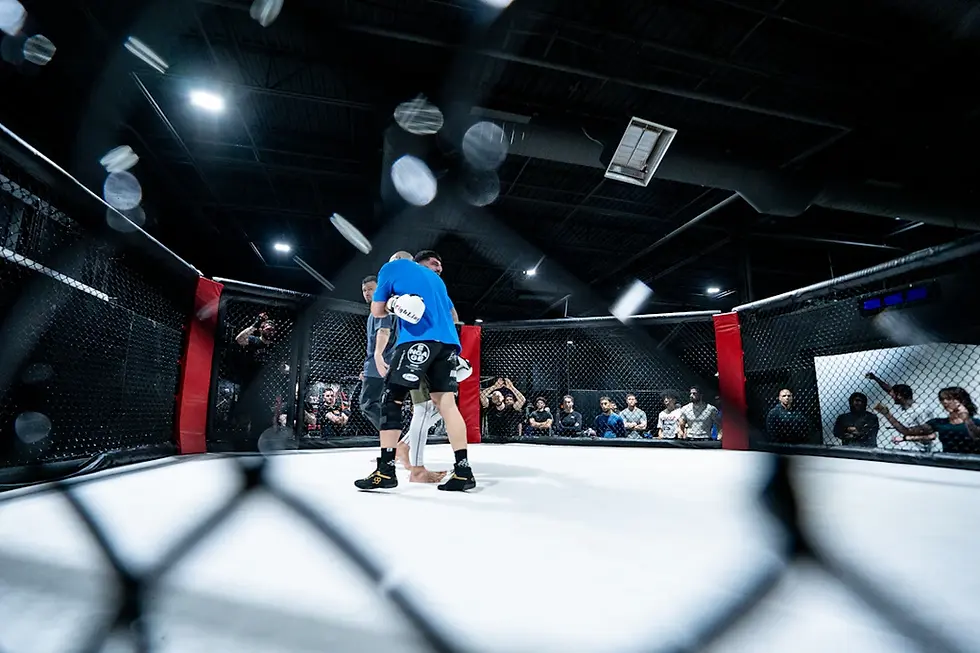
Ensuring that the fighting area is safe and secure is paramount. This encompasses proper padding, safety nets, and clear visibility for referees and judges to monitor fights without obstruction.
Emergency Medical Services
Every organized MMA event should have immediate access to medical personnel trained in trauma care. Rapid response to injuries can mean the difference between minor and serious consequences.
The Future of MMA: Safety Advancements
As the sport evolves, so do the safety protocols and regulations. Advancements in technology and a better understanding of fighter well-being will likely lead to improved safety standards in the future. As seen in other sports, data analytics and injury tracking can provide essential insights into the effectiveness of safety measures in MMA.
Furthermore, ongoing education for fighters, coaches, and officials about safety regulations can enhance the overall culture of safety within the sport, promoting a healthier competitive environment.
Fighting the Good Fight: Emphasizing Safety in MMA
With the excitement of MMA comes the responsibility of ensuring fighter safety. Understanding the regulations, safety measures, and the importance of mental and physical health can contribute to a more profound appreciation of the sport. As fans and participants, we must advocate for continuous improvements in safety protocols to ensure MMA remains a thrilling yet safe environment for all.
Furthermore, for those considering training or participating in MMA, it's essential to have the right gear to maximize safety. Investing in quality training equipment like sparring gloves, available here, can make a significant difference in the training experience.
Ultimately, while the thrill of the cage draws many to MMA, it is our collective commitment to fighter safety that will shape the future of the sport. Stay informed, advocate for safety, and enjoy the exhilarating world of MMA!
Explore these products to enhance your MMA experience. Performance Mouthguard and Sparring Training Gloves.
Related Products
Performance Mouthguard - £20.00 - A high-impact, boil-and-bite mouthguard offering superior protection and a comfortable, secure fit for intense training sessions. Its streamlined des...
Sparring Training Gloves - £60.00 - Durable synthetic leather training gloves with reinforced stitching and a padded knuckle area, designed for sparring and heavy bag work. Features a s...
Octagon Arena Print - £90.00 - A high-quality art print on durable canvas depicting an empty MMA octagon under dramatic spotlighting, evoking the intensity and anticipation of a fi...
FAQs
What are the main regulations in MMA?
The main regulations in MMA include guidelines on weight classes, permissible strikes, and the oversight of referees to ensure fair play and fighter safety.
Why are weight classes important in MMA?
Weight classes are important in MMA to ensure that fighters compete against opponents of similar size and weight, which reduces the risk of serious injury.
What safety measures are in place for MMA fighters?
Safety measures for MMA fighters include comprehensive medical examinations, the use of protective gear, and protocols for injury management and recovery.
How do referees contribute to fighter safety in MMA?
Referees contribute to fighter safety by monitoring the fight and stopping it when a competitor can no longer defend themselves adequately, ensuring quick responses to potentially dangerous situations.
What role does mental health play in MMA?
Mental health is crucial for fighters as it affects their overall well-being, performance, and ability to manage stress and focus during competitions.


Comments