Overview
The fight is the smallest part of the job. This is what the rest of it looks like: the training blocks, the recovery, the eating and the weight management, the media obligations, the money, and the mental work of doing it all again next week — a realistic account of how a professional mixed martial artist actually spends their days.
Contents
Waking Up: The Early Bird Gets the Knockout
Breakfast of Champions
Mid-Morning Training: Technical Skills and Strategies
Lunch Break: Regaining Energy and Rest
Afternoon Training: Cardio and Conditioning
Evening Technical Drills and Sparring
Reflections and Recovery: Post-Training Routine
Dinner: Fuel for Tomorrow's Battles
Sleep: The Ultimate Recovery Tool
The Road Less Travelled: The Motivation Behind MMA Fighters
FAQs
Waking Up: The Early Bird Gets the Knockout
The life of an MMA fighter begins before dawn breaks. Most fighters start their day extremely early, often around 5:30 AM. This early start is crucial for them to fit in all they need to accomplish in their training schedules. A typical morning might begin with a good hydration routine, followed by a light meal, often consisting of protein-rich foods to fuel their body for intense training.
As soon as they are fueled and ready, many MMA fighters engage in their first workout of the day. Morning training typically includes:
Cardio exercises like running or swimming
Strength training sessions
Wrestling drills to improve grappling skills
This morning routine not only helps fighters build their stamina but also sets a disciplined tone for the rest of the day. It is no surprise that conditioning plays a pivotal part in preparing for any upcoming MMA events, and true champions know that this grind is non-negotiable.
Breakfast of Champions
After the strenuous morning session, fighters need to recharge. A healthy breakfast is essential for an MMA athlete. Most opt for a balanced combination of:
Whole grains (to sustain energy)
Lean proteins (for muscle recovery)
Fruits and vegetables (packed with vitamins)
This meal is crucial for not only recovery but also to prepare for the fighting challenges ahead. Keeping updated with MMA news can also be part of this relaxing breakfast time, whether fighters check their phones or read newspapers, staying informed is key. It’s essential for them to understand the dynamics of opponents, team strategies, and general trends in the UFC sphere.
Mid-Morning Training: Technical Skills and Strategies
By late morning, fighters head back to the gym for a more focused session of specific technical training. This period may include:
Striking techniques (Muay Thai, Boxing)
Submission grappling (Brazilian Jiu-Jitsu)
Fight simulations (sparring with partners)
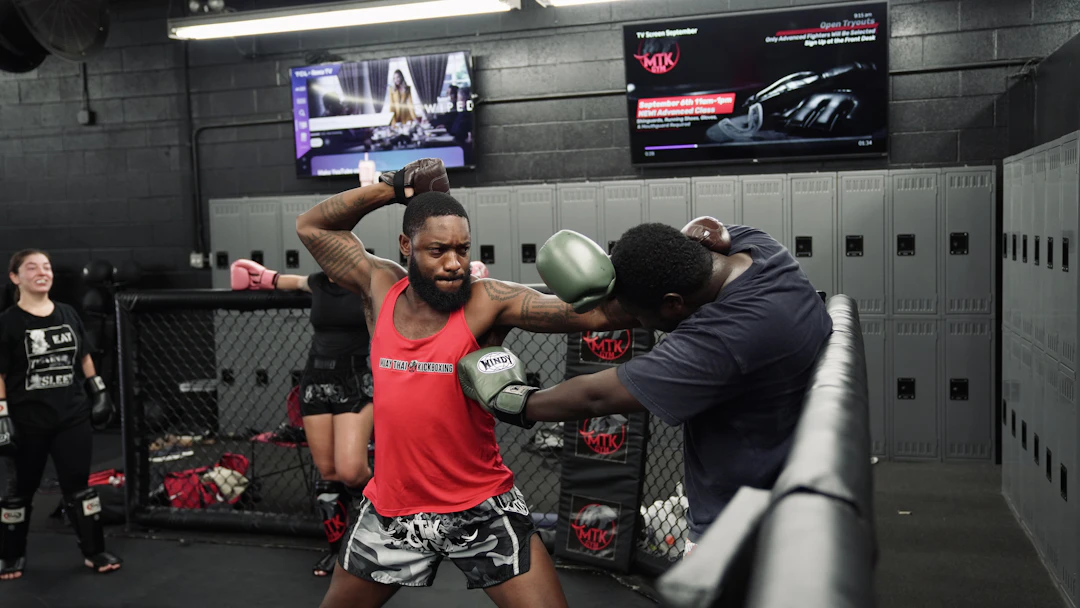
Trainers play a crucial role during this segment, often offering valuable feedback, while fighters work on perfecting their moves and strategies. These simulated fights not only enhance skills but are also vital for building confidence. A fighter needs to be prepared for any opponent to excel during MMA events.
Lunch Break: Regaining Energy and Rest
Finding time to rest and recover is essential in a fighter's routine. After an intense morning training session, they typically indulge in a nutritious lunch. High-protein meals combined with complex carbohydrates are favored, such as grilled chicken with quinoa and plenty of veggies, followed by hydration.
This meal not only helps replenish lost energy but also offers time for fighters to unwind—often discussing fighter news, strategies for upcoming fights, or engaging in light banter with teammates assists in building camaraderie, a crucial aspect in this sport.
Afternoon Training: Cardio and Conditioning
As the afternoon approaches, it’s time for a different focus. Many fighters incorporate cardio-centric training to maintain their stamina and cardiovascular health. Activities can include:
High-Intensity Interval Training (HIIT)
Circuit training with weights
Long-distance runs to build endurance
This stage in their day often turns into a mental challenge as well. Pushing past physical fatigue tests their determination, a trait that every successful champion possesses. Staying consistently in shape and enhancing durability are both crucial factors that contribute to a fighter’s performance inside the octagon. Paying heed to MMA events allows fighters to extract strategic insights that they can apply to their training regimen.
Evening Technical Drills and Sparring
As the sun sets, the energy in the gym often shifts. Evening sessions typically resume with a high-intensity focus on technical drills. This could include:
Precision striking drills with bags
Pair work targeting defense and counters
More rigorous sparring sessions with partners
During these sessions, fighters practice their skills in match-like conditions, preparing them for what they may encounter during actual fights. A fighter’s objective is to make sure that they can execute everything learned in training when facing off against their opponents. Each completed round builds experience and adrenaline—key contributors leading up to the big day.
Reflections and Recovery: Post-Training Routine
After a long day of rigorous training, it is essential for fighters to engage in a recovery routine. Many consider this a sacred time for their bodies and brains. Post-workout routines often include:
Stretching sessions to improve flexibility
Cold showers or ice baths to reduce soreness
Nutrition-focused recovery shakes to refuel the body
These recovery periods are equally as crucial as training; they help fighters stay injury-free and ready for continued work the following day. The fight game can take a toll—mentally and physically—thus prioritizing recovery can impact a fighter's long-term success in the UFC.
Dinner: Fuel for Tomorrow's Battles
Evenings often mean a well-balanced dinner consisting of lean protein, whole grains, healthy fats, and veggies—a repeat of their day's nutritional goals. The importance of diet cannot be underestimated when it comes to performance, weight management, and overall well-being.
Post-dinner is another great time for fighters to engage with their community, either by responding to fans on social media or updating their followers with the latest MMA news. This engagement boosts their visibility and allows fans to connect with them on a more personal level.
Sleep: The Ultimate Recovery Tool
As night falls, it’s essential for fighters to prioritize sleep. A solid 7-9 hours of quality sleep is necessary to recover from a hectic day filled with intense training and preparation for fights. Good sleep hygiene includes:
A dark and quiet sleep environment
Limiting screen time before bed
Following a consistent sleep schedule
It’s during sleep that the body repairs itself, regenerates muscles, and solidifies learning. Fighters aim for quality sleep to ensure they wake up ready to tackle another demanding day.
The Road Less Travelled: The Motivation Behind MMA Fighters
Daily life may seem grueling, but there’s a deep-rooted passion that drives these athletes. The journey of becoming an elite MMA fighter isn’t just about physical preparation; it’s about determination, mental toughness, and relentless ambition. Fighters are inspired by their dreams of competing in the UFC, achieving titles, and etching their names in the annals of MMA history.
Events in the world of mixed martial arts are teeming with excitement, fostering a vibrant community for both fighters and fans alike. Staying motivated through hardships is an emotion every fighter experiences, and that very motivation is what transforms their dreams into reality. Each grueling day in the life of an MMA fighter contributes to a glorious journey, unfolding their story one round at a time.
So next time you watch a UFC fight or catch the latest MMA news, remember the incredible effort that goes into just one day in the life of an MMA fighter. It truly is a testament to the strength of the human spirit, driven by the desire to triumph in a sport that requires both grit and grace.
FAQs
What time do MMA fighters typically start their day?
MMA fighters usually start their day around 5:30 AM.
What does a typical morning workout for an MMA fighter include?
A typical morning workout may include cardio exercises, strength training sessions, and wrestling drills.
What type of meals do MMA fighters eat for breakfast?
MMA fighters typically eat a healthy breakfast that includes whole grains, lean proteins, and fruits and vegetables.
How important is recovery for MMA fighters?
Recovery is extremely important for MMA fighters, as it helps them stay injury-free and ready for training.
What role does sleep play in an MMA fighter's routine?
Sleep is crucial for recovery, as it allows the body to repair itself and regenerate muscles after intense training.
How do MMA fighters maintain a balance between training and recovery?
MMA fighters maintain a balance between training and recovery by taking time to rest and recover after workouts, which may include light meals and short naps.
What mental preparation techniques do MMA fighters use?
MMA fighters use mental preparation techniques such as visualization exercises, meditation or yoga, and building a strong support system with friends, family, and coaches.