Overview
MMA has evolved into a dynamic sport integrating various martial arts styles, primarily Brazilian Jiu-Jitsu and Muay Thai. This article explores the significance of these styles, the crossover of techniques among fighters, and the dedication required in an MMA fighter's lifestyle. As fighters continue to blend skills and adapt their training, fans gain a deeper appreciation for the sport's complexity and the exciting matchups it produces.
Contents
The Rise of Mixed Martial Arts
Understanding Brazilian Jiu-Jitsu
- The Techniques of BJJ
The Impact of Muay Thai
- Key Techniques in Muay Thai
The Crossover: Combining Styles
Analyzing Noteworthy MMA Fighters
Incorporating Other Martial Arts
The Fighter's Journey: A Lifestyle Built on Discipline
Future Trends in MMA Fight Styles
The Excitement Awaits!
Related Products
FAQs
- What is the primary focus of Brazilian Jiu-Jitsu (BJJ)?
- How does Muay Thai contribute to MMA fighting styles?
- What are some key techniques used in Muay Thai?
- Why is cross-training important for MMA fighters?
- What lifestyle choices do MMA fighters prioritize for peak performance?
MMA, or Mixed Martial Arts, has evolved into one of the most thrilling combat sports in the world. As fans, enthusiasts, and aspiring fighters tune in to MMA news, one fascinating aspect they often examine is the diverse fight styles that fighters employ. This article takes you on a journey through the primary fighting styles in MMA, from Brazilian Jiu-Jitsu (BJJ) to Muay Thai, underscoring their importance and contribution to the sport.
The Rise of Mixed Martial Arts
Historically, martial arts have been practiced for centuries, with styles originating from various cultures and regions. However, the fusion of these styles into a comprehensive combat sport took shape in the early 1990s with the UFC. Understanding the evolution of these fight styles can offer crucial insights into the strategies employed by fighters today.
Understanding Brazilian Jiu-Jitsu
Brazilian Jiu-Jitsu is a ground-based martial art that focuses on submission grappling. Originally derived from Japanese Jujutsu, BJJ was developed in Brazil in the early 20th century. The core philosophy of BJJ is that a smaller, weaker person can successfully defend against a larger opponent using leverage and technique.
The Techniques of BJJ
Submissions: Techniques aimed at forcing an opponent to submit, such as arm locks and chokes.
Joint Locks: Manipulating joints to achieve submission.
Positional Control: Gaining control over an opponent on the ground, using positions such as guard, mount, and side control.
Escape Techniques: Allowing a fighter to escape from bad positions or potential submissions.
Prominent BJJ practitioners have profoundly influenced MMA, with legends such as Royce Gracie showcasing the effectiveness of the style in the octagon. Fighters often train extensively in BJJ to develop their grappling skills and to neutralize stand-up fighters.
The Impact of Muay Thai
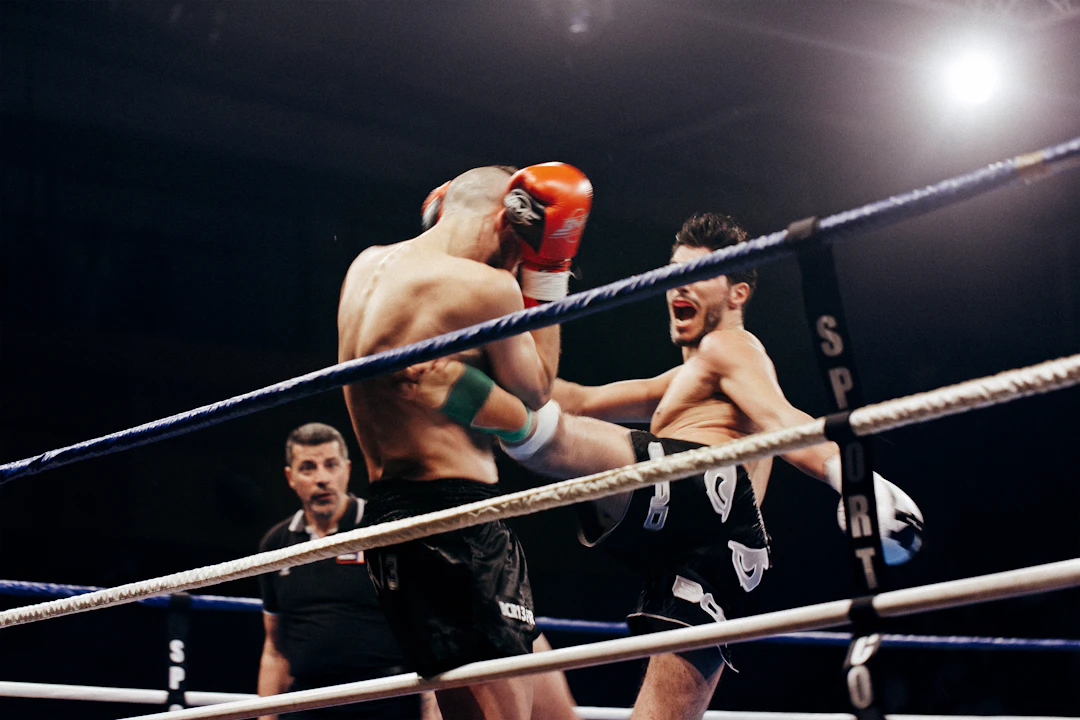
Muay Thai, known as the "Art of Eight Limbs," is a striking martial art from Thailand that utilizes punches, kicks, elbows, and knee strikes. The combination of techniques makes it a highly versatile and effective striking discipline in MMA.
Key Techniques in Muay Thai
Striking: Utilizing all limbs for powerful strikes, often targeting the head, body, and legs.
Clinch Work: A grappling technique that involves controlling an opponent's posture and delivering knee strikes.
Footwork: Effective movement to avoid strikes and create angles for counter-attacks.
Defensive Skills: Learning how to evade, block, and counterstrikes.
Muay Thai champions have integrated their expertise into MMA, demonstrating powerful striking that can change the fight's outcome quickly. The effectiveness of Muay Thai in MMA has spurred many fighters to cross-train in both aspects, cultivating a balanced skill set.
The Crossover: Combining Styles
As the sport has evolved, so has the approach to training and fighting styles. Many successful MMA fighters now adopt a hybrid model that allows them to stay competitive across different fighting styles. The benefits of cross-training can be seen in fighters who combine techniques from BJJ, Muay Thai, wrestling, boxing, and more.
For instance, a fighter skilled in wrestling may effectively control the pace of a match and take their opponent down, providing opportunities to implement submission techniques from BJJ or striking from Muay Thai. Likewise, a proficient striker can utilize footwork and movement learned from Muay Thai to evade takedowns while rewarding themselves with powerful strikes.
Analyzing Noteworthy MMA Fighters
To further understand the various styles at play in MMA, let’s take a closer look at a few renowned fighters who exemplify these techniques:
Georges St-Pierre: An exemplar of cross-style proficiency, blending his wrestling, Muay Thai, and BJJ techniques.
Conor McGregor: An iconic striker from the Irish boxing scene, who successfully transitioned his solid striking skills into MMA, particularly Muay Thai techniques.
Demian Maia: A Brazilian Jiu-Jitsu black belt who successfully utilized grappling to combat his opponents and secure submissions.
Amanda Nunes: Displaying formidable striking and grappling blend, she exhibits powerful techniques from both striking and submission arts.
The mix of fight styles can create unexpected and thrilling matchups, evidenced throughout renowned MMA events. Recent fighter news highlights how many competitors keep evolving their styles to maintain their competitive edge.
Incorporating Other Martial Arts
While BJJ and Muay Thai serve as the cornerstone styles for many fighters today, several other martial arts also contribute to the MMA landscape, including:
Boxing: Provides essential striking skills and head movement.
Kickboxing: Improves the overall striking game and transitions between punches and kicks.
Wrestling: Ensures fighters possess takedown defense and the ability to control opponents.
Karate: Offers unique striking angles and unpredictable movement.
As fans anticipate upcoming MMA events, understanding various styles fosters excitement about potential matchups. Fighters continue to adapt their training regimes to encompass these martial art elements, leading to lively competitions within the octagon.
The Fighter's Journey: A Lifestyle Built on Discipline
Life as an MMA fighter demands immense commitment, discipline, and a well-structured training regimen. From intense workouts to careful dietary choices, fighters uphold a lifestyle anchored in preparation. The dedication to honing their craft is essential for peak performance in competitions.
Fans often look for insights into this lifestyle. For instance, one might read about a day in the life of an MMA fighter to grasp how they balance rigorous training with recovery. Taking breaks and cross-training across different martial arts helps fighters mitigate the risk of injuries and achieve better overall fitness.
Investing in effective training gear can also bolster performance. To embody the spirit of MMA, consider wearing the Victory Pullover Hoodie, offering both comfort and warmth for those training sessions. For those who appreciate the art of fighting visually, showcasing a Fighter Silhouette Metal Art piece at home can serve as a great reminder of the sport's dynamic essence: Fighter Silhouette Metal Art.
Future Trends in MMA Fight Styles
As we progress further into the 21st century, the trend of blending multiple styles continues to grow. MMA's positioning as one of the premier combat sports allows for dialogue among different martial arts disciplines, leading to innovative training techniques and strategic approaches.
Additionally, the ongoing evolution of technology—such as performance analytics—influences how fighters train. By leveraging technology for performance metrics, athletes can analyze data to optimize their fight strategies and training schedules. To learn more about integrating technology in training, check out this insightful piece on analyzing fighter performance metrics.
The Excitement Awaits!
Mixed Martial Arts offers infinite possibilities, with each fighter bringing their unique approach to the octagon. By understanding various techniques—from Brazilian Jiu-Jitsu to Muay Thai and beyond—fans gain a deeper appreciation for the sport's complexity and the warriors who dedicate their lives to it. Keep an eye on current fighter news to witness the evolution of styles as new talents emerge, ready to carve a niche in the rich history of MMA.
Explore these products to enhance your MMA experience. Fighter Silhouette Metal Art and Octagon Arena Print.
Related Products
Fighter Silhouette Metal Art - £110.00 - A laser-cut metal wall art piece featuring the silhouette of a fighter in a dynamic pose, finished with a matte black powder coating for a sleek, mod...
Octagon Arena Print - £90.00 - A high-quality art print on durable canvas depicting an empty MMA octagon under dramatic spotlighting, evoking the intensity and anticipation of a fi...
Victory Pullover Hoodie - £75.00 - A soft, mid-weight fleece hoodie designed for warmth and comfort, featuring a minimalist embroidered logo on the chest and a subtle graphic print on...
FAQs
What is the primary focus of Brazilian Jiu-Jitsu (BJJ)?
Brazilian Jiu-Jitsu primarily focuses on submission grappling, allowing smaller or weaker individuals to defend against larger opponents using leverage and technique.
How does Muay Thai contribute to MMA fighting styles?
Muay Thai, known as the 'Art of Eight Limbs,' enhances MMA fighters' striking abilities by utilizing punches, kicks, elbows, and knee strikes, making it a versatile striking discipline.
What are some key techniques used in Muay Thai?
Key techniques in Muay Thai include striking with all limbs, clinch work for knee strikes, effective footwork for evasion, and various defensive skills.
Why is cross-training important for MMA fighters?
Cross-training is important for MMA fighters as it allows them to blend different fight styles, enhancing their versatility and competitiveness in the octagon.
What lifestyle choices do MMA fighters prioritize for peak performance?
MMA fighters prioritize intense workouts, careful dietary choices, recovery practices, and effective training gear to maintain discipline and achieve peak performance.