Overview
Referees play a crucial and often overlooked role in Mixed Martial Arts (MMA), ensuring fighter safety, maintaining fairness, and managing matches. Their responsibilities include making split-second decisions, enforcing rules, and utilizing effective communication. Extensive training and experience are essential for referees, who face challenges such as handling fighter emotions and staying physically fit. With the integration of technology, referees are under increased scrutiny but are vital in promoting safety and legitimacy in the sport. As MMA gains popularity, the respect for referees continues to grow, highlighting their impact on the integrity of the fights.
Contents
The Referee's Primary Responsibilities
The Importance of Training and Certification
The Challenges Referees Face in the Octagon
Referee Signals and Communication
The Impact of Technology
Role of Referees in Promoting MMA Safety
The Growing Respect for Referees
The Final Bell: Celebrating Referees
Related Products
FAQs
- What are the primary responsibilities of a referee in MMA matches?
- How do referees ensure fighter safety during a match?
- What kind of training do referees undergo for MMA officiating?
- What are the challenges faced by referees in the octagon?
- How is technology impacting the role of referees in MMA?
Mixed Martial Arts (MMA) continues to capture the hearts and minds of sports enthusiasts around the globe. As the UFC and other MMA organizations flourish, fans are increasingly engaged with the sport, absorbing everything from fighter news to the latest mma events. However, amidst the thunderous cheers and raw athleticism, there exists an often-overlooked element: the referees. In this article, we'll delve deep into the vital role referees play in MMA, their responsibilities, challenges they face, and how they ensure a fair and safe environment for athletes.
The Referee's Primary Responsibilities
In the octagon, referees are tasked with several crucial duties that shape the outcome of a match. These responsibilities include:
Ensuring Fighter Safety: The foremost responsibility of a referee is to protect the fighters. They must be vigilant in identifying when a fighter is in danger of serious injury, and promptly stop the match when necessary.
Maintaining Fairness: Referees enforce the rules and regulations of MMA, ensuring that both fighters compete on a level playing field. They call fouls and violations to maintain order.
Making Judgment Calls: In the heat of the moment, referees must make quick decisions that can drastically alter the course of a fight, from counting knockdowns to stopping the bout.
Managing the Match: Referees guide the fight's pace, ensuring that it flows smoothly while adhering to the established regulations.
The Importance of Training and Certification
Referees do not just show up on fight night; they undergo extensive training and certification to qualify for their roles. Organizations such as the UFC provide referees with practical training that involves rules knowledge, fight sequences, and injury assessment. Referees must often attend seminars and workshops to familiarize themselves with the evolving rules of MMA.
Furthermore, referees typically participate in amateur and semi-professional bouts before stepping into high-profile competitions. As they gain experience, they learn to make ethical decisions under pressure while ensuring fighters’ safety remains the priority. A well-trained referee can make all the difference during a critical moment in a fight.
The Challenges Referees Face in the Octagon
Being an MMA referee is not for the faint-hearted. They encounter numerous challenges that require both physical and mental fortitude:
Split-Second Decisions: A referee must make immediate judgments, which can be tough considering the chaotic environment of the fight. A wrong decision can lead to severe consequences.
Handling Fighter Emotions: Fighters are passionate individuals. Referees must manage their emotions as well as those of the corner teams, especially following controversial calls.
Fitness Level: Referees must maintain an excellent fitness level to keep up with the pace of the fighters. Being out of shape might hinder their ability to assess situations accurately.
Referee Signals and Communication
Effective communication is key to ensuring that all parties are on the same page during an MMA match. Referees use a variety of signals to convey their judgments and intentions:
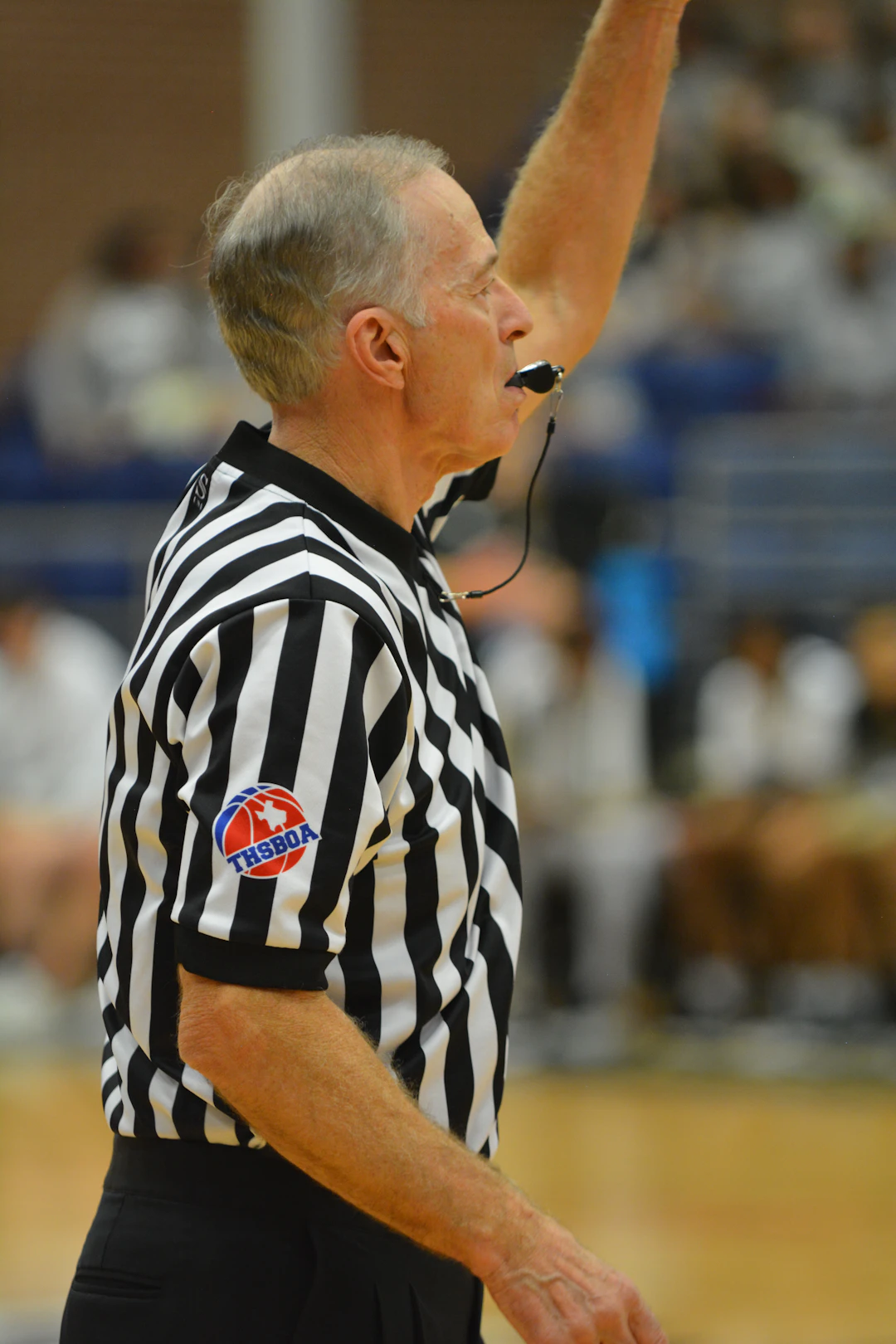
Stopping the Fight: A raised arm indicates the fight is to be immediately halted, often in response to perceived danger.
Knockdown Calls: A referee might use a specific gestural protocol known to fighters and corner teams to indicate a knockdown.
Round Changes: Shifts between rounds are often indicated with clear signals and visual confirmation for the fighters and judges.
This form of non-verbal communication becomes especially valuable in noisy environments, where verbal instructions might go unheard. The clarity of signaling also fulfills the referees’ role in ensuring that the fighters remain well-informed throughout the bout.
The Impact of Technology
Technology has begun to intermingle with traditional officiating roles in various sports, and MMA is no exception. With the advancement of camera angles and real-time analytics, referees now have additional resources to consult during fights. Some organizations have experimented with instant replay systems and other technological aids that can provide referees with crucial additional information.
While the integration of technology can assist referees in making better calls, it also adds pressure, as every movement is scrutinized not only by the audience but also by millions watching at home looking for the latest mma news.
Role of Referees in Promoting MMA Safety
In addition to enforcing rules, referees play a vital role in promoting safety in MMA. Their ability to detect any signs of injury or distress is crucial for protecting fighters. In this regard, awareness of the fighters’ wellbeing is always a priority. They are trained to recognize when a fighter is knocked out or unable to continue, and they act swiftly to stop any further damage.
Furthermore, the referees must continuously stay updated on safety regulations and standards to ensure compliance. The ultimate goal is to balance the fierce competition inherent in the sport with the necessity of ensuring that fighters come out of the ring unharmed.
The Growing Respect for Referees
As MMA continues to increase in popularity, so does the recognition of the essential role referees play during matches. While fans might typically fixate on the fighters’ performances, the importance of impartial officiating cannot be understated. High-profile events often lead to intense scrutiny of referees, and whether the judgment is deemed fair or not influences viewers' perceptions of the match’s legitimacy.
For a detailed examination of how other figures in MMA, such as coaches, contribute to fighters' careers, check out our article on the role of coaches and cornermen.
The Final Bell: Celebrating Referees
As we’ve explored, referees are the unsung heroes in the electrifying world of MMA. From ensuring fighter safety to enforcing fairness and maintaining the rhythm of the bouts, their influence extends well beyond the confines of the octagon. A great referee can enhance the quality of a fight, ensuring that the best fighter wins while safeguarding all athletes’ careers and lives. While fans wear merchandise and celebrate their favorite fighters, let's not forget to salute the individuals who stand in the ring, governing another layer of the fight with commitment and integrity.
Whether you're an ardent supporter of the UFC or just dipping your toes into the world of martial arts, you can encapsulate the spirit of the sport with our Champion Belt Replica or embrace MMA culture with our comfortable Victory Pullover Hoodie. These products can inspire any fan while honoring this incredible sport and its dynamic personas.
Check out these products to enhance your MMA experience. Octagon Arena Print and Victory Pullover Hoodie.
Related Products
Octagon Arena Print - £90.00 - A high-quality art print on durable canvas depicting an empty MMA octagon under dramatic spotlighting, evoking the intensity and anticipation of a fi...
Victory Pullover Hoodie - £75.00 - A soft, mid-weight fleece hoodie designed for warmth and comfort, featuring a minimalist embroidered logo on the chest and a subtle graphic print on...
Champion Belt Replica - £150.00 - A decorative replica championship belt crafted from faux leather and polished metal plates, featuring intricate embossing and adjustable side straps...
FAQs
What are the primary responsibilities of a referee in MMA matches?
Referees in MMA are responsible for ensuring fighter safety, maintaining fairness, making judgment calls, and managing the match.
How do referees ensure fighter safety during a match?
Referees protect fighters by being vigilant in identifying when they are in danger of serious injury and promptly stopping the match when necessary.
What kind of training do referees undergo for MMA officiating?
Referees undergo extensive training and certification, which includes practical training on rules, fight sequences, and injury assessment. They also participate in seminars and gain experience in amateur bouts.
What are the challenges faced by referees in the octagon?
Referees face challenges such as making split-second decisions, managing the emotions of fighters and corner teams, and maintaining their fitness level to keep up with the fighters.
How is technology impacting the role of referees in MMA?
Technology provides referees with additional resources to consult during fights, such as instant replay systems and real-time analytics, which can help them make better calls.