Overview
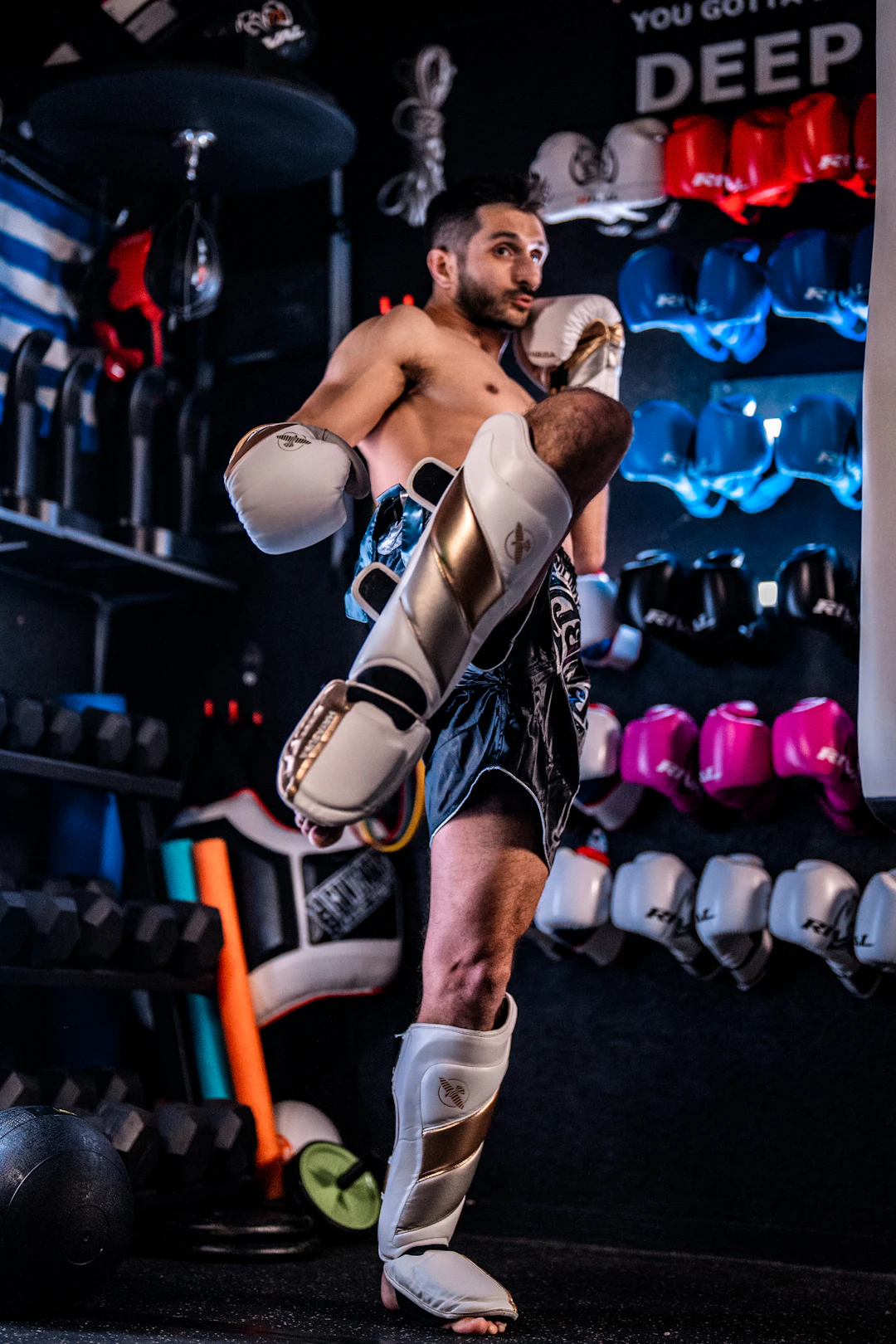
Fighters in UFC and MMA undergo meticulous preparation involving game planning, physical training, sparring, mental readiness, nutrition, and support systems to maximize their chances of victory. Understanding these layers of preparation enhances appreciation for the sport and its athletes.
Contents
The Importance of Game Planning
Physical Training Regimen
The Role of Sparring
Mental Preparation
Studying the Opponent’s Fight Style
The Weight cut and Nutrition
Creating a Support System
Post-Fight Reflection and Analysis
Following the Fighters: Staying Up-To-Date with MMA News and Events
Unveiling the Mystery of Fight Readiness
FAQs
- What is the importance of game planning in UFC fights?
- How do fighters physically prepare for an MMA match?
- What role does sparring play in a fighter's preparation?
- How do fighters mentally prepare before a fight?
- What is the significance of post-fight reflection and analysis?
The world of UFC and MMA is as thrilling as it is strategic. Fighters don't just step into the Octagon; they prepare meticulously for each opponent they face. Understanding how fighters prepare tactically is essential to appreciate the skill and mental fortitude required in MMA. In this blog post, we’ll dive into the various layers of preparation that mixed martial artists utilize to give themselves the best chance of victory. Whether you’re following fighter news or staying updated with mma news and mma events, this behind-the-scenes insight will bring you even closer to the sport.
The Importance of Game Planning
One of the first steps in a fighter's preparation process is developing a comprehensive game plan. This involves analyzing an opponent's strengths and weaknesses, styles, and tendencies. Coaches and fighters often spend numerous hours reviewing footage of past matches, carefully looking for openings and patterns in their opponents' techniques. Here are some essential components of effective game planning:
Video Analysis: Watching previous fights helps fighters understand their opponent’s strategies.
Strengths and Weaknesses: Fighters focus on exploiting an opponent's vulnerabilities while maximizing their own strengths.
Tactical Adaptability: Preparing for potential adjustments an opponent may make during the fight is crucial.
Physical Training Regimen
Physical conditioning is at the heart of any MMA fighter’s preparation. To compete at the highest level, fighters must engage in a dedicated training routine designed to enhance their endurance, strength, and overall athleticism. Conditioning often encompasses:
Cardiovascular Training: Running, cycling, and interval training improve stamina, which is vital during prolonged bouts.
Strength Training: Weightlifting and resistance drills raise their power, enabling them to deliver more forceful strikes.
Technical Skill Development: Fighters constantly practice techniques specific to their fighting style while incorporating drills to improve grappling and striking.
The Role of Sparring
Sparring sessions are critical for a fighter’s preparation. These practice fights simulate real match conditions, allowing fighters to hone their skills against different styles of opponents. A few notable benefits of regular sparring include:
Realistic Application: Fighters can execute their game plan in a controlled environment, giving them confidence as they prepare for the real deal.
Adjustment to Pressure: Working in a sparring setting helps combat athletes learn to control their nerves when facing an opponent under pressure.
Feedback Loop: Sparring partners provide immediate feedback, allowing fighters to make necessary adjustments quickly.
Mental Preparation
MMA is as much a mental game as it is physical. Fighters need to cultivate the right mindset before stepping into the Octagon. Various techniques can help achieve mental readiness:
Visualization Techniques: Many fighters employ visualization strategies, imagining themselves successfully executing their game plan.
Mindfulness and Meditation: This practice helps in maintaining focus and reducing anxiety before a fight.
Working with Sports Psychologists: Expert advice can help fighters deal with pressure, enhance confidence, and develop a winning mindset.
Studying the Opponent’s Fight Style
A winning game plan revolves around understanding the opponent’s style. Fighters categorize opponents into different styles, such as grapplers, strikers, or mixed martial artists, and analyze their tendencies in-depth. Some common fighter styles include:
Wrestlers: Focus on grappling, usually trying to take the fight to the ground. Fighters must be trained in takedown defense and submission escapes.
Strikers: Known for their stand-up fighting techniques, these fighters generally aim for knockouts. Counter-punching and effective striking defense become the key areas of focus for opponents.
Submission Experts: Specialists in jiu-jitsu and other grappling arts, they're often adept at winning fights via submission holds. Fighters need to be vigilant when it comes to their ground game.
The Weight cut and Nutrition
Before an mma event, fighters frequently undergo a weight cut to qualify for their weight class. This process involves strict diet and hydration management and can influence their performance in the Octagon. Nutritional aspects include:
Caloric Management: Fighters must monitor calorie intake to ensure they meet their weight requirements.
Hydration Strategies: Proper hydration leading into a fight can affect physical performance drastically. Fighters often strategize water-loading and depletion methods before weighing in.
Proper Nutrition: A balanced diet of macronutrients is key to keeping energy levels high and ensuring overall health during rigorous training.
Creating a Support System
Behind every successful fighter is a dedicated support system. This team often consists of coaches, training partners, nutritionists, and sports psychologists who each play a vital role in their fighter’s preparation. A reliable support network can help fighters stay focused, motivated, and prepared for every challenge. Core components include:
Coaching Staff: Coaches not only develop training plans but also provide strategic guidance during fights.
Training Partners: Regular training partners ensure that fighters can simulate different styles and scenarios in practice.
Professional Advice: Nutritionists and psychologists can help customize plans for fighters, maximizing their potential.
Post-Fight Reflection and Analysis
Preparation doesn’t end after the fight is finished. A critical component of development for any fighter is the post-fight analysis. After each match, fighters often review their performance to identify areas for improvement. A few methods for effective post-fight evaluation include:
Video Breakdown: Reviewing fight footage allows fighters to see what strategies worked and where adjustments are needed.
Feedback from Coaches: Gaining insights from coaches' perspectives helps clarify performance issues.
Self-Reflection: Fighters are encouraged to assess their mental and emotional states, acknowledging how it might have impacted their performance.
Following the Fighters: Staying Up-To-Date with MMA News and Events
For avid fans and new enthusiasts alike, tracking mma news and ongoing mma events is essential. The sport is ever-evolving, and staying informed helps you appreciate the intricacies behind each fighter's performance. There are several ways to stay connected:
Online News Portals: Websites that specialize in fighter news provide detailed analysis and updates.
Social Media: Following fighters on platforms like Twitter and Instagram can give fans a behind-the-scenes look at their training and preparations.
Community Engagement: Join forums or groups dedicated to discussing recent fights and fighter stats to deepen your understanding of the sport.
Unveiling the Mystery of Fight Readiness
Understanding how fighters prepare for their opponents reveals an intricate tapestry of skill, strategy, and dedication that often goes unnoticed by casual fans. The depth of preparation that fighters undergo—from tactical analyses and rigorous physical training to mental conditioning—fosters an environment rich in competition. Each component of their preparation is crucial to achieving success in the highly competitive world of the UFC and MMA.
By appreciating these strategies, fans can enjoy fighting events on a deeper level and celebrate the hard work that goes into every match. So, whether you're following along with mma news, keeping tabs on fighter news, or eagerly awaiting upcoming mma events, remember the intricate layers of preparation that each fighter embraces. This understanding not only enhances the enjoyment of the sport but also amplifies respect for the athletes pushing the boundaries of physical and mental performance!
FAQs
What is the importance of game planning in UFC fights?
Game planning involves analyzing an opponent's strengths and weaknesses, and it's essential for maximizing a fighter's chances of victory.
How do fighters physically prepare for an MMA match?
Fighters engage in a dedicated physical training regimen that includes cardiovascular training, strength training, and technical skill development.
What role does sparring play in a fighter's preparation?
Sparring simulates real match conditions, helping fighters to practice their game plans, cope with pressure, and receive immediate feedback from their partners.
How do fighters mentally prepare before a fight?
Fighters use techniques such as visualization, mindfulness, and working with sports psychologists to enhance focus and reduce anxiety.
What is the significance of post-fight reflection and analysis?
Post-fight analysis helps fighters review their performance, identify areas for improvement, and refine their strategies for future matches.