Overview
Trash talk in UFC and MMA has evolved into a strategic tool for fighters to enhance their marketability and engage fans. While figures like Conor McGregor exemplify its marketing potential, trash talk also serves psychological purposes, creating mental pressure and shaping narratives. Nonetheless, some fighters prefer silence, allowing their skills to speak for themselves. Social media amplifies these interactions, making trash talk a vital aspect of modern MMA culture, with the balance between respect and provocation crucial for maintaining a positive image.
Contents
The Rise of Trash Talk in MMA
Marketing vs. Strategy
- Marketing: Building a Brand
- Strategy: Psychological Warfare
Why Some Fighters Choose Silence
The Role of Media and Promotion
Fighter Rivalries and Epic Matchups
The Fine Line: Respect vs. Provocation
MMA News and the Power of Social Media
Adding Your Personal Touch
The Lasting Impact of Trash Talk
Related Products
FAQs
- What is the significance of trash talk in MMA?
- How has social media influenced trash talk in MMA?
- Is trash talk solely for marketing purposes, or does it serve a strategic role as well?
- Why do some fighters choose to remain silent before a fight?
- What should fighters consider when engaging in trash talk?
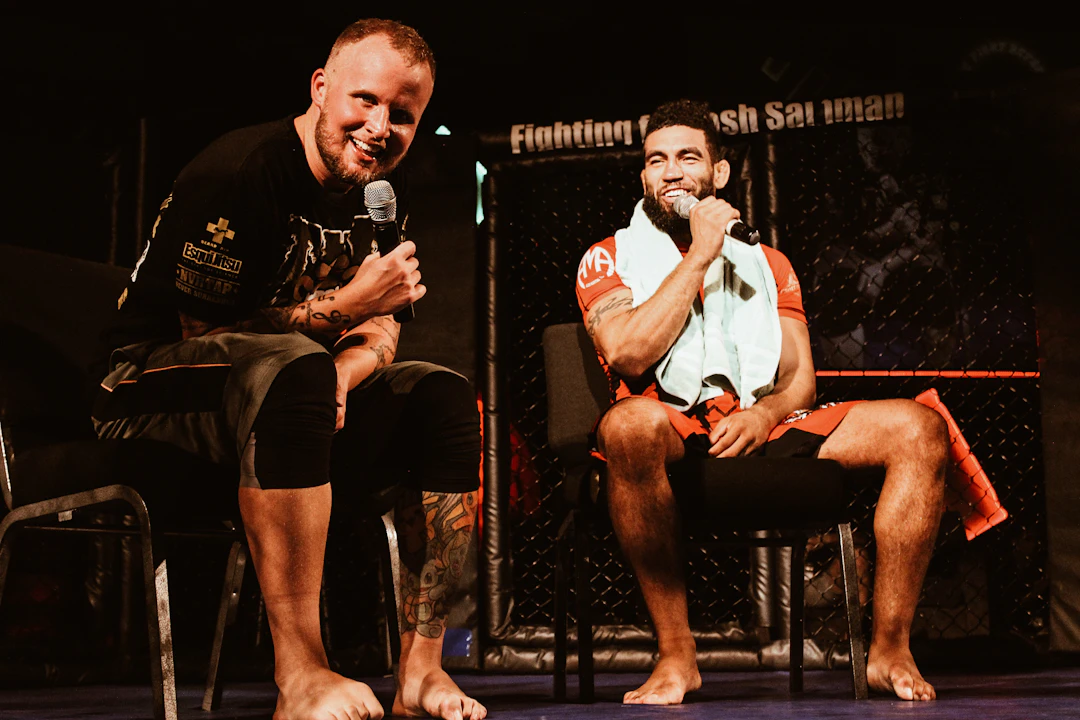
In the world of UFC and MMA, trash talk has become as much a part of the spectacle as the bouts themselves. The art of verbal jousting, often seen during pre-fight press conferences, is not just a spontaneous exhibition of witticisms and bravado but a calculated maneuver aimed at enhancing a fighter's marketability and overall strategy. This article delves into the intricate relationship between trash talk, social media, and the business of fighting.
The Rise of Trash Talk in MMA
Trash talk has long been a staple of combat sports, but the UFC has taken it to a whole new level. Characters such as Conor McGregor and Chael Sonnen have transformed the landscape, showing that a fighter can sell themselves through personality as much as through their skills in the octagon. McGregor, for instance, has made a name for himself not just for his striking ability but also for his sharp tongue and unique brand of confidence.
Social media has played a crucial role in amplifying these trash talk antics. It allows fighters to reach their audience directly, amplifying their persona beyond traditional media channels. Fans engage with fighter news, eagerly anticipating the witty one-liners and rivalries that may shape forthcoming MMA events.
Marketing vs. Strategy
This brings us to a significant question—do fighters engage in trash talk primarily for marketing purposes, or is it part of a broader strategic framework? In many cases, the answer lies somewhere in between.
Marketing: Building a Brand
For many fighters, the ultimate goal is to create a marketable brand. Engaging in trash talk can differentiate a fighter in a saturated market. A well-timed quip or taunt can keep a fighter in the audience's mind well after the fight is over. It is this lasting impression that can lead to lucrative sponsorship deals, merchandising opportunities, and even greater pay-per-view buys.
Engaging with Fans: Trash talk often stirs excitement, leading to more significant fan engagement.
Creating Rivalries: A public feud can draw attention and hype to future fights, leading to increased ticket and pay-per-view sales.
Leverage the realization that fighters like McGregor or Nate Diaz often control their public image through strategic trash talk, serving a dual purpose of promoting their brand while keeping their opponents on edge.
Strategy: Psychological Warfare
On the flip side, it is crucial to acknowledge the strategic aspect of trash talk. Professional fighters are not only athletes but also competitors who engage in psychological tactics designed to unnerve their opponents. By engaging in well-timed trash talk, a fighter can:
Impose Mental Pressure: Leading up to a fight, a fighter can create doubt in their opponent’s mind, distracting them from their game plan.
Control the Narrative: By defining how a fight is perceived, a fighter can manipulate the expectations and pressure placed upon them and their opponent.
Ultimately, understanding the psychology behind an MMA fighter's mindset is essential in evaluating the effectiveness of trash talk. For insights, you may find it beneficial to explore The Psychology Of An Mma Fighter Mindset And Preparation.
Why Some Fighters Choose Silence
While trash talk can be an impactful tool, it is not necessarily the best approach for every fighter. Some fighters prefer silent determination, allowing their performance in the octagon to speak for itself. For these athletes, an intense focus on training and strategy stands in contrast to the flamboyance of trash talk.
Silence can often create a formidable aura as well. Fighters who let their skills do the talking may find that a more intense, serious demeanor adds to the anticipation of their fights. For instance, legends like Georges St-Pierre are known for their humility and focus, showing fans that there’s power in restraint. The substance of their skills rather than the spectacle of their antics drives their fanbase.
The Role of Media and Promotion
The media landscape has altered how and why trash talk is employed in MMA. Promotion companies like the UFC understand the marketing potential behind controversial statements and epic rivalries. Press events and interviews often become platforms for fighters to engage in trash talk, as it invariably attracts attention from fans and media alike.
MMA events are often marketed around these rivalries, creating a narrative that fans can rally behind. In doing this, the UFC shapes public perception, creating heroes and villains in the sport. This is also evident in the build-up to fights, where the promotion may capitalize on fighter rivalries—often feeding into the spectacle of trash talk to increase engagement.
Fighter Rivalries and Epic Matchups
It’s essential to consider the historical context of rivalries in MMA. Legends such as Randy Couture vs. Chuck Liddell and more recently, McGregor vs. Khabib Nurmagomedov, have showcased how trash talk can lead to legendary matches. It builds anticipation, turning casual spectators into fully engaged fans.
To dig deeper into the dynamics of legendary rivalries, check out Fighter Rivalries Legendary Matchups Over The Years. Here you'll discover how trash talk has played a vital role in these epic confrontations.
The Fine Line: Respect vs. Provocation
While trash talking can add excitement to an event, it’s crucial for fighters to navigate the fine line of respect and provocation. Engaging in tasteless or overly personal attacks may alienate fans and sponsors alike. Respect for fellow fighters is essential for maintaining a professional image. Most fans appreciate a confident fighter, but they also value authenticity and sportsmanship.
Moreover, fighters who can engage in witty banter while maintaining respect often find their popularity skyrocketing—indicating their ability to entertain without crossing boundaries.
MMA News and the Power of Social Media
Social media fuels the fire of trash talk, offering fighters a platform to express themselves, share their progress, and engage in banter. This real-time interaction creates a more personal experience for fans, enhancing engagement and loyalty.
Fighter news today is often intertwined with social media narratives. Platforms like Twitter and Instagram allow fighters to interact directly with fans, accelerating their brand and allowing them to define their image. The viral nature of social media means a fighter’s words can reach millions within seconds, making measured aggression or tongue-in-cheek humor highly effective marketing tools.
Adding Your Personal Touch
Adopting the principles of trash talk doesn't mean you have to be confrontational. Instead, focus on adding your personal flair to the conversation. Whether you're an aspiring fighter or a fan, you can engage with the MMA events world while keeping the spirit high and the attitudes playful. Join the conversations on social media, share your thoughts on recent fights, and add that touch of humor when engaging with others. Fans appreciate authenticity, and adding your unique voice can help foster camaraderie within the community.
If you're looking for something that showcases your passion for the sport, consider our Fighter Silhouette Metal Art, which beautifully captures the dynamic essence of MMA. Alternatively, our Octagon Arena Print evokes the intensity and anticipation of a fight, serving as a great conversation starter!
The Lasting Impact of Trash Talk
As we've seen, the art of trash talk transcends simple jest. It is a complex interplay of psychology, marketing, and athletic strategy within the universe of MMA. Whether a fighter employs a light-hearted approach or embraces aggressive rhetoric, what truly matters is the intention behind the words and the impact they have on branding and fight promotions.
We are left asking—how does this impact the future of MMA and the way athletes engage with their fans? As MMA continues to grow in popularity, it is likely that the art of trash talk will further evolve. The fighter news landscape will remain shaped by those who can marry skill with personality, making us eagerly anticipate what comes next. If you're a fan of the sport and want to stay updated on the latest MMA news, explore the many facets of the UFC and witness how the art of trash talk continues to unfold!
Explore these products to enhance your MMA experience. Fighter Silhouette Metal Art and Octagon Arena Print.
Related Products
Fighter Silhouette Metal Art - £110.00 - A laser-cut metal wall art piece featuring the silhouette of a fighter in a dynamic pose, finished with a matte black powder coating for a sleek, mod...
Octagon Arena Print - £90.00 - A high-quality art print on durable canvas depicting an empty MMA octagon under dramatic spotlighting, evoking the intensity and anticipation of a fi...
Victory Pullover Hoodie - £75.00 - A soft, mid-weight fleece hoodie designed for warmth and comfort, featuring a minimalist embroidered logo on the chest and a subtle graphic print on...
FAQs
What is the significance of trash talk in MMA?
Trash talk is a crucial part of MMA, functioning as a marketing tool and a strategic maneuver that enhances a fighter's visibility and appeal while also exerting psychological pressure on opponents.
How has social media influenced trash talk in MMA?
Social media amplifies trash talk by allowing fighters to directly engage with fans, creating narratives that enhance anticipation for fights and helping to build a fighter's brand.
Is trash talk solely for marketing purposes, or does it serve a strategic role as well?
Trash talk serves both marketing and strategic roles; it builds a fighter's brand and creates rivalries while also acting as psychological warfare to unsettle opponents.
Why do some fighters choose to remain silent before a fight?
Some fighters prefer silence to focus on their training and strategy, letting their performance speak for itself, thereby creating an intense and serious demeanor that can heighten anticipation.
What should fighters consider when engaging in trash talk?
Fighters should navigate the fine line between respect and provocation, as tasteless attacks can alienate fans while witty banter that maintains respect can enhance their popularity.