Overview
MMA has evolved from niche martial arts origins to a global phenomenon, driven by organizations like the UFC, increased regulation, and cultural acceptance. The sport has diversified, embracing inclusivity and promoting women's participation. Technological advancements and social media have enhanced fan engagement, while the future looks bright with ongoing innovation and accessibility.
Contents
The Early Days of Martial Arts
The Birth of Modern MMA
Regulation and Mainstream Acceptance
From Underdog to Cultural Phenomenon
The Role of Technology and Broadcasting in MMA's Growth
Diversity within MMA
MMA Events and the Thrill of Competition
The Influence of Fighter News on the Sport
The Future of MMA: What's Next?
Join the MMA Movement Today!
FAQs
- What is the history of MMA?
- When did modern MMA begin?
- How has MMA become more mainstream?
- What role do technology and broadcasting play in MMA's growth?
- What can we expect for the future of MMA?
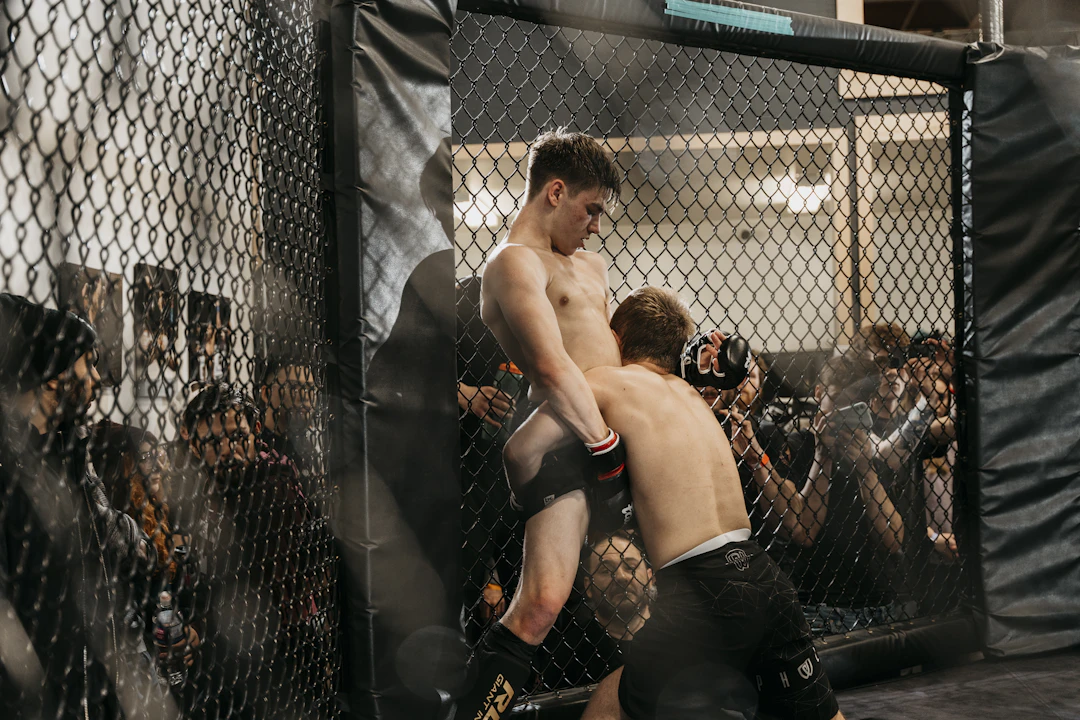
Mixed Martial Arts (MMA) has come a long way since its inception, transforming from a niche activity into a worldwide phenomenon. This evolution encompasses a rich history that reflects cultural changes, advances in training methodologies, and the rise of prominent organizations like the UFC. In this article, we will explore the journey of MMA, its incredible growth and diversification, and the future we can expect to see in this exhilarating sport.
The Early Days of Martial Arts
The roots of MMA can be traced back to ancient martial arts practices from around the globe. Traditional martial arts, such as Brazilian Jiu-Jitsu, Muay Thai, Judo, and Karate, set the stage for the mixed style of fighting that we recognize today. These practices focused on a variety of combat techniques, including striking, grappling, and submission, and they were often performed in separate formats, with practitioners usually specializing in just one discipline.
The advent of hybrid martial arts competitions began to challenge the norm, allowing fighters to showcase their abilities across multiple disciplines. In this era, it became increasingly clear that a single method of fighting would not be sufficient for success in the ring. Fighters swiftly recognized the need to adapt, integrate, and train in various styles, ultimately paving the way for the MMA movement.
The Birth of Modern MMA
Modern MMA began to crystallize in the early 1990s with organizations such as the Ultimate Fighting Championship (UFC) being established in 1993. Its goal was to determine the most effective martial art in a live competition. The first UFC events gained notoriety for their no-holds-barred approach and lack of weight classes, drawing both attention and criticism from the media and general public.
The UFC's debut event prominently featured fighters from various backgrounds, including Brazilian Jiu-Jitsu, kickboxing, and wrestling. This eclectic cast of competitors showcased the importance of cross-training and adaptability within the octagon. While earlier fights often represented a clash of styles, the UFC demonstrated the merit of a comprehensive skill set over singular expertise.
Regulation and Mainstream Acceptance
The chaotic early years of MMA garnered significant backlash, prompting regulators to impose stricter rules and safety measures to protect fighters and maintain the integrity of the sport. Over the years, the establishment of weight classes, medical requirements, and standardized regulations led to a healthier, safer competition environment. These changes helped propel MMA’s acceptance as a legitimate sport.
The introduction of the Unified Rules of MMA in the early 2000s standardized regulations across promotions, bolstering safety and defining the parameters of fair play. As MMA began to adopt these best practices, its reputation within the public sphere improved, capturing a wider audience and generating increased interest from mainstream media.
From Underdog to Cultural Phenomenon
As MMA gained traction, particularly through the achievements of organizations like the UFC, it soon found itself embraced by popular culture. The explosive growth of reality television programming offered contestants an opportunity to showcase both their personalities and athleticism, leading to the hit series "The Ultimate Fighter." This show introduced many fans to the sport, creating a surge in interest and subsequently loyal fan bases.
The explosive rise of star fighters such as Conor McGregor and Ronda Rousey further propelled MMA into the international spotlight. Their charisma, fighting prowess, and ability to market themselves transformed them into cultural icons, generating significant attention and driving the promotion's popularity. UFC events began to regularly draw substantial pay-per-view audiences, cementing the sport's status as a force in the entertainment industry.
The Role of Technology and Broadcasting in MMA's Growth
The advent of technology has played a crucial role in MMA's success. The rise of social media platforms allowed fighters and promotions to engage directly with fans, revealing the more human side of competitors and building followings around their personalities. Furthermore, MMA news and live events became more easily accessible as streaming services provided global audiences with the opportunity to watch fights from the comfort of their homes.
The expansion of broadcasting channels dedicated to MMA coverage has been instrumental in sustaining viewer interest. ESPN's entry into the world of combat sports brought further legitimacy to the sport and helped introduce MMA to a new audience. The culmination of these factors creates a fertile environment for continual growth—a far cry from the sport’s humble beginnings.
Diversity within MMA
The inclusivity and diversity within the MMA landscape cannot be overlooked. As the sport has developed, numerous promotions such as Bellator, ONE Championship, and Invicta FC have emerged, each highlighting different aspects of combat sports. Fighters from various ethnic, cultural, and gender backgrounds have found a home within MMA, further enriching the sport's landscape.
Women’s MMA has also experienced a profound transformation. Once marginalized, women fighters gained visibility through organizations championing gender equality in the sport and landmark battles that showcased their incredible skills. Notable fighters like Amanda Nunes and Zhang Weili have pushed boundaries and inspired countless women to pursue careers in combat sports.
MMA Events and the Thrill of Competition
One of the most exhilarating aspects of MMA lies in its events. UFC, as the flagship organization, hosts a plethora of tournaments, exhibitions, and championship bouts. Events like UFC Fight Night and The Ultimate Fighter Finale captivate audiences with jaw-dropping performances from skilled fighters. These competitions are staged in expertly designed arenas, amplifying the thrill of the fights. For an in-depth look at the significance of these competitions, check out The Thrill Of The Cage.
Furthermore, the promotion of strategic rematches, rivalries, and themed events—such as the iconic “Fight Nights,” adds to the allure of live events. Each matchup has its backstory driven by personal vendettas or championship stakes, providing much food for thought in the lead-up to the fights. These intricacies make every bout not just a competition but also a captivating narrative.
The Influence of Fighter News on the Sport
Staying updated on fighter news is crucial in the ever-evolving landscape of MMA. Each announcement of injury updates, trade negotiations, or contract signings can have a profound impact on rankings and matchups. Fighters often utilize social media as a platform to share personal updates, garner fan support, or challenge opponents. This engagement creates a sense of intimacy and immediacy that keeps fans connected to their favorite athletes.
MMA news outlets are pivotal in disseminating information, providing analysis and insights on upcoming fights, performance reviews, and fighter training regimens. By following reliable sources, fans can stay informed about the latest developments and be deeply immersed in the ever-changing world of MMA.
The Future of MMA: What's Next?
Looking ahead, the future of MMA appears promising. As the sport continues to evolve, we can expect to see innovative training techniques, an increasing acceptance of women in competitive fighting, and greater inclusivity across promotions. The international growth of MMA enables fighters from emerging countries to achieve recognition, expanding the global reach of the sport.
Moreover, advancements in technology, specifically regarding streaming services, are likely to enhance viewer experience and accessibility. As organizations like the UFC navigate the digital landscape, they have an opportunity to captivate an even wider audience, providing unparalleled access to MMA events and behind-the-scenes contents such as fighter training and preparation.
Venues may also evolve. Imagine seeing MMA events held in unconventional spaces that break the traditional arena mold, offering spectacular environments for fights. These changes will certainly contribute to the sport's growing appeal.
Join the MMA Movement Today!
The evolution of MMA is a testament to the undying spirit of competition and adaptability. From its humble beginnings rooted in various martial arts traditions to becoming a cultural phenomenon embraced by millions, MMA's journey encapsulates the pursuit of excellence in the face of growing challenges. Whether you're a seasoned fan or someone who’s new to the scene, now is the perfect time to immerse yourself in this remarkable sport.
Consider celebrating your passion for MMA by exploring unique accessories such as the sleek Fighter Silhouette Metal Art or the dynamic Octagon Arena Print. These pieces are perfect for every MMA enthusiast looking to express their love for the sport. As you witness the next chapter in MMA unfold, why not wear your support loud and proud with our Victory Pullover Hoodie? The future of MMA is bright, and you can be a part of it! Keep up with the latest MMA news to stay in the loop and never miss an exciting moment!
Explore these products to enhance your MMA experience. Fighter Silhouette Metal Art and Octagon Arena Print.
FAQs
What is the history of MMA?
Mixed Martial Arts (MMA) has evolved from ancient martial arts practices around the world, incorporating various fighting styles like Brazilian Jiu-Jitsu, Muay Thai, Judo, and Karate. The sport began to take shape with hybrid martial arts competitions that allowed fighters to showcase skills across multiple disciplines.
When did modern MMA begin?
Modern MMA started to crystallize in the early 1990s with the establishment of the Ultimate Fighting Championship (UFC) in 1993, aiming to determine the most effective martial art through live contests.
How has MMA become more mainstream?
MMA's acceptance increased through the establishment of regulations and safety measures, notably the Unified Rules of MMA, which standardized practices across promotions, improving safety and legitimacy.
What role do technology and broadcasting play in MMA's growth?
Technology, especially social media, has allowed fighters and promotions to engage directly with fans. Broadcasting channels like ESPN have brought further legitimacy, while streaming services have made fights more accessible to global audiences.
What can we expect for the future of MMA?
The future of MMA appears promising with innovative training techniques, greater inclusivity, increased acceptance of women in competitive fighting, and advancements in technology enhancing viewer experience and accessibility.