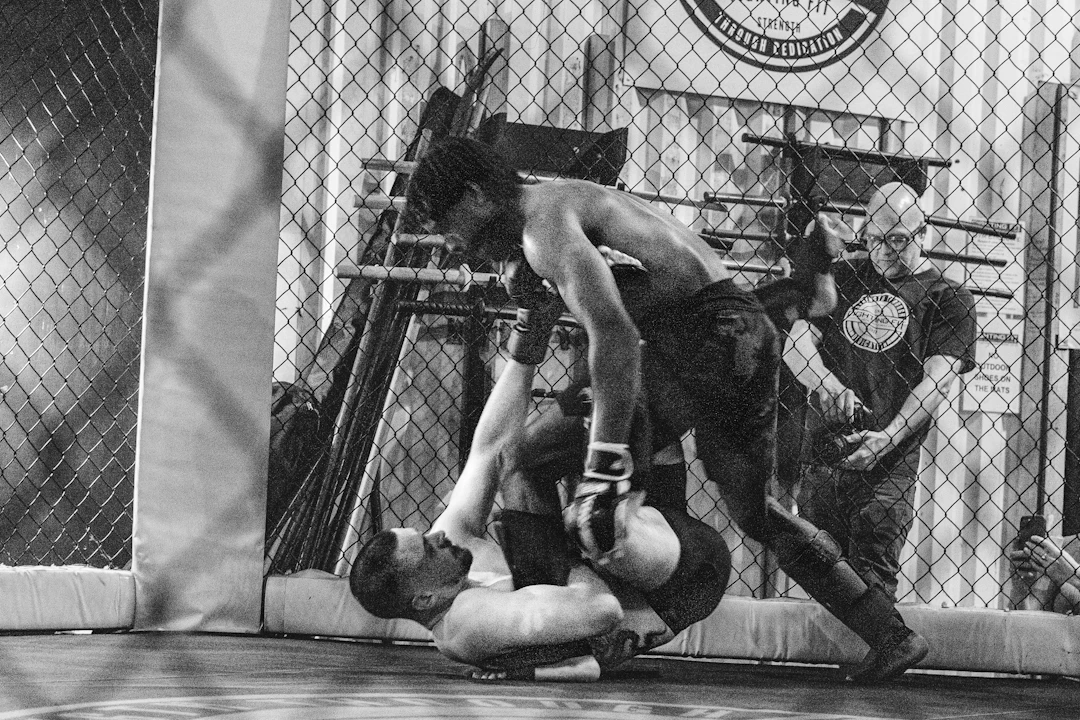
Overview
MMA has evolved from a niche sport to a mainstream phenomenon since the first UFC event in 1993. Key milestones include the introduction of regulations, the UFC's revitalization under new ownership in 2001, and the rise of stars like Conor McGregor, who brought significant attention to the sport. Major events like UFC 100 and the inclusion of women's divisions have further solidified MMA's place in popular culture. As technology transforms how fans engage with the sport, the future of MMA looks promising with a growing community of fighters and fans.
Contents
The Birth of Modern MMA
The Rise of the UFC
The Mainstream Explosion
- The Conor McGregor Effect
Major MMA Events and Their Significance
The Integration of Technology and MMA
The Future of MMA
Celebrating the Journey
FAQs
- What were the key milestones in the history of MMA?
- How did the UFC gain popularity in the early 2000s?
- What role did Conor McGregor play in MMA's mainstream success?
- How has technology influenced MMA?
- What does the future of MMA look like?
Mixed Martial Arts (MMA) has transformed dramatically over the past few decades, evolving from a niche sport into a mainstream entertainment powerhouse. To understand the growth and significance of MMA in today's world, it’s essential to reflect on the key milestones that have defined its history. In this exploration, we will examine pivotal moments and events that have shaped the landscape of this thrilling sport, allowing fans and participants to appreciate where MMA has come from and where it is heading.
The Birth of Modern MMA
The roots of MMA can be traced back to ancient combat sports, but the modern era began with the first Ultimate Fighting Championship (UFC) event held in November 1993. The concept was straightforward: to determine the most effective martial art by pitting various fighters against each other in an octagonal cage. This groundbreaking event showcased incredible talent, including future stars like Royce Gracie, who displayed the effectiveness of Brazilian Jiu-Jitsu.
Initially, the UFC lacked rules and regulations, sparking controversy and skepticism from traditional martial artists and the general public. Many advocated for a ban on the sport, labelling it as "human cockfighting." This scrutiny forced the UFC to adapt, eventually leading to the introduction of weight classes, referee intervention, and rules to ensure fighter safety. This transition is one of the key milestones that transformed the UFC into a legitimate organization and helped usher in the era of regulated MMA.
The Rise of the UFC
In the late 1990s, the UFC faced financial struggles and declining popularity. However, in 2001, the Fertitta brothers and Dana White purchased the organization, setting off a franchise revitalization. With a strategic focus on marketing, the UFC began to attract larger audiences through well-promoted events and a growing roster of talented fighters.
This growth was further propelled by landmark events such as UFC 40 in 2002, which featured the legendary bout between Tito Ortiz and Ken Shamrock. The fight not only captured the attention of fans but also helped solidify the UFC’s position as a leading promotion in MMA. Additionally, the introduction of "The Ultimate Fighter" reality series in 2005 played a pivotal role in popularizing the sport further, broadening its audience beyond traditional combat sports fans.
The Mainstream Explosion
As interest in MMA continued to soar, several milestones contributed to its mainstream acceptance. Notably, in 2016, Google Trends reported a significant spike in MMA-related searches, indicating that the sport had entered the public's consciousness. This can be attributed to various factors, including major sponsorship deals and an increase in media coverage.
The Conor McGregor Effect
No discussion of MMA milestones would be complete without mentioning Conor McGregor. The Irish fighter brought charisma and showmanship to the sport, generating unprecedented attention around his matches. McGregor's fight against José Aldo at UFC 194 in December 2015 was a pivotal moment, as he knocked out the featherweight champion within just 13 seconds, creating waves of excitement and interest in MMA.
Moreover, McGregor's crossover bout against boxing legend Floyd Mayweather Jr. in 2017 solidified the sport's mainstream status. The two vastly different styles drew global attention, resulting in one of the largest pay-per-view sales in history. This cross-pollination of MMA and boxing showcased the potential for MMA to reach audiences well beyond its traditional fan base, further solidifying its position in popular culture.
Major MMA Events and Their Significance
UFC 100: Celebrating its centennial event in July 2009, UFC 100 was a significant milestone that highlighted the growth of the sport. Featuring high-profile fighters like Brock Lesnar and Georges St-Pierre, the event drew considerable attention and viewership.
UFC 200: This landmark event in July 2016 was initially set to feature a headline fight between McGregor and Nate Diaz but faced several controversies leading up to the event, showcasing the unpredictable nature of MMA events.
Women’s MMA: The introduction of women’s divisions, notably with Ronda Rousey’s rise to prominence in 2012, marked a watershed moment. Rousey's achievements opened the door for female fighters and contributed greatly to the growth of the sport.
These key events and milestones have not only elevated the perception of MMA but also laid the groundwork for future fighters and promotions to thrive. The increasing popularity of MMA has prompted a surge in MMA events, creating fresh opportunities for fighters across the globe.
The Integration of Technology and MMA
With the advent of streaming services, MMA broadcasts have transformed significantly. Major promotions, particularly the UFC, embraced these platforms to reach a wider audience. The impact of streaming technology has changed how fans consume content, creating greater accessibility to fights, fighter news, and events than ever before.
This technological integration extends to training and performance analysis. Innovations in MMA gear and safety equipment have also evolved alongside fighter training practices, as discussed in our dedicated piece on the evolution of MMA gear. This continued focus on safety ensures that the sport remains engaging while prioritizing competitor well-being.
The Future of MMA
The trajectory of MMA suggests continued growth and evolution in the years to come. New wave fighters are emerging at a rapid pace, with promotional companies eager to discover upcoming talent. Fans are encouraged to stay updated on MMA news to follow the progression of exciting new fighters and noteworthy events.
As we look ahead, understanding the vital historical moments provides context and appreciation for the sport. Whether you’re a hardcore fan or a casual viewer, knowing the roots of MMA enhances the experience of watching fighters compete at the highest level.
Celebrating the Journey
The milestones of MMA history are not merely dates to remember; they represent the ongoing journey of a sport defined by dedication, resilience, and transformation. MMA has captured global interest by continually pushing the boundaries of what is possible in a combat sport. Its evolution reflects a culture that thrives on competition and the celebration of athletic excellence.
For those passionate about MMA, showcasing the sport at home can be a wonderful experience. Consider adding decor like the Octagon Arena Print to enhance the ambiance of your space, or perhaps display the Champion Belt Replica, showcasing the prestige and spirit of MMA titles. These items are perfect for expressing your enthusiasm for the sport.
With a future filled with potential, the MMA community continues to grow, welcoming fighters and fans from diverse backgrounds. Whether it be through watching MMA events or participating in training, the spirit of MMA is alive and well, driven by history, passion, and an unwavering dedication to the sport.
Explore these products to enhance your MMA experience. Octagon Arena Print and Champion Belt Replica.
FAQs
What were the key milestones in the history of MMA?
Key milestones in MMA history include the first UFC event in 1993, the introduction of rules and weight classes, the UFC's purchase by the Fertitta brothers and Dana White in 2001, significant events like UFC 100 and UFC 200, and the impact of fighters like Conor McGregor.
How did the UFC gain popularity in the early 2000s?
The UFC gained popularity in the early 2000s through strategic marketing efforts, high-profile events, and the introduction of 'The Ultimate Fighter' reality series, which attracted a wider audience to the sport.
What role did Conor McGregor play in MMA's mainstream success?
Conor McGregor's charisma and showmanship significantly contributed to MMA's mainstream success, particularly with his 13-second knockout of José Aldo at UFC 194 and his high-profile bout with Floyd Mayweather Jr. in 2017.
How has technology influenced MMA?
Technology has greatly influenced MMA by enhancing how fights are broadcasted, allowing for streaming services to reach a wider audience, and improving training through innovations in gear and performance analysis.
What does the future of MMA look like?
The future of MMA appears promising, with the emergence of new fighters and continued growth of the sport as promotional companies seek out talent, and fans are encouraged to stay updated on MMA news and events.