Overview
MMA training has evolved significantly from its origins, transitioning from single-discipline focus to cross-training in various martial arts. Modern techniques emphasize advanced conditioning, technology integration, and mental training to enhance performance. Current trends include functional fitness, recovery strategies, and nutrition awareness. As the sport grows, fighters must continually adapt their training methods to stay competitive, embracing innovations in sports science and technology.
Contents
The Roots of MMA Training
The Emergence of Cross-Training
The Role of Advanced Conditioning Techniques
Technological Integration in Training
The Mental Game: A Fighter's Psychology
The Importance of Sparring and Real-World Application
Current Trends in MMA Training Techniques
Impact of MMA Events on Training Dynamics
The Future of MMA Training Techniques
A Glimpse into a Bright Future: Embrace the Journey
Related Products
FAQs
- What is the main focus of the article on MMA training techniques?
- How did MMA training start, according to the article?
- What is cross-training and why is it important in MMA?
- What role does technology play in modern MMA training?
- What are some current trends in MMA training techniques mentioned in the article?
Mixed Martial Arts (MMA) has rapidly evolved over the past few decades, transitioning from obscure origins to a global phenomenon. The way fighters prepare for bouts has changed dramatically, mirroring the sport's surge in popularity and competition. This article explores the evolution of MMA training techniques, shedding light on how these practices impact performance today. As the UFC grows, so does the need for robust training methodologies. Let’s dive into how MMA training has transformed and what it means for fighters, enthusiasts, and fans alike.
The Roots of MMA Training
Initially, MMA training was rooted in various martial arts disciplines, including Brazilian Jiu-Jitsu (BJJ), Muay Thai, boxing, wrestling, and more. Fighters often specialized in one form of martial art, leading to a narrow skill set that often fell short in the cage. Training was mostly focused on individual techniques, with little emphasis on cross-training or integrating different martial arts.
For example, while traditional jiu-jitsu practitioners focused on ground techniques, stand-up fighting was neglected. This gap in training became more evident as MMA made its way into popular consciousness through early UFC matches, where fighters quickly realized the necessity of being versatile.
The Emergence of Cross-Training
As the UFC began to popularize MMA, cross-training became not just a trend but a pivotal shift in training methodologies. Fighters began realizing the importance of mastering multiple disciplines to compete effectively. This evolution brought about a wave of training gyms that offered a one-stop-shop approach, combining striking, grappling, and conditioning all under one roof.
Cross-training allowed fighters to capitalize on their strengths while simultaneously addressing weaknesses. This era saw the rise of iconic fighters such as Randy Couture and Matt Hughes, who effectively demonstrated the efficacy of integrating multiple martial arts techniques. A typical training center was not only outfitted with punching bags and mats but also incorporated strength and conditioning programs designed specifically for fighters.
The Role of Advanced Conditioning Techniques
With a deeper understanding of athletic performance came the emphasis on conditioning. No longer was it acceptable for fighters to rely solely on technique; physical conditioning became paramount. Modern training now includes:
Cardiovascular Training: Fighters incorporate high-intensity interval training (HIIT) alongside traditional endurance workouts to enhance their stamina, crucial for those grueling championship rounds.
Strength Training: Customized strength regimens are vital for muscle development, injury prevention, and explosive power.
Mobility Work: Flexibility and mobility exercises are integrated to help fighters avoid injuries and improve their movements in the cage.
Many trainers now specialize in strength and conditioning specific to combat sports, utilizing technologies like heart rate monitoring and biomechanical analysis to tailor the best conditioning programs for fighters. For example, fighters often integrate current trends in MMA training techniques that highlight integrated conditioning protocols.
Technological Integration in Training
In recent years, technology has played a pivotal role in how fighters prepare for their bouts. Tools such as performance analysis software, and video breakdowns of sparring sessions, help fighters identify weaknesses in their game. Wearable technology aids in monitoring physical exertion levels and sleep patterns, ensuring fighters maintain peak physical readiness.
Additionally, virtual reality (VR) is shaping how fighters visualize their strategy. With VR, they can simulate fight scenarios, which can condition them mentally for various outcomes. This tech-driven approach is revolutionizing training regimens and equipping fighters with enhanced mental fortitude.
The Mental Game: A Fighter's Psychology
MMA demands more than just physical prowess; the psychological aspect can make or break a fighter. Many fighters now engage in mental training techniques previously reserved for other high-performance sports. Mental toughness training and visualization techniques help fighters manage the stresses that come with competitional pressure.
This incredible journey through the mental landscape has spurred a wave of fighter news revealing how the mental aspect is increasingly viewed as just as critical as physical training. For those curious about how mental health affects performance, there are numerous discussions around this crucial component.
The Importance of Sparring and Real-World Application
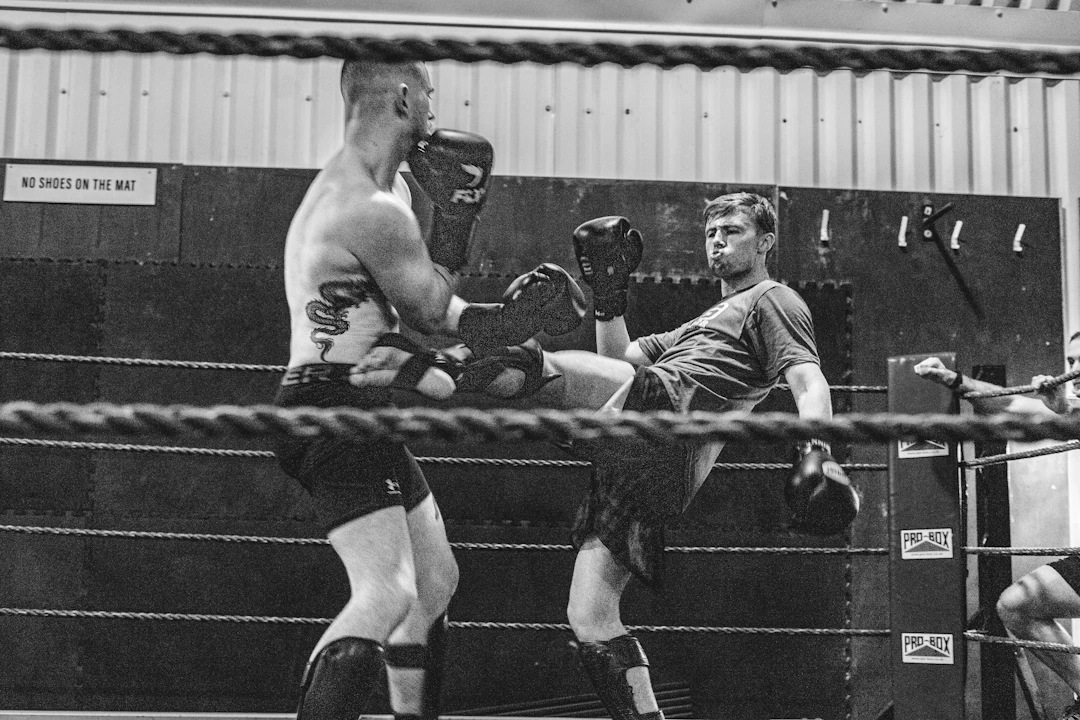
Sparring has always been an integral aspect of training in MMA. In the past, fighters often limited themselves to sparring exclusively with gym mates, creating a false sense of security. Today, however, sparring is approached with a mission to replicate the actual competition environment. Fighters train with different partners, styles, and skill levels, offering a more comprehensive preparation experience.
In conjunction with sparring, techniques are put to the test in real-world conditions. Fighters are learning to integrate what they practice into fight simulations to assess adaptability and efficiency under pressure.
Current Trends in MMA Training Techniques
The last decade has been a golden era for discovering and embracing effective training methods within MMA. Some popular current trends include:
Functional Fitness: Emphasizing functional movements that replicate tasks fighters perform in the cage.
Recovery Strategies: Fighters are educated more about recovery, utilizing methods like cryotherapy, massage therapy, and yoga.
Nutrition Awareness: Athletes are taking their diet more seriously, seeking to optimize their performance through tailored dietary plans that fuel their training.
In a sport where every edge counts, the evolution of training techniques continues to shape the path to success for fighters in the UFC and beyond.
Impact of MMA Events on Training Dynamics
MMA events, particularly major showcases like the UFC, bring a heightened level of urgency and competition for fighters. The pressure to perform at top levels during these events compels fighters to continually innovate and refine their training techniques. Fighters often transition between rigorous training camps leading to major UFC events, necessitating a focus on peak performance.
These camps are where fighters meticulously optimize their training regimes, focusing heavily on their strengths while allocating sufficient time to mitigate weaknesses. Understanding how structures of such MMA events are organized informs athletes’ strategic training preparations, making their approach more effective.
The Future of MMA Training Techniques
The evolution of MMA training techniques shows no sign of stopping. As fighters push boundaries, training methods will continue to adapt. Becoming a well-rounded fighter means always learning, evolving, and adapting. This progression is essential in staying ahead of the competition in a sport that thrives on reinvention.
The anticipated introduction of new training methods, possibly influenced by innovations in sports science and technology, will set the stage for the next generation of fighters. For instance, the training gear that fighters use continues to evolve, with products like the Performance Mouthguard ensuring safety during intense sessions, while Sparring Training Gloves provide essential protection and durability.
A Glimpse into a Bright Future: Embrace the Journey
The evolution of MMA training techniques encapsulates a fascinating journey—one characterized by resilience, innovation, and continuous learning. As fighters and coaches embrace modern methodologies, the sport itself will thrive, revealing even deeper layers of skills and strategies. Whether you are a fighter, a coach, or simply an MMA enthusiast, stay curious, informed, and ready to embrace the changes that come with the growth of this exhilarating sport.
Explore these products to enhance your MMA training experience. Performance Mouthguard and Sparring Training Gloves.
Related Products
Performance Mouthguard - £20.00 - A high-impact, boil-and-bite mouthguard offering superior protection and a comfortable, secure fit for intense training sessions. Its streamlined des...
Sparring Training Gloves - £60.00 - Durable synthetic leather training gloves with reinforced stitching and a padded knuckle area, designed for sparring and heavy bag work. Features a s...
Grappling Compression Top - £55.00 - A sleek, form-fitting compression rashguard made from a high-performance, moisture-wicking fabric, featuring sublimated geometric patterns along the...
FAQs
What is the main focus of the article on MMA training techniques?
The article explores the evolution of MMA training techniques, highlighting how they have changed over time and their impact on fighter performance.
How did MMA training start, according to the article?
Initially, MMA training was rooted in various martial arts disciplines where fighters often specialized in one area, leading to a narrow skill set.
What is cross-training and why is it important in MMA?
Cross-training is the practice of mastering multiple martial arts disciplines to compete effectively, and it has become a pivotal shift in MMA training methodologies.
What role does technology play in modern MMA training?
Technology aids fighters in their preparation by providing tools for performance analysis, monitoring exertion levels, and simulating fight scenarios using virtual reality.
What are some current trends in MMA training techniques mentioned in the article?
Current trends include functional fitness, recovery strategies like cryotherapy, and enhanced nutrition awareness to optimize performance.