Overview
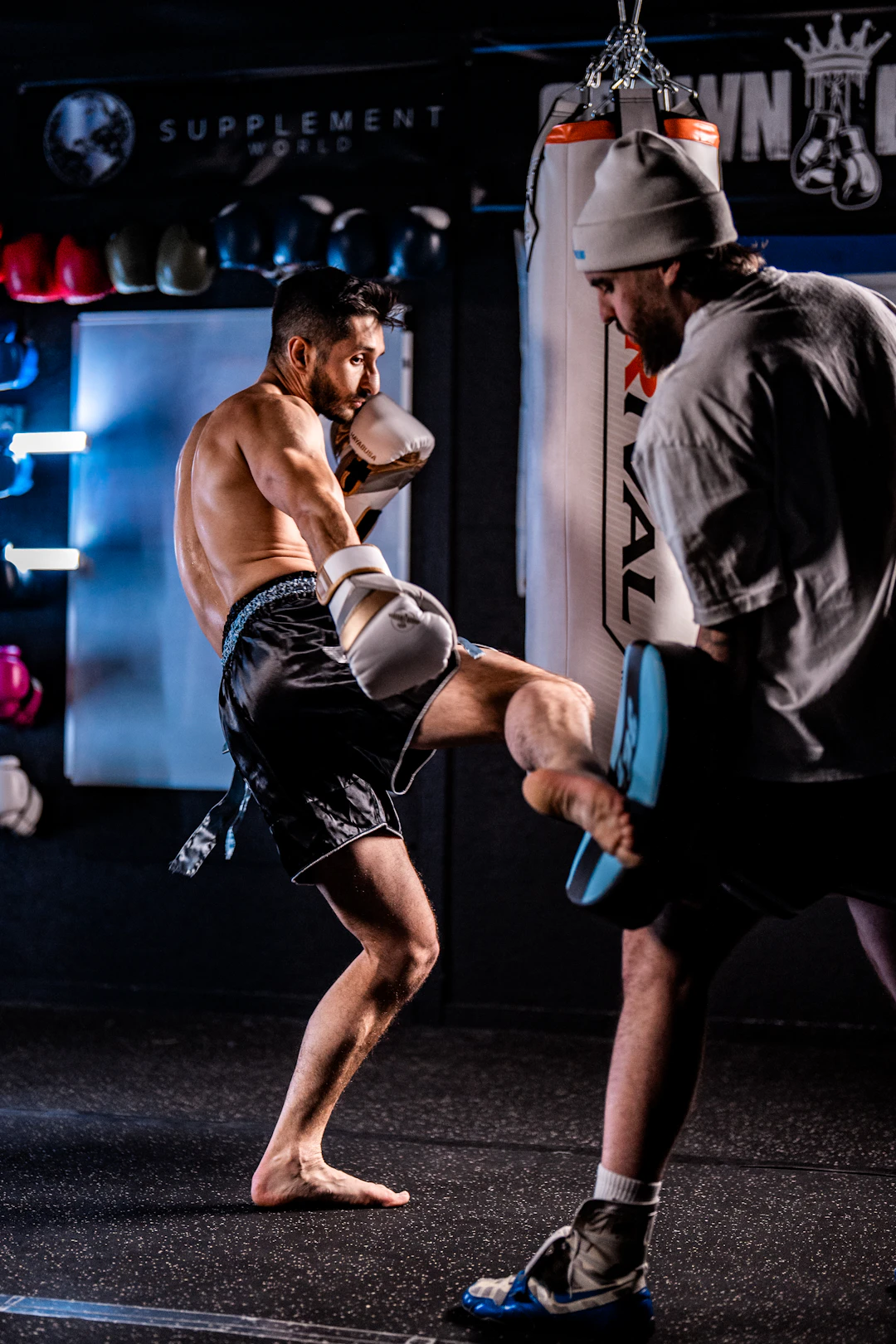
Coaches play a vital role in the success of Mixed Martial Arts fighters, providing essential guidance in technique, strategy, and mental preparation. Their relationship with fighters is built on trust and communication, and they are crucial in developing fighters' skills, managing injuries, and fostering a supportive environment. As MMA evolves, coaches must adapt and nurture emerging talents, shaping the next generation of champions.
Contents
The Coach-Fighter Relationship
The Technical and Tactical Guidance
Breaking Down the Fighters' Journey
- Early Stages: Foundation Building
- Advanced Training: Specialization
- Preparing for Major Events: Mental Preparation
The Unsung Heroes Behind Fighters
Adapting to the Evolving MMA Landscape
Building a Strong Support Team
- Nurturing Emerging Talents
- The Role of Coaching in Injury Management
Fighter-Focused Strategies
- Final Thoughts on Coaching in MMA
Related Products
FAQs
- What is the role of coaches in MMA?
- How do coaches influence a fighter's mental preparation?
- What aspects of training do coaches personalize for fighters?
- How do coaches adapt to changes in the MMA landscape?
- Why are coaches considered unsung heroes in MMA?
Mixed Martial Arts (MMA) has taken the world by storm, evolving from its humble origins into a global phenomenon characterized by fame, competition, and unprecedented athleticism. At the heart of this rapid transformation lies a crucial and often overlooked factor - the coaches. In the arena of MMA, where every punch, kick, and grapple could mean the difference between victory and defeat, the role of coaches is paramount in shaping and developing talent. This article delves into the various aspects of what makes a great coach, and how they contribute significantly to a fighter's journey to success in the UFC and other major MMA events.
The Coach-Fighter Relationship
The relationship between a coach and a fighter is a complex one, built on trust, mutual respect, and shared goals. A successful partnership allows fighters to harness their potential effectively, both mentally and physically. Coaches are often the motivating force that propels fighters through the grueling training sessions, and their guidance is crucial in developing a strategic approach to fights. This bond is best portrayed in the following aspects:
Communication: Open lines of communication are essential for any successful partnership. Coaches need to be able to convey complex strategies clearly while fighters should feel comfortable expressing their concerns and feedback.
Motivation and Mindset: A coach's ability to inspire confidence in their athletes can be the game-changer during high-pressure moments in the cage. For more on how a fighter's mindset contributes to their success, explore The Psychology Of An Mma Fighter Mindset And Preparation.
Personalized Training: Each fighter exhibits unique strengths and weaknesses. An adept coach customizes training regimens to leverage fighting styles and mitigate risks associated with weaknesses.
The Technical and Tactical Guidance
Technical proficiency is indispensable in MMA. Coaches play a central role in helping fighters refine their skills across various disciplines such as Brazilian jiu-jitsu, wrestling, boxing, and Muay Thai. Coaches not only teach techniques but also emphasize the importance of implementing those techniques in real-life scenarios through sparring and drills. Here's a breakdown of a coach's contributions:
Skill Development: Coaches help fighters develop techniques in different styles. This holistic approach ensures that fighters are versatile and can adjust their strategies against different opponents.
Fight Strategy: Before each match, coaches develop comprehensive fight plans based on their fighter's strengths, opponent weaknesses, and other critical analytical data.
In-fight Adjustments: Coaches must be able to read each fight as it unfolds, providing real-time advice in the corner during the match to adapt strategies as needed.
Breaking Down the Fighters' Journey
Embarking on a career in MMA is not unlike navigating a series of peaks and valleys. Coaches play a pivotal role in guiding fighters through these tumultuous phases by fostering an environment that promotes growth, resilience, and learning. Here are some stages in a fighter's journey where coaches make a tremendous impact:
Early Stages: Foundation Building
During the initial phase of training, coaches are responsible for instilling the fundamental techniques of various martial arts disciplines. This foundational work is essential as it prepares fighters for more specialized training in specific MMA techniques. The early years are critical, and it is during this time that motivation and discipline are developed.
Advanced Training: Specialization
As fighters become more experienced, training becomes more specialized. Coaches are instrumental in focusing on specific skills that align with a fighter's natural abilities, propelling them closer to elite levels. They also introduce new techniques and strategies that will be essential for success in significant MMA events.
Preparing for Major Events: Mental Preparation
Approaching a crucial fight in the UFC or other prestigious MMA promotions, fighters face immense pressure. Coaches don’t just focus on physical preparation but also emphasize mental resilience. Making sure fighters are psychologically equipped to face their opponents is vital. To explore how mental health intertwines with fighting, consider the insights from Mma And Mental Health Addressing Fighter Well Being.
The Unsung Heroes Behind Fighters
While fighters are often the face of the sport, it’s essential to recognize that coaches make incredible sacrifices to ensure their fighters' success. They work tirelessly behind the scenes, often investing personal time and finances into their fighters' training. This dedication is frequently unrecognized in the mainstream MMA news, leaving coaches as unsung heroes. Many coaches contribute to shaping future champions, using their passion and knowledge to inspire the next generation of fighters.
Adapting to the Evolving MMA Landscape
As MMA continues to evolve, so too must the coaching techniques. Coaches need to keep up with the changing dynamics of the sport, which includes understanding the latest trends in MMA training, adjusting to rule changes, and being aware of global competition. This adaptability includes staying informed on current MMA trends and predictions and continuously refining training approaches.
Building a Strong Support Team
While the coach is a crucial player in a fighter's journey, they are only one part of a broader support system. Physio trainers, nutritionists, and conditioning coaches all work collaboratively to ensure that the fighter is in peak physical condition. Building a strong team around a fighter makes a significant difference in performance during critical moments in UFC bouts or other MMA events.
Nurturing Emerging Talents
Coaches are vital in identifying and nurturing emerging talents within the MMA community. As more athletes enter the arena with potential, coaches need to pinpoint unique skills that can be developed and molded into professional-level performance. Staying involved in local tournaments or feeder organizations provides valuable insights into spotting talent early on.
The Role of Coaching in Injury Management
Injuries are an unfortunate reality in MMA, given its physically demanding nature. Coaches play a key role in not only conditioning their fighters to reduce injury risks but also in managing injuries when they occur. Understanding an athlete's health and rehabilitation can elevate the fighter's performance during recovery. Insights into the health challenges faced by fighters can be explored in-depth through A Look At Mma Injuries And Fighter Health.
Fighter-Focused Strategies
Ultimately, a coach's responsibility goes beyond teaching techniques or strategizing for fights; they must also ensure that fighters are equipped to handle the physical and mental demands of the sport. Cultivating a fighter-focused approach enables coaches to cater to every aspect of a fighter’s needs and performance. This includes proper nutrition, mental health support, and the importance of maintaining a positive team environment.
Final Thoughts on Coaching in MMA
The role of coaches in MMA is fundamental in shaping successful fighters. Their commitment, expertise, and ability to inspire can turn potential into dynamism in the cage, particularly in high-stakes configurations like the UFC. For aspiring fighters and experienced athletes alike, surrounding themselves with knowledgeable and dedicated coaches is a vital step in their journey. When in pursuit of greatness, don’t overlook the importance of the right gear – check out our Sparring Training Gloves and the Performance Mouthguard designed to set you on the path to victory.
In conclusion, as the world of MMA continues to evolve, the coaches who remain on the frontlines will play an increasingly pivotal role. By adapting to new strategies, nurturing talent, and building resilient athletes, coaches will forge the next generation of champions and continue to shape the future of MMA. The path may be fraught with challenges, but the rewards are reaped when dedication and skill come together in the ring, making the bond between coach and fighter one of the most profound in sports.
Check out these products to enhance your MMA experience. Victory Pullover Hoodie and Sparring Training Gloves.
Related Products
Victory Pullover Hoodie - £75.00 - A soft, mid-weight fleece hoodie designed for warmth and comfort, featuring a minimalist embroidered logo on the chest and a subtle graphic print on...
Sparring Training Gloves - £60.00 - Durable synthetic leather training gloves with reinforced stitching and a padded knuckle area, designed for sparring and heavy bag work. Features a s...
Performance Mouthguard - £20.00 - A high-impact, boil-and-bite mouthguard offering superior protection and a comfortable, secure fit for intense training sessions. Its streamlined des...
FAQs
What is the role of coaches in MMA?
Coaches play a crucial role in developing and shaping MMA talent by providing technical guidance, strategic planning, and psychological support to fighters.
How do coaches influence a fighter's mental preparation?
Coaches inspire confidence and resilience in fighters, ensuring they are psychologically equipped to handle the pressure of competition.
What aspects of training do coaches personalize for fighters?
Coaches customize training regimens based on each fighter's unique strengths and weaknesses, tailoring their approach to leverage fighting styles effectively.
How do coaches adapt to changes in the MMA landscape?
Coaches stay informed about the latest trends and rule changes in MMA, continuously refining their training techniques to remain effective in a dynamic sport.
Why are coaches considered unsung heroes in MMA?
Coaches often work tirelessly behind the scenes, sacrificing personal time and resources to ensure their fighters' successes, yet their contributions often go unrecognized.