Overview
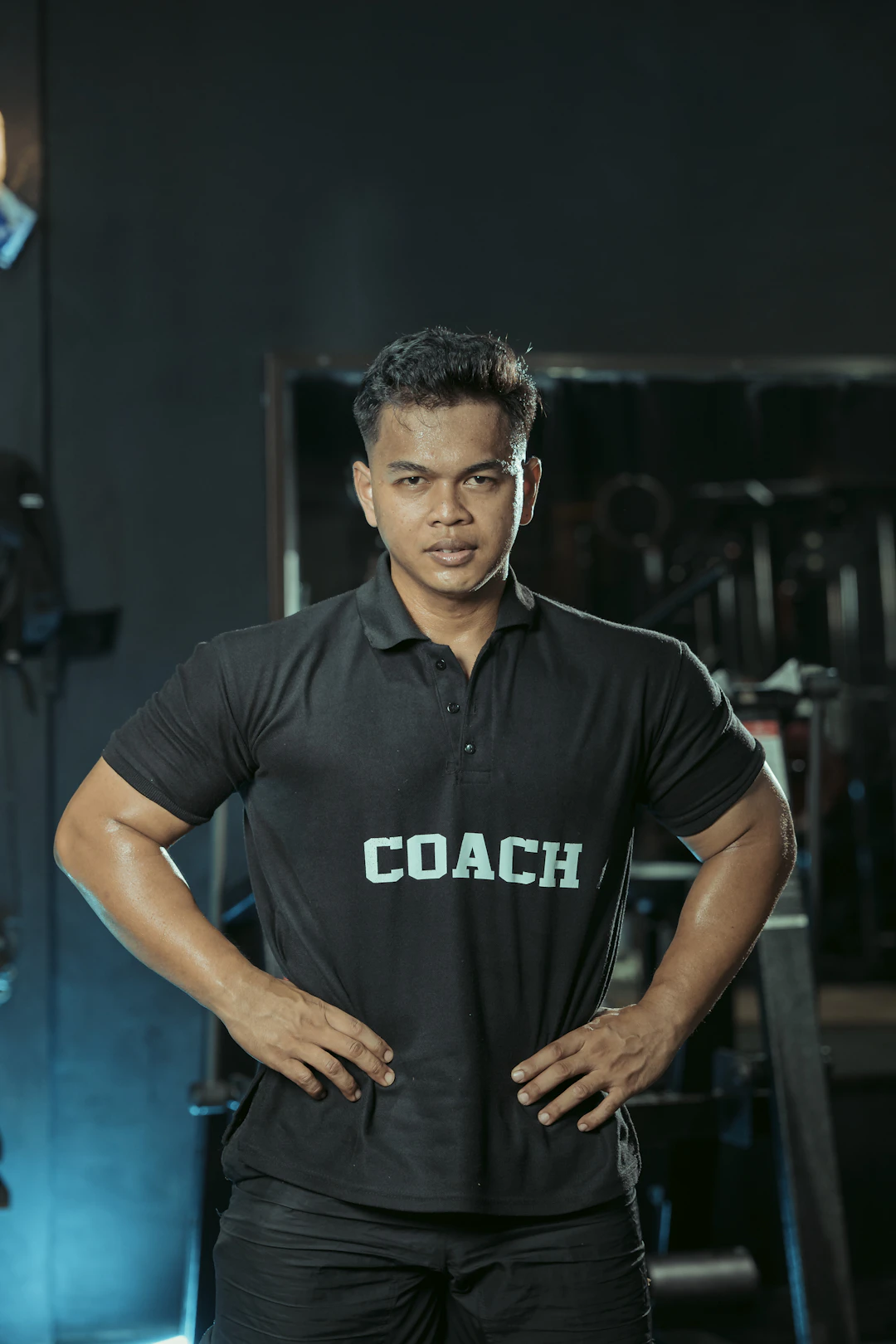
Coaches play a crucial role in the success of MMA athletes by developing skills, mental resilience, and nutritional strategies. The coach-athlete relationship, built on trust and communication, is essential for preparing fighters for competition. Coaches tailor training to individual needs, create effective fight plans, and foster a supportive environment, ultimately shaping champions in the sport. As MMA continues to evolve, the importance of coaching in athlete development remains central to future success in the UFC.
Contents
Understanding the Coach-Athlete Relationship
- Trust and Communication
Technical Skills Development
- Striking Techniques
- Grappling Techniques
Preparing for Competition
- Creating a Fight Plan
Mental Conditioning and Resilience
- Building Mental Toughness
Nutritional Guidance and Wellness
- Weight Management and Dietary Plans
Staying Informed: Following MMA News and Trends
The Role of Coaches in Community Building
- Mentorship and Guidance
Elevating Performance: The Impact of Coaching
- Mastering Skills and Building Reputation
Join the Journey: The Future of MMA Coaching
FAQs
- What is the role of coaches in MMA?
- How important is the coach-athlete relationship in MMA?
- What aspects do coaches focus on when preparing athletes for competition?
- How do coaches help with mental conditioning in MMA?
- What community role do coaches play in MMA?
Mixed Martial Arts (MMA) has become one of the most popular sports in recent years, with the UFC leading the charge in showcasing the incredible talent and skill of fighters around the globe. However, behind every successful MMA athlete, there is a dedicated coach shaping their skills, mindset, and approach to the fight game. This article dives deep into the essential role coaches play in developing MMA athletes and how their contributions often determine the outcome of MMA events.
Understanding the Coach-Athlete Relationship
The relationship between a coach and an MMA fighter is paramount. A good coach not only imparts technical skills and tactics but also establishes a bond of trust and respect that fosters an environment for growth. This relationship can often be the deciding factor in whether an athlete becomes a champion or falls short of their potential.
Trust and Communication
Effective communication between the coach and athlete is crucial. Coaches must accurately relay strategies and techniques while also listening to the athlete's concerns and feedback. By developing a robust communication line, coaches can better assess the strengths and weaknesses of their fighters, adapting training regimens accordingly to maximize their potential in the cage.
Technical Skills Development
The technical skills required in MMA are extensive and varied. A coach must focus on various disciplines, including striking, grappling, and submissions. Each fight requires a tailored strategy, and it is the coach's responsibility to equip their athletes with the appropriate skills to adapt to each opponent's strengths.
Striking Techniques
Boxing: Enhancing hand speed and power
Muay Thai: Mastering kicks and clinch work
Kickboxing: Combining techniques for versatility
These striking elements are crucial to success in the UFC. A fighter who is proficient in striking can capitalize on their opponent's weaknesses and potentially land significant blows that can change the course of a bout.
Grappling Techniques
Wrestling: Utilization of takedowns and control
BJJ (Brazilian Jiu-Jitsu): Submission holds and counter grappling
Judo: Throws and transitions
Ground game tactics and grappling techniques are equally as important. Coaches work tirelessly to ensure fighters are skilled in multiple disciplines, enabling them to dictate the pace and style of the fight.
Preparing for Competition
A significant aspect of a coach's role is preparing athletes for the high-pressure environment of competition. Fight preparation goes beyond just physical training; it encompasses mental fortitude, nutrition, and strategic planning. A strong coach will address all these factors to ensure their fighters perform at their peak during MMA events.
Creating a Fight Plan
An effective fight plan is a game changer. Coaches analyze an opponent's previous bouts, studying their fighting style to create a strategy that plays to the athlete's strengths. This preparation includes:
Analyzing fighter footage for weaknesses
Designing drills that simulate opponent styles
Developing counter-strategies for likely scenarios
By having a structured approach to plan for opponents, athletes can enter the Octagon with confidence, which is critical for success in high-level fights.
Mental Conditioning and Resilience
In MMA, the psychological aspect of fighting is equally significant as physical prowess. Coaches must ensure their fighters are mentally prepared to face opponents inside the UFC Octagon. The ability to stay calm and focused under pressure can often determine the outcome of the fight.
Building Mental Toughness
Fighting is as much about mental strength as it is about physical capabilities. Coaches utilize various techniques to help fighters develop resilience, such as:
Mental imagery practices to visualize success
Breathing exercises to enhance focus and reduce anxiety
Positive reinforcement to build self-efficacy
Equipping athletes with a strong mental toolkit prepares them to cope with the stresses and pressures of competition, giving them a competitive edge during fights.
Nutritional Guidance and Wellness
Nutrition plays a critical role in an MMA athlete's success. As fighters must often cut weight for bouts, coaches must also integrate nutritional guidance into their training regimens. Proper diet and hydration are essential for peak performance and recovery.
Weight Management and Dietary Plans
Coaches collaborate with nutritionists to craft meal plans that ensure fighters maintain energy levels while adhering to weight requirements. Nutritional strategies might include:
Meal prepping for optimal caloric intake
Managing hydration before and after weigh-ins
Utilizing supplements to aid recovery
By closely monitoring an athlete’s nutrition, coaches can help them maintain their physical condition, allowing them to focus on performance without burdens related to weight management.
Staying Informed: Following MMA News and Trends
The world of MMA is continually evolving, with MMA news influencing training methodologies and competitive strategies all the time. Coaches must stay informed about the latest developments in the sport, including:
Changes in rules and regulations
Breakthroughs in training techniques
Emerging trends in fighter preparation
Keeping up with fighter news and changes in the competitive landscape allows coaches to adapt strategies for their athletes, ensuring they remain competitive on fight night.
The Role of Coaches in Community Building
Beyond the individual training of fighters, coaches often play a crucial role in building community and unity within MMA gyms and teams. They foster environments that breed teamwork and support, benefiting athletes at every level.
Mentorship and Guidance
Coaches often act as mentors for their fighters, instilling values such as discipline, respect, and hard work. By providing a support system both inside and outside the gym, coaches can help young fighters navigate the complex world of mixed martial arts, offering advice on career decisions and personal development.
Elevating Performance: The Impact of Coaching
The influence of coaching extends far beyond tactical training; it can elevate the performance of an MMA athlete to new heights. Successful coaches play a role in every facet of a fighter's life, impacting their performance in the ring and their well-being outside of it.
Mastering Skills and Building Reputation
Through proper training, athletes can develop skills that not only help them secure wins in the Octagon but also build a reputation within the sport. A strong coach often has a knack for promoting their fighters, ensuring they get the necessary exposure to gain opportunities in high-stakes bouts. This tactical approach to managing an athlete's career can solidify a fighter's place in UFC history and build a fanbase eager for MMA events.
In addition, successful fighter-coach partnerships often yield top performances, with fighters emerging as champions, which can greatly influence the trajectory of a coach's career. As such, both athlete and coach share a vested interest in one another’s success.
Join the Journey: The Future of MMA Coaching
As the sport of MMA grows, so too does the role of coaches in developing top talent. By focusing on technical mastery, mental conditioning, and nutrition, coaches significantly influence the journey of MMA athletes, preparing them for the competitive landscape of the UFC.
The importance of their role cannot be overstated; coaches remain vital to shaping champions and ensuring that tomorrow’s MMA stars are well-equipped to face any challenge that lies ahead. As the landscape continues to evolve, staying informed about trends and adapting to new methodologies will be essential in yielding fighters who will dominate future MMA events.
As we look to the future of the sport, it’s essential to recognize that coaches are not just trainers; they are mentors, strategists, and the backbone of the MMA community, dedicated to crafting the next generation of champions.
FAQs
What is the role of coaches in MMA?
Coaches play a crucial role in developing MMA athletes by shaping their skills, mindset, and fight strategies, which often determine the outcome of fights.
How important is the coach-athlete relationship in MMA?
The coach-athlete relationship is paramount, as it fosters trust and respect, significantly influencing an athlete's potential to succeed.
What aspects do coaches focus on when preparing athletes for competition?
Coaches prepare athletes by addressing physical training, mental conditioning, nutrition, and creating tailored fight plans based on opponent analysis.
How do coaches help with mental conditioning in MMA?
Coaches utilize techniques such as mental imagery, breathing exercises, and positive reinforcement to build mental toughness and resilience in fighters.
What community role do coaches play in MMA?
Coaches foster community and teamwork within gyms, acting as mentors to instill discipline, respect, and support for fighters at all levels.