Overview
MMA's rise in popularity highlights the importance of psychological factors in competition. Success in the octagon depends on a fighter's mindset, confidence built through training, motivation from personal goals, and ability to handle pressure. Mental toughness and a supportive environment are crucial, while innovative mental conditioning techniques enhance performance. Understanding these psychological elements not only benefits fighters but also offers valuable life lessons for fans and individuals pursuing excellence.
Contents
Understanding the Mindset of MMA Fighters
- Building Confidence Through Training
- Motivation: Fueling the Fire
The Role of Pressure in Competition
- Strategies for Handling Pressure
The Competitive Edge: Psychological Warfare
- The Impact of Pre-Fight Builds
The Mental Toughness Required for Success
- Recovery and Comeback Stories
Creating a Supportive Environment
- The Importance of Team Dynamics
Innovative Approaches to Mental Conditioning
- Utilizing Modern Techniques
Incorporating the Spirit of Competition into Everyday Life
Final Thoughts: Embracing the Fight Within
Related Products
FAQs
- What is the main focus of the blog on the psychology of competition in MMA?
- How do MMA fighters build confidence according to the blog?
- What role does pressure play in MMA competition?
- How can fighters manage pressure during fights?
- What innovative approaches to mental conditioning are mentioned in the blog?
Mixed Martial Arts (MMA) has surged in popularity over the last two decades, drawing millions of fans to events around the globe. As a sport that combines different martial arts disciplines, it presents a unique intensity fueled not just by physical training but also by psychological warfare. Understanding the psychology of competition in MMA can provide fans and aspiring fighters with valuable insights into what it takes to succeed in the octagon.
Understanding the Mindset of MMA Fighters
The competitive landscape of MMA is both fierce and exhilarating. Fighters not only face physical challenges but also significant mental hurdles. A fighter's mindset can greatly influence their performance, affecting everything from their training regimen to their strategy during fights. The psychological aspect includes various factors such as self-confidence, motivation, and the ability to handle pressure.
Building Confidence Through Training
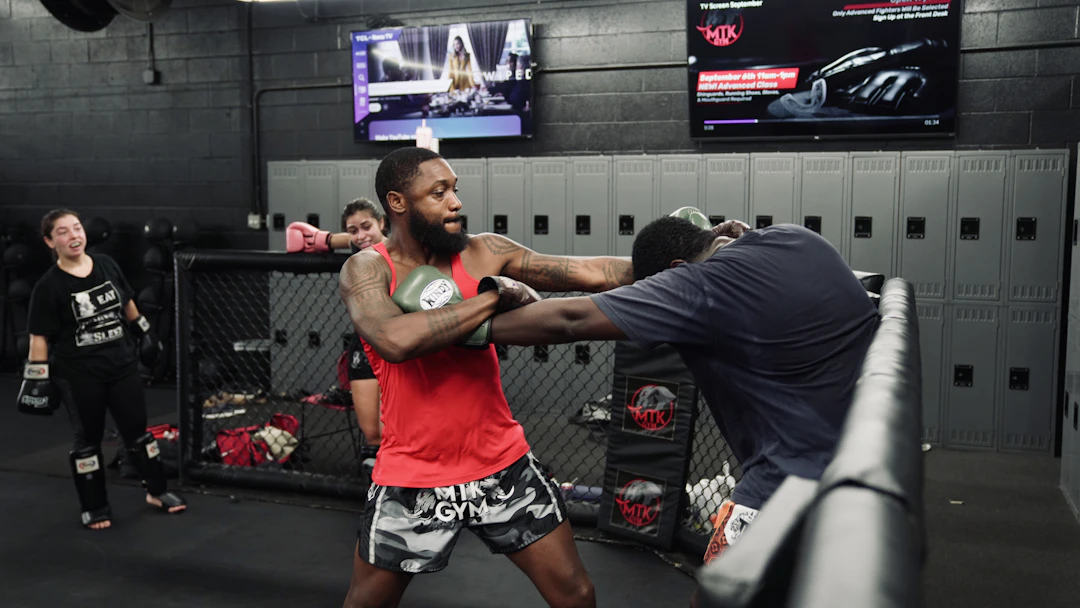
Confidence is a significant contributor to a fighter's success inside the octagon. Training plays an essential role in building this confidence. Fighters often use a combination of sparring, drills, and highly specialized training to prepare themselves for different opponent styles. Each successful training session helps reinforce their belief in their abilities.
Additionally, mental conditioning techniques, including visualization and positive self-talk, help to foster a winning attitude. When fighters visualize their success in the octagon, they are conditioning their minds to perform well under pressure. This can be particularly valuable during high-stakes MMA events, where anxiety can easily overwhelm even the most seasoned professionals.
Motivation: Fueling the Fire
Motivation is another key psychological element in MMA. Fighters often draw motivation from personal goals and the desire to prove themselves. This can stem from various sources, such as family history, personal struggles, or the thrill of competition. For many fighters, the relentless pursuit of success and recognition drives them to train harder and push their limits.
Moreover, the impact of fighter news on motivation cannot be underestimated. The media plays a crucial role in shaping a fighter's public persona and can influence their psychological state. Positive coverage can act as a morale boost, while negative media scrutiny might compel fighters to prove their detractors wrong.
The Role of Pressure in Competition
Pressure is an inevitable part of competing in MMA. Every match holds the potential for victory or defeat, and the stakes can never be higher. Fighters often face the pressure of fan expectations, potential sponsorship deals, and their own ambitions. How they manage this pressure can determine their success or failure in high-stakes situations.
Strategies for Handling Pressure
Successful fighters employ various strategies to manage pressure effectively. One common approach is focusing on the fight itself rather than external factors. By concentrating solely on their training and strategy, fighters can minimize distractions that can lead to anxiety or self-doubt. Deep breathing techniques, meditation, and mental rehearsals also play a role in helping fighters maintain their composure during critical moments.
The ability to perform well under pressure is a defining characteristic of elite fighters. Many notable MMA champions have demonstrated this capability time and again, whether it's during a championship fight or while facing an aggressive opponent. The journey of becoming a resilient fighter is worth exploring, as it reflects the broader struggle that all fighters face in the octagon.
The Competitive Edge: Psychological Warfare
In the world of MMA, competition extends beyond just physical prowess. The psychological aspects of combat can provide a crucial competitive edge. Fighters often engage in psychological tactics to gain an advantage over their opponents. This can include trash talk, mind games, and even intimidation tactics aimed at unsettling the opponent's mental state.
The Impact of Pre-Fight Builds
The pre-fight atmosphere often builds tension and anticipation for fans and fighters alike. Fighters frequently engage in media appearances, promotional events, and press conferences that can subtly manipulate the psychological dynamics of competition. This aspect of MMA needs deep understanding, as an athlete's mental fortitude can be pushed to the limit even before they step foot in the octagon.
For example, a fighter who stays calm and collected during intense media situations may appear more formidable than a visibly anxious opponent. This psychological advantage often spills over into the fight itself, affecting not only their performance but also the perceptions of the audience.
The Mental Toughness Required for Success
Mental toughness is an essential trait for anyone in the MMA sphere. It encompasses resilience, the ability to adapt, and perseverance in the face of adversity. Successful fighters exhibit this characteristic through their responses to setbacks and challenges, such as losing a fight or suffering an injury.
Recovery and Comeback Stories
Drama unfolds regularly in MMA, with many fighters enduring significant obstacles before achieving victory. Stories of resilience in the face of defeat are inspiring and serve as valuable lessons for aspiring competitors. The journey from attempting a comeback after a setback to thriving again can provide insight into the psychological strategies that athletes use.
To learn more about the resilience in MMA, consider reading stories such as Famous MMA Comebacks: Stories of Resilience. This article delves into how the psychological aspect contributes to the journey of fighters facing adversity.
Creating a Supportive Environment
Psychological well-being in MMA is significantly affected by the environment surrounding a fighter. Coaches play a pivotal role in shaping a fighter's mentality. The support a coach provides, from training strategies to mental fortitude, greatly influences the athlete's performance. Whether during intense training sessions or critical fight nights, the coach-athlete relationship is often the cornerstone of a fighter's success.
The Importance of Team Dynamics
In MMA, fighters often rely on their teammates for encouragement and support. The camaraderie built in training is vital, as it fosters a positive atmosphere where athletes can thrive. Fighters tackle the psychological stresses of competition together, allowing them to develop their mental strength in a team setting. This dynamic becomes especially important during preparation for major events, where morale can mean the difference between success and failure.
Innovative Approaches to Mental Conditioning
The world of sports is continuously evolving, and mental conditioning has become a significant focus for many MMA gyms. Innovative approaches to training that include psychological preparation tactics are becoming commonplace as fighters strive to gain that extra edge.
Utilizing Modern Techniques
Modern mental conditioning techniques such as cognitive behavioral therapy (CBT) are gaining traction within the MMA community. Through CBT, fighters can learn to tackle negative thoughts, manage stress, and improve their focus in the octagon. This approach not only enhances their performance but also contributes to their overall mental health.
As the understanding of the psychological components of MMA deepens, fighters are finding ways to integrate these insights into their training, thus paving the way for future generations of competitors.
Incorporating the Spirit of Competition into Everyday Life
The lessons learned from understanding the psychology of competition in MMA extend beyond the octagon; they can be applied in everyday life. The same mental preparation strategies that fighters use can benefit individuals in various scenarios, from personal challenges to professional pursuits.
For fans, immersing themselves in the atmosphere of MMA events can be incredibly motivating. Wear your Victory Pullover Hoodie and feel the energy that comes with being a part of the community. Alongside this, consider the Octagon Arena Print as a reminder of the competitive spirit that drives not only fighters but all individuals striving for excellence.
Final Thoughts: Embracing the Fight Within
In conclusion, the psychology of competition in MMA presents a rich tapestry of mental challenges and triumphs. As fans and athletes, understanding this intricate mental game can enhance our appreciation for the sport. Whether it's embracing the pressure of competition or learning from the mental toughness displayed by fighters in the octagon, there is much to gain from these experiences. As we continue to follow MMA news and fighter news, let’s keep in mind the critical role that psychology plays in the heart of every fighter's journey.
Explore these products to enhance your MMA experience. Fighter Silhouette Metal Art and Octagon Arena Print.
Related Products
Fighter Silhouette Metal Art - £110.00 - A laser-cut metal wall art piece featuring the silhouette of a fighter in a dynamic pose, finished with a matte black powder coating for a sleek, mod...
Octagon Arena Print - £90.00 - A high-quality art print on durable canvas depicting an empty MMA octagon under dramatic spotlighting, evoking the intensity and anticipation of a fi...
Victory Pullover Hoodie - £75.00 - A soft, mid-weight fleece hoodie designed for warmth and comfort, featuring a minimalist embroidered logo on the chest and a subtle graphic print on...
FAQs
What is the main focus of the blog on the psychology of competition in MMA?
The blog explores the psychological aspects that influence MMA fighters, including mindset, confidence, motivation, and the ability to handle pressure.
How do MMA fighters build confidence according to the blog?
MMA fighters build confidence through training, which includes sparring, drills, and mental conditioning techniques like visualization and positive self-talk.
What role does pressure play in MMA competition?
Pressure is an inevitable part of MMA competition, impacting fighters through fan expectations, potential sponsorships, and their personal ambitions.
How can fighters manage pressure during fights?
Fighters can manage pressure by focusing on the fight itself, employing mental techniques like deep breathing, meditation, and mental rehearsals.
What innovative approaches to mental conditioning are mentioned in the blog?
The blog mentions the use of modern mental conditioning techniques such as cognitive behavioral therapy (CBT) to help fighters manage negative thoughts and improve focus.