Overview
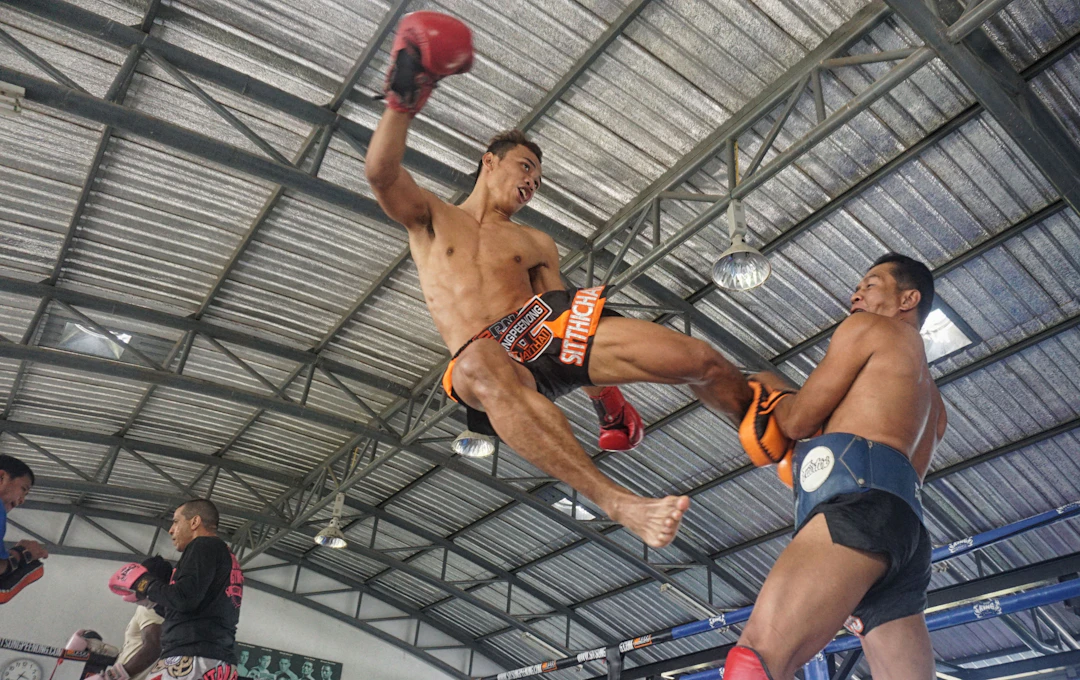
Training camps are essential for MMA fighters, providing structured environments for skill development, physical conditioning, strategic planning, and mental preparation. They have evolved to include advanced technology, specialized training, and nutrition support. Key components like sparring and psychological conditioning are crucial for success, while modern trends like cross-training and virtual accountability are shaping the future of training. Overall, the intensity and dedication in training camps are vital in preparing fighters for the challenges of the octagon.
Contents
The Fundamentals of a Training Camp
Create an Effective Training Environment
The Evolution of Training Camps
The Role of Sparring in Training Camps
The Psychological Battle of Training Camps
The Importance of Nutrition in Training Camps
Shaking Up the Game: Modern Training Camp Trends
The Financial Aspect of Training Camps
A Fighter's Journey: Building Towards the Fight Night
Ready, Set, Go! The Excitement of Fight Night
Unlocking the Secrets of Success in MMA
FAQs
- What is the purpose of a training camp in MMA?
- How long do training camps typically last?
- What types of training occur in a training camp?
- What role does nutrition play in training camps?
- How have training camps evolved over time in MMA?
For both aspiring fighters and seasoned veterans, training camps are the heart and soul of mixed martial arts (MMA). These organized training endeavors not only sharpen skills but also play a crucial role in preparing fighters for significant bouts, especially at highly competitive platforms like the UFC. From conditioning to strategy, let's explore the multifaceted nature of training camps and their irreplaceable contributions to the world of fighting. Whether you're seeking the latest mma news or simply interested in fighter news, understanding training camps is vital.
The Fundamentals of a Training Camp
A training camp typically spans several weeks or months leading up to an mma event. These are structured environments where fighters dive deep into rigorous training regimens tailored to develop their skills, enhance physical fitness, and hone their mental fortitude. But what precisely happens in these camps? Let's break it down:
Skill Development: Fighters focus on refining different martial arts skills, from striking techniques like boxing and Muay Thai to grappling and submissions found in Brazilian Jiu-Jitsu (BJJ) and wrestling.
Strength and Conditioning: Physical fitness is paramount in the ring. Training camps prioritize strength training, cardiovascular workouts, and flexibility to ensure fighters have the endurance to last through grueling fights.
Strategic Planning: Analyzing opponents and developing strategies often plays a crucial role in success. Coaches take time to study fight tapes and formulate game plans tailored specifically to the fighter's next opponent.
Recovery and Injury Prevention: Injuries are all too common in sports, especially in contact sports like MMA. Training camps implement recovery protocols, including physiotherapy and proper nutrition, to keep fighters healthy.
Mental Preparation: Mental resilience is vital. Training camps often include psychological training to help fighters cope with the pressure of mma events and performance anxiety.
Create an Effective Training Environment
Not every gym can cater to the needs of fighters in training camps. An effective training environment features various elements that promote success:
Qualified Coaching Staff: Experienced coaches who have a background in competitive fighting can provide valuable insights and tailored advice for fighters training for their upcoming bouts.
Supportive Team and Sparring Partners: A good training camp encourages camaraderie among fighters and fosters a supportive atmosphere. Having training partners who can mimic an opponent’s style can significantly benefit fight preparation.
Access to Specialized Training: Camps should offer varying forms of training, including boxing, grappling, kickboxing, and more, to provide rigorous and diverse skill acquisition.
Nutrition Support: Proper nutrition is key to a fighter's performance. Access to nutritionists who understand weight management and proper dietary needs is essential during training camps.
The Evolution of Training Camps
Training camps have evolved over the years, particularly with the rise of the UFC and the explosion of the sport's popularity. Early training environments for MMA were often informal and lacked structure. However, as MMA gained traction, the format of training camps became more organized and professional. This evolution has introduced new methodologies and technology to analyze performance and improve training results:
Technology Integration: Fighters today use advanced technology for performance analysis, including wearable devices to track heart rate, calorie burn, and other vital statistics.
Increased Focus on Recovery: Enhanced understanding of recovery methods like cryotherapy and massage therapy ensures that fighters can maintain their peak performance without succumbing to injury.
Scientific Training Methods: Many training camps have started adopting sports science approaches to optimize training regimens and conditioning protocols, thereby improving fight readiness.
The Role of Sparring in Training Camps
Sparring is one of the most critical components of training camps. It allows fighters to apply techniques in a more controlled, dynamic setting. Here are a few reasons why sparring is invaluable:
Realistic Practice: Sparring provides an environment where fighters can test their skills against a live opponent, making it indispensable for honing techniques.
Adapting Strategies: During sparring sessions, fighters can practice various strategies to see which works best against an opponent’s style, assisting in game plan formation for upcoming fights.
Building Experience: The more fighters spar, the more comfortable they become with reading their opponents, managing distance, and understanding timing.
Injury Risk Awareness: Sparring helps fighters develop awareness of what movements may lead to injury, helping them mitigate risks in crucial moments during real fights.
The Psychological Battle of Training Camps
Fighting is as much a mental game as it is a physical one. The psychological aspect of training camps cannot be overlooked. Here are some core elements:
Mental Conditioning: Mental toughness can be developed through visualization techniques, mindfulness training, and cognitive strategies that allow fighters to focus under pressure.
Building Confidence: As fighters improve their skills and gain experience through rigorous training, they build confidence in their own abilities, crucial for performing well during fights.
Stress Management: Dealing with pre-fight jitters is part of every fighter's journey. Training camps often equip fighters with tools to manage anxiety effectively.
The Importance of Nutrition in Training Camps
Nourishment is a vital factor in any fighter’s success during training camps. Proper nutrition impacts energy levels, recovery, and overall performance:
Custom Meal Plans: Fighters often work with nutritionists to create tailored meal plans that provide the right balance of macronutrients for optimal performance.
Weight Management: For many, especially those competing in the UFC, weight classes are pivotal. A well-structured training camp assists fighters in managing their weight in a healthy way.
Staying Hydrated: Hydration levels dictate how well a fighter performs. Training camps stress the importance of proper fluid intake to maintain peak athleticism.
Shaking Up the Game: Modern Training Camp Trends
In recent years, training camps have embraced innovative trends that cater to the ever-evolving landscape of MMA. Keeping up with modern trends is necessary to remain competitive:
Cross-Training: Fighters are increasingly engaging in cross-training outside of traditional martial arts to diversify their skillsets. Incorporating disciplines like yoga, pilates, and even dancing can enhance flexibility and coordination.
Virtual Accountability: With the rise of technology, fighters can now utilize apps and online coaching platforms to keep their training on track, regardless of their location.
Joint Camps: Some fighters are opting for joint camps, training alongside other competitors to simulate the challenges presented in live fights more closely.
The Financial Aspect of Training Camps
The costs associated with training camps can be substantial, but the investment often pays off for both fighters and coaching staff. Comparing the financial breakdown involved provides insight into how far different fighters may go to claim victory:
Coaching Fees: Experienced coaches often come with a price tag that reflects their success and expertise within the MMA community.
Facility Costs: High-quality training facilities with specialized equipment are essential for tailored preparation.
Nutrition and Recovery: Additional expenses for nutritionists, physiotherapists, and recovery equipment can increase the overall expenditure concerning a training camp.
A Fighter's Journey: Building Towards the Fight Night
As the training camp outreach approaches, anticipation builds for both the fighters and their fans. Each training session, sparring match, and cardio drill leads up to the highly awaited moment—the fight night. Here's how the final few days often unfold:
Winding Down Intensity: As the fight date approaches, training gradually shifts to tapering down the intensity while maintaining focus and sharpness.
Weight Cutting: The days leading up to the fight often involve significant weight management, with strict dieting and hydration plans in place.
Mental Focus: Final preparations are just as mental as they are physical. Visualization exercises and strategy discussions are crucial during this time.
Ready, Set, Go! The Excitement of Fight Night
When the day of the fight finally arrives, the culmination of all the hard work put in during the training camp becomes evident. Every sacrifice, late-night drill, and early-morning run leads to this moment where a fighter will step into the octagon to face their opponent.
The energy is palpable as fans tune in, searching for the latest mma news and fighter news, anticipating a thrilling showdown. Success or failure—it all rests on the preparation established in the training camp.
For every fighter, the objective remains the same: to showcase talent, strategy, and resolve while battling in one of the world's most electrifying sports. So, the next time you hear the buzz surrounding an upcoming mma event, remember the integral role that training camps play behind the scenes, refining raw talent into polished champions.
Unlocking the Secrets of Success in MMA
In the world of MMA, success is not fleeting. It’s built on the foundation laid during intense training camps. As we observe champions rise and stories unfold at prestigious events like the UFC, it’s essential to appreciate the dedication, sacrifice, and strategic rigor that training camps embody. From cultivating technical prowess to instilling mental resilience, each aspect of these camps contributes to producing elite fighters ready to take on the challenges of the octagon. Whether you're training to compete or simply a fan interested in the ins and outs of the sport, there's always more to learn about the powerful role of training camps in shaping the fighters we admire. Keep an eye out for what comes next in the world of MMA—exciting developments are always just around the corner!
FAQs
What is the purpose of a training camp in MMA?
The purpose of a training camp in MMA is to provide structured training that sharpens fighters' skills, enhances physical fitness, and prepares them mentally for upcoming bouts.
How long do training camps typically last?
Training camps typically last several weeks or months leading up to an MMA event.
What types of training occur in a training camp?
Training camps focus on skill development, strength and conditioning, strategic planning, recovery and injury prevention, and mental preparation.
What role does nutrition play in training camps?
Nutrition is vital in training camps as it impacts energy levels, recovery, and overall performance through custom meal plans and hydration management.
How have training camps evolved over time in MMA?
Training camps have evolved to become more organized and professional, incorporating technology, enhanced recovery methods, and scientific training approaches.