Overview
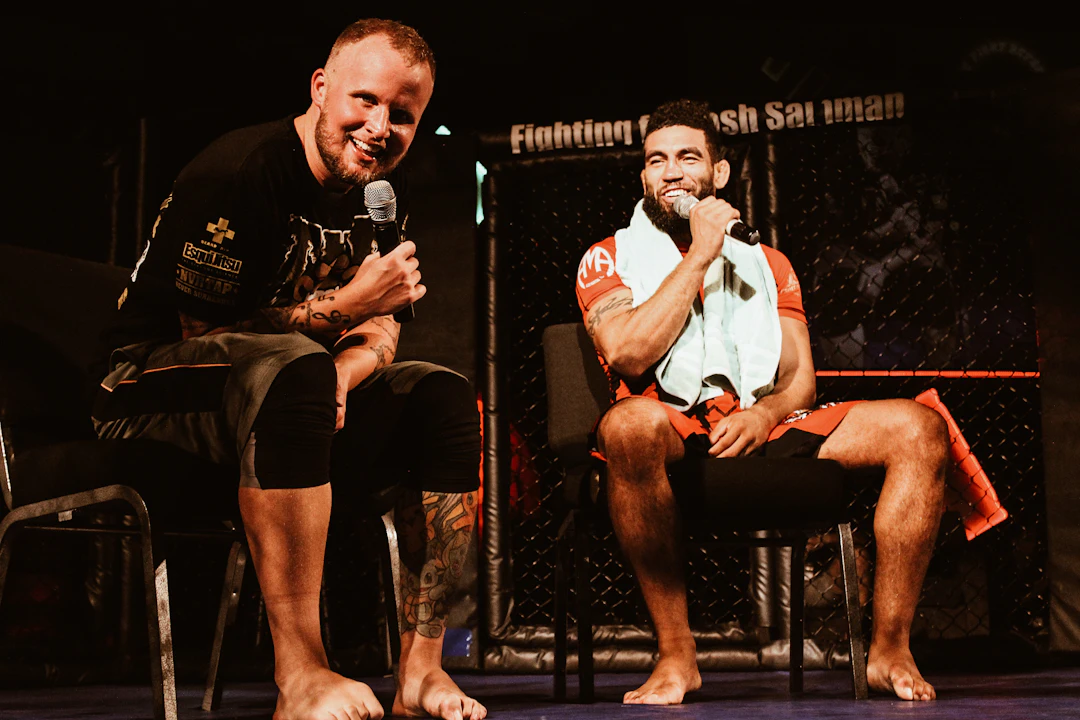
Commentators and analysts play a crucial role in MMA broadcasts, enhancing viewer experience by providing real-time updates, strategic insights, and emotional engagement. Their expertise helps fans understand the intricacies of the sport while fostering a sense of community. With evolving technology and a focus on credible analysis, these professionals shape how we appreciate MMA and celebrate its fighters.
Contents
The Informative Power of Commentary
Bringing the Fight to Life
The Role of Analysis
The Evolution of MMA Commentary
Establishing Credibility and Respect
Building a Community through Insightful Discussion
Preparing Commentators and Analysts for Success
Lights, Camera, Action!
Related Products
FAQs
- What is the role of commentators in MMA broadcasts?
- How do analysts enhance the viewing experience during MMA fights?
- What skills are necessary for becoming a successful MMA commentator or analyst?
- How do commentators build engagement with the MMA community?
- Why is credibility important for MMA commentators and analysts?
In the fast-paced world of MMA, where every second counts and every punch can turn the tide of a match, the role of commentators and analysts becomes pivotal. Their expertise not only enhances the viewing experience but also educates fans about the intricacies of the sport. As UFC events continue to capture the world's attention, the contributions of these vocal professionals often go unrecognized. This article explores their importance, skillsets, and the impact they have on MMA broadcasts.
The Informative Power of Commentary
At the heart of any live MMA broadcast is the commentary team. Comprising play-by-play announcers and color commentators, these professionals are responsible for guiding the viewing audience through the complexities of each fight. Their roles can be dissected into two main categories:
Play-by-Play Announcer: This commentator provides real-time updates, describing the action as it unfolds. Their job is to ensure that viewers who may not be familiar with fighting terminology can follow along seamlessly.
Color Commentator: This analyst adds depth to the broadcast by sharing insights, strategies, and background information about the fighters. Their knowledge allows them to interpret actions in the octagon, informing viewers about what’s at stake.
For instance, during intense moments, a skilled play-by-play announcer can build the tension, while the color commentator elucidates the potential outcomes based on the fighters’ techniques. This dynamic not only keeps the audience engaged but elevates the excitement of MMA events.
Bringing the Fight to Life
The ambiance of an MMA fight is intensified by the commentators’ passion and enthusiasm. The capacity to convey emotions—fear, exhilaration, and anticipation—through their voices is a talent that very few possess. When a fighter lands a significant blow or attempts a daring submission, the commentator's reaction can amplify that emotion for the viewer. Their job is to make the audience feel as if they are part of the action, witnessing the fight firsthand.
Moreover, commentators offer additional layers of engagement through personal anecdotes and fighter backgrounds. This information can include: - Previous fight histories - Relevant training regimens - Personal rivalries and relationships in the sport
By mentioning up-to-date MMA news and fighter updates, they help viewers appreciate the significance of the fight in the broader context of the sport. Fans can learn about the stakes involved and any title implications while also following their favorite fighters more closely.
The Role of Analysis
Analysts play a crucial role in enhancing the tactical understanding of viewers. During and after fights, they break down key moments, explaining:
What techniques were effective
Why certain strategies were employed
The overall game plan of the fighters
This analytical breakdown not only gives fans a greater appreciation of the skillset required in MMA but also helps aspiring fighters learn what they need to improve. Through educational segments, viewers gain insight into fight strategies, which can be encapsulated in discussions surrounding the latest fighter news.
The Evolution of MMA Commentary
As the sport has exploded in popularity, communications and broadcasting strategies have naturally evolved. Analysts now use advanced technologies, such as video replays and on-screen graphics, to aid in their analyses. This provides viewers with a supplementary visual narrative, showcasing the effectiveness of different techniques during MMA events.
For example, split-screen technology can highlight the contrasting fighting styles of two competitors, while slow-motion replays can demonstrate the precision of a knockout punch or a slick submission attempt. Analysts take advantage of these tools to provide deeper insights, making broadcasts richer and more informative.
Establishing Credibility and Respect
For commentators and analysts, credibility is vital. They are often former fighters, coaches, or experts in martial arts, bringing firsthand experience that bolsters their commentary. Their ability to discuss a fight’s strategy or critiquing fighters' performances comes from a place of knowledge and respect for the sport. This form of authority, paired with a charismatic delivery style, makes them credible figures in the MMA community.
For example, commentators may reference their experiences in grappling and striking disciplines, allowing them to provide authentic evaluations of the fighters' performances. When they provide fighter profiles and background information, viewers recognize the depth of understanding and respect that these professionals have for the athletes and the sport itself.
Building a Community through Insightful Discussion
The commentary team serves as the bridge between the fighters and the fans, nurturing a sense of community. Online forums and social media platforms are alive with followers discussing fights and eager to share their insights based on what they’ve watched. These analytical discussions are often fueled by the commentators' insights during the broadcast.
In recent years, networks have also introduced interactive elements into broadcasts, enabling fans to engage in real-time discussions and polls. This engagement takes commentary a step further, allowing fans to have their voices heard and opinions shared, often amplifying discussions originating from the broadcast. The accessibility of this dialogue helps maintain a vibrant and engaged fanbase that continues to grow.
Preparing Commentators and Analysts for Success
Becoming a successful commentator or analyst in the world of MMA requires a unique set of skills. Those interested in pursuing this career often focus on developing the following:
Knowledge of Techniques: A deep understanding of various fighting styles, strategies, and techniques is crucial. Continuous study of MMA news and developments in the sport is also essential.
Communication Skills: The ability to articulate thoughts clearly and concisely, while capturing the excitement of a fight, is paramount.
Ability to Connect: Commentators and analysts must connect emotionally with viewers, drawing them into the excitement and drama of the event.
Such skills are often honed through training, experience, and a personal passion for the sport. Many aspiring commentators may find themselves working on local fight promotions or online platforms, gradually building their resume before stepping into the larger arena of mainstream broadcasts.
Lights, Camera, Action!
The spotlight on commentators and analysts may not always shine as brightly compared to the fighters they cover, but their impact is undeniable. They shape how fans experience and appreciate MMA broadcasts. The excitement they bring, the insights they provide, and the community they foster enhance the sport as a whole.
As fans, we should be grateful for these unsung heroes of the octagon. The next time you tune in for an action-packed UFC event, take a moment to acknowledge the passion, expertise, and hard work that commentators and analysts bring to the table. Their role in shaping our understanding of this sport is invaluable. With every punch thrown and every submission attempted, they enrich our experience in the dynamic world of MMA.
So, as we look towards the future of MMA broadcasts, let us celebrate the talent and contributions of those who keep us informed and entertained. Whether it’s through immersive visuals or razor-sharp analyses, these commentators are essential in creating unforgettable experiences for fans across the globe. And if you’re looking to show your passion for the sport, consider proudly displaying our Octagon Arena Print—a true symbol of the fierce battles that define MMA. Additionally, don’t forget to gear up in our comfortable Victory Pullover Hoodie while cheering on your favorite fighters!
Related reading: Mma Fighter Lifestyle, Ufc Events.
Explore these products to enhance your MMA experience. Octagon Arena Print and Victory Pullover Hoodie.
Related Products
Octagon Arena Print - £90.00 - A high-quality art print on durable canvas depicting an empty MMA octagon under dramatic spotlighting, evoking the intensity and anticipation of a fi...
Victory Pullover Hoodie - £75.00 - A soft, mid-weight fleece hoodie designed for warmth and comfort, featuring a minimalist embroidered logo on the chest and a subtle graphic print on...
Champion Belt Replica - £150.00 - A decorative replica championship belt crafted from faux leather and polished metal plates, featuring intricate embossing and adjustable side straps...
FAQs
What is the role of commentators in MMA broadcasts?
Commentators are responsible for guiding the viewing audience through the complexities of each fight, providing real-time updates and insights about the fighters and their strategies.
How do analysts enhance the viewing experience during MMA fights?
Analysts enhance the viewing experience by breaking down key moments in fights, explaining effective techniques and strategies, and providing a tactical understanding of the match.
What skills are necessary for becoming a successful MMA commentator or analyst?
Key skills include a deep knowledge of fighting techniques, effective communication skills, and the ability to emotionally connect with viewers.
How do commentators build engagement with the MMA community?
Commentators build engagement by fostering discussions among fans through their insights during broadcasts and creating interactive elements that allow real-time fan participation.
Why is credibility important for MMA commentators and analysts?
Credibility is crucial because it comes from their firsthand experience as former fighters or coaches, which allows them to provide authentic evaluations of fights and a deep understanding of the sport.