Overview
MMA has evolved into a mainstream sport, combining various martial arts styles such as Brazilian Jiu-Jitsu, Muay Thai, wrestling, and boxing. Understanding these techniques, along with the importance of conditioning and adaptability, is essential for both fighters and fans. Notable fighters like Royce Gracie, Conor McGregor, and Khabib Nurmagomedov highlight the effectiveness of different styles. As the sport grows, aspiring fighters are encouraged to explore diverse techniques and develop their unique training regimens.
Contents
The Origins and Evolution of MMA
Understanding Different Martial Arts Styles
Striking Techniques in MMA
Grappling Techniques in MMA
The Importance of Conditioning and Strategy
Integrating Styles: A Fighter’s Adaptability
Notable Fighters and Their Styles
Building Your MMA Future
Related Products
FAQs
- What is MMA and how has it evolved?
- What are the main styles of martial arts used in MMA?
- What striking techniques are commonly used in MMA?
- How important is conditioning and strategy in MMA?
- Why is adaptability important for MMA fighters?
Mixed Martial Arts, commonly known as MMA, has taken the sporting world by storm. With the growth of organizations like the UFC, MMA has transitioned from a niche interest to a mainstream phenomenon. As fans become increasingly invested in MMA events, understanding the different styles and techniques that make up this complex sport becomes essential. In this article, we will delve deep into the world of MMA, exploring its various styles, techniques, and what makes it such an enthralling sport.
The Origins and Evolution of MMA
The history of MMA can be traced back to ancient martial arts, where fighters tested their skills against one another in unregulated environments. The modern understanding of MMA began to evolve in the early 1990s with the introduction of the Ultimate Fighting Championship (UFC). This innovative platform showcased fighters from different martial arts backgrounds, each employing unique tactics and techniques.
As MMA grew, it began to incorporate various fighting styles including Brazilian Jiu-Jitsu, Muay Thai, wrestling, and boxing. Each of these styles contributes its strengths and weaknesses, making the outcomes of fights both unpredictable and exciting. Fans keep up with the latest fighter news and insights into how these styles are employed in practice.
Understanding Different Martial Arts Styles
MMA is a melting pot of various martial arts, each bringing something unique to the octagon. Here are some of the most prominent styles:
Brazilian Jiu-Jitsu (BJJ): Originating from traditional Japanese jujutsu, BJJ focuses on ground fighting and submission holds. It allows a smaller person to defend themselves against a larger attacker using leverage and technique.
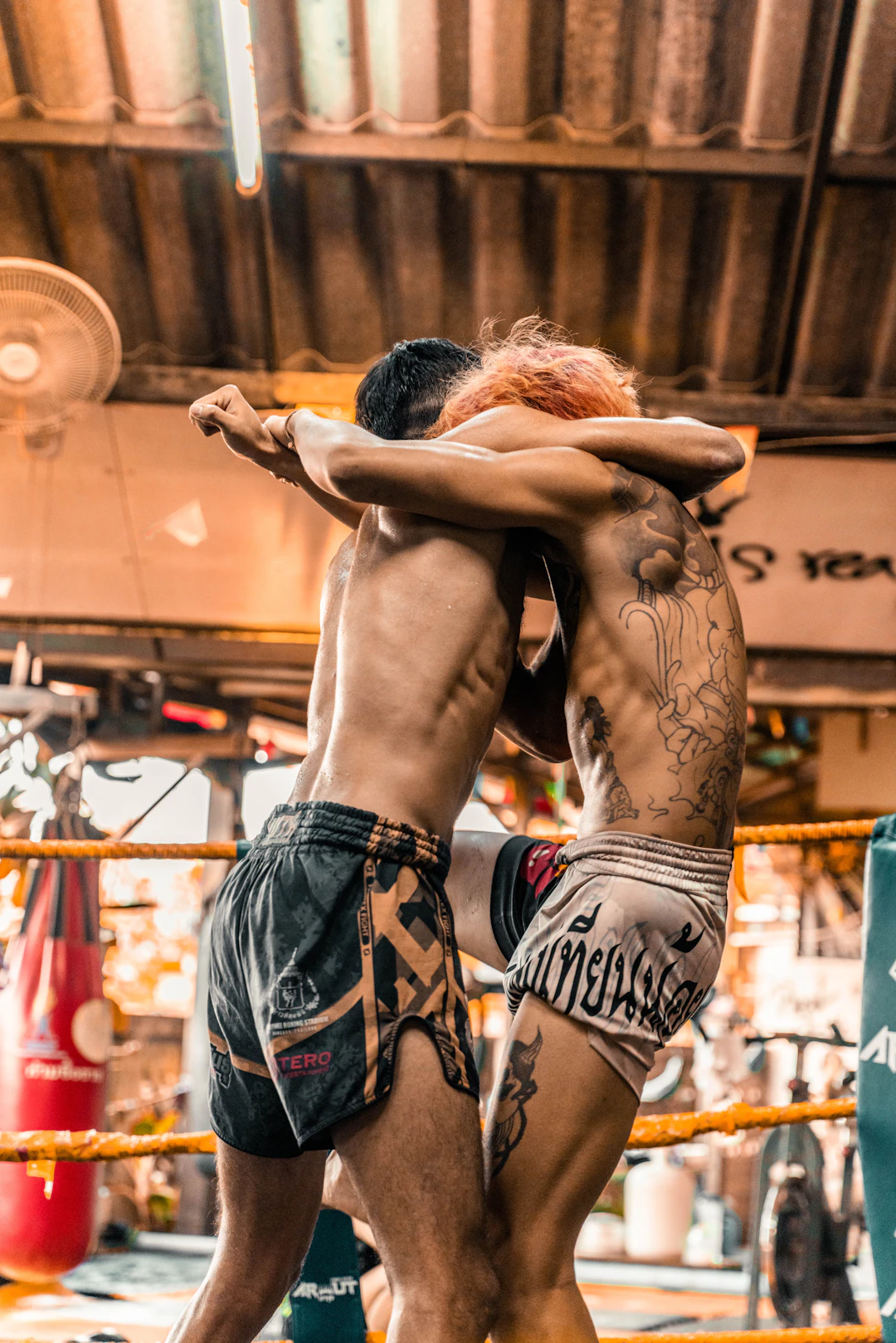
Muay Thai: Known as the "Art of Eight Limbs," this striking art utilizes punches, kicks, elbows, and knee strikes. Its clinch fighting techniques also make it incredibly effective in both stand-up and ground situations.
Wrestling: Wrestling techniques play a critical role in MMA. Wrestlers often dominate in takedowns and ground control, allowing them to dictate the pace of a fight. Many fighters come from Greco-Roman or freestyle wrestling backgrounds.
Boxing: A fundamental striking art, boxing emphasizes footwork, head movement, and powerful punches. Many MMA fighters have a strong boxing foundation, which they integrate into their striking repertoire.
Kickboxing: Kickboxing blends traditional boxing with kicks from other martial arts, offering a versatile striking option that many fighters utilize effectively.
Striking Techniques in MMA
Striking is a crucial component of MMA, and different techniques can be employed from various martial arts backgrounds. These include:
Punches: Basic punches like jabs, crosses, hooks, and uppercuts form the foundation of striking in MMA. Proficient boxers often execute these with high accuracy and power.
Kicks: Kicks serve as both offensive and defensive tools. Techniques such as roundhouse kicks, front kicks, and low kicks can disrupt an opponent's rhythm.
Elbows and Knees: Utilizing elbows and knees is particularly effective in close-range fighting. These strikes can be devastating and often surprise opponents during clinch situations.
Grappling Techniques in MMA
Grappling involves controlling an opponent on the ground and looking to submit, position, or strike. Key grappling techniques include:
Takedowns: Wrestlers often execute takedowns to bring the fight to the ground, which can be an advantageous position for scoring points or attempting submissions.
Submissions: BJJ practitioners often look for submission attempts like armbars, triangles, and chokes to force their opponents to tap out.
Positions: Understanding various positions such as mount, guard, and side control is vital for effective grappling. Each position offers different opportunities for strikes or submissions.
The Importance of Conditioning and Strategy
Alongside striking and grappling, conditioning and strategy are critical aspects of success in MMA. Fighters must maintain peak physical fitness not only to endure long fights but also to execute techniques effectively. Conditioning methods may include:
Cardio: Endurance training enhances a fighter’s ability to maintain energy throughout the fight. Common methods include running, cycling, and high-intensity interval training (HIIT).
Strength Training: Building overall strength and core stability can significantly impact a fighter's performance, especially during grappling exchanges.
Flexibility and Recovery: Flexibility can improve a fighter's range of motion, while proper recovery techniques (such as stretching and physiotherapy) help prevent injuries.
Integrating Styles: A Fighter’s Adaptability
One of the most fascinating aspects of MMA is the adaptability of fighters. Many successful fighters develop a style that integrates techniques from various martial arts. For instance, a fighter may utilize BJJ for grappling while employing Muay Thai striking. This cross-training allows them to surprise opponents with unexpected strategies during a match.
Keep an eye on the latest mma news for insights into how fighters adapt their styles leading up to bouts. It’s this adaptability that keeps fans engaged and force them to continuously re-evaluate their strategies and performances.
Notable Fighters and Their Styles
Throughout MMA history, numerous fighters have gained fame and success through their unique martial arts approaches. Here are a few notable examples:
Royce Gracie: Often considered the pioneer of Brazilian Jiu-Jitsu in MMA, Gracie's grappling skill allowed him to dominate opponents in the early UFC events. His legacy continues to influence fighters today. Learn more about his journey in our article on Royce Gracie.
Conor McGregor: Known for his striking prowess and charismatic persona, McGregor's boxing skills and precision striking have made him a household name and a two-weight world champion in the UFC.
Khabib Nurmagomedov: Renowned for his grappling and wrestling dominance, Khabib remained undefeated throughout his career, showcasing how effective grappling can be in controlling fights.
Building Your MMA Future
As the sport continues to evolve, aspiring fighters are encouraged to explore different styles, hone their techniques, and develop a personalized training regimen. This dynamic environment has led to an influx of new talent in the MMA world, with many aiming for a career in organizations like the UFC.
For those passionate about MMA, immersing oneself in the lifestyle can also be rewarding. Interested fans can consider home decor options like the stunning Octagon Arena Print, which evokes the intensity of an MMA octagon and celebrates the spirit of the sport.
Lastly, the journey from an amateur to a professional has its challenges, but it is incredibly fulfilling. Discover the stories behind many fighters’ incredible pathways in our piece detailing The Journey Of An Amateur To Professional MMA Fighter.
Whether you are a fighter working tirelessly to hone your craft or a fan cheering for your favorite competitors, the landscape of MMA is ever-changing. Get ready to witness more breathtaking techniques and unforgettable moments as the sport continues to grow and evolve. Remember to keep updated with the latest MMA events and news to stay engaged with this vibrant, multifaceted world.
Ready to showcase your love for MMA? Consider adding the Champion Belt Replica to your collection, or find an inspiring piece of decor like the Fighter Silhouette Metal Art that captures a fighter's dynamic essence.
The world of MMA awaits you, filled with endless opportunities to learn, adapt, and grow in this exhilarating sport. Embrace the journey ahead!
Explore these products to enhance your MMA experience. Fighter Silhouette Metal Art and Octagon Arena Print.
Related Products
Fighter Silhouette Metal Art - £110.00 - A laser-cut metal wall art piece featuring the silhouette of a fighter in a dynamic pose, finished with a matte black powder coating for a sleek, mod...
Octagon Arena Print - £90.00 - A high-quality art print on durable canvas depicting an empty MMA octagon under dramatic spotlighting, evoking the intensity and anticipation of a fi...
Champion Belt Replica - £150.00 - A decorative replica championship belt crafted from faux leather and polished metal plates, featuring intricate embossing and adjustable side straps...
FAQs
What is MMA and how has it evolved?
MMA, or Mixed Martial Arts, is a combat sport that combines various martial arts styles. It began to evolve in the early 1990s with the introduction of the UFC, showcasing fighters from different backgrounds and techniques.
What are the main styles of martial arts used in MMA?
The main styles of martial arts in MMA include Brazilian Jiu-Jitsu, Muay Thai, wrestling, boxing, and kickboxing, each contributing unique strengths and techniques.
What striking techniques are commonly used in MMA?
Common striking techniques in MMA include punches (like jabs and crosses), kicks (such as roundhouse and front kicks), and strikes using elbows and knees, especially in close-range fighting.
How important is conditioning and strategy in MMA?
Conditioning and strategy are critical in MMA, as fighters need to maintain physical fitness for endurance and effectiveness in executing techniques during fights.
Why is adaptability important for MMA fighters?
Adaptability is important for MMA fighters as it allows them to integrate techniques from various martial arts, keeping opponents guessing and enabling the use of unexpected strategies during matches.