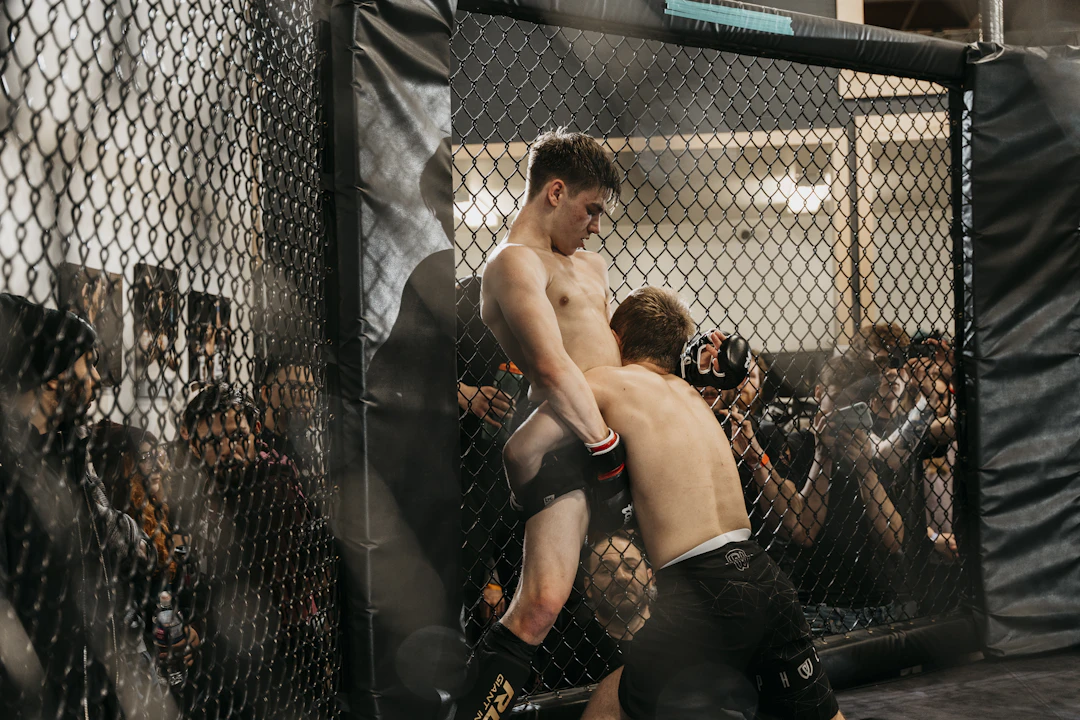
Overview
MMA has rapidly grown into a global phenomenon, largely due to the UFC's influence, diverse fight styles, and engaging fighter narratives. The sport's accessibility through technology and social media has bolstered fan interaction, while regional popularity spans North America, Europe, Asia, and beyond. Women's MMA is also on the rise, empowering female athletes and attracting diverse audiences. The future of MMA looks promising with international expansion, enhanced viewing experiences, and a focus on mental health support for fighters.
Contents
The Rise of MMA: An Overview
- Exploring MMA’s Global Appeal
The UFC's Influence on Global Popularity
- Prominent Events and Stars
- - The Impact of Streaming Services
Regional Popularity of MMA
- North America
- Europe
- Asia
- Australia and New Zealand
The Impact of Social Media on MMA
- Fan Interaction and Content Sharing
- The Role of Influencers and Content Creators
Women in MMA: A Rising Force
- Empowerment Through Sport
A Forward Look: What’s Next for MMA?
Riding the Wave of Excitement
FAQs
- What is the significance of the UFC in the popularity of MMA?
- How has social media impacted the engagement of fans in MMA?
- What are some reasons for MMA's global appeal?
- How are women in MMA changing the landscape of the sport?
- What trends are shaping the future of MMA?
Mixed Martial Arts (MMA) has rapidly ascended from a niche combat sport to a global sensation in recent years. The sport has transcended geographical and cultural boundaries, captivating millions of fans around the world. In this article, we will delve into the reasons for the phenomenal growth of MMA, focusing specifically on the significance of organizations like the UFC, as well as the latest trends in MMA news and events. We will also explore what makes MMA uniquely appealing to both fighters and fans alike.
The Rise of MMA: An Overview
MMA's roots can be traced back to ancient combat sports, but it gained widespread popularity with the establishment of the Ultimate Fighting Championship (UFC) in 1993. The UFC brought structure to the sport, introducing rules and weight classes that allowed fighters from various disciplines to compete against one another. Today, the UFC is synonymous with MMA. It has become a prominent platform for athletes to exhibit their skills, dreams, and fighter news, showcasing their hard work and determination.
Exploring MMA’s Global Appeal
The rising global popularity of MMA can be attributed to several factors:
Accessibility: With the advancement of technology and the rise of social media, fans can now access live broadcasts of MMA events, highlights, and fighter news from the comfort of their homes. This instant access pulls fans deeper into the world of MMA.
Diverse Fight Styles: MMA is a melting pot of various martial arts disciplines, including Brazilian Jiu-Jitsu, Muay Thai, Kickboxing, and Wrestling. This variety keeps the sport fresh and engaging, appealing to different audiences worldwide.
Heroic Storylines: MMA fighters often have compelling personal stories that resonate with fans. Their challenges, victories, comebacks, and journeys to the top are featured in fighter news, transforming fighters into heroes and relatable figures.
Community and Camaraderie: Fans often build strong communities around MMA, sharing insights and experiences with each other. The sport has fostered camaraderie among fans who unite to support their favorite fighters during MMA events.
The UFC's Influence on Global Popularity
As the most recognized brand in the world of MMA, the UFC plays a pivotal role in the sport’s global appeal. Here’s how it has propelled MMA to new heights:
Prominent Events and Stars
The UFC hosts numerous high-stakes events throughout the year, featuring some of the most skilled and popular fighters. Fight nights and pay-per-view events are accompanied by extensive media coverage, allowing fans to immerse themselves in the latest news and updates about their favorite fighters. Fighters like Conor McGregor, Amanda Nunes, and Israel Adesanya have become icons, thanks to their prowess inside the Octagon and their captivating personalities outside of it.
The Impact of Streaming Services
With the growth of streaming platforms, UFC events have reached fans across the globe. Services like ESPN+ and other regional broadcasters have secured rights to air UFC events, making them accessible to a broader audience. This transition to digital media has changed the landscape of how fans interact with MMA news and events, offering on-demand viewing that caters to their preferences.
Regional Popularity of MMA
MMA’s reach isn't limited to major markets like the United States; it has found fans in regions around the world. Let’s take a closer look at the popularity of MMA across different regions:
North America
The United States remains the epicenter of MMA, largely driven by the UFC’s strong presence. Major cities like Las Vegas, New York, and Los Angeles frequently host high-profile events that attract large crowds and significant media coverage. The growth of local promotions and grassroots organizations further fuels interest in the sport. Training centers and gyms have also proliferated, fostering the next generation of MMA fighters.
Europe
Europe has emerged as a bustling hub for MMA, with countries like the United Kingdom, Russia, and Sweden producing top-tier fighters. Promotions such as Cage Warriors and Bellator have also gained traction, offering platforms for rising stars. European fans bring a unique enthusiasm and support fighters passionately, adding to the sport's growth potential.
Asia
Asia is witnessing a rapid rise in MMA popularity, particularly in countries like Japan and China. Japanese promotions like PRIDE FC laid the groundwork for MMA, while the emergence of ONE Championship has broadened the sport's reach across Asia. The unique blend of martial arts and tradition serves as a captivating allure for Asian audiences, and the inclusion of local fighters has enhanced support during MMA events.
Australia and New Zealand
Australia and New Zealand are also making their mark in the MMA world, thanks in part to fighters like Robert Whittaker and Israel Adesanya. The region hosts events that captivate a growing fan base. With country-wide support for local fighters, the energy and excitement surrounding these MMA events continue to flourish.
The Impact of Social Media on MMA
Social media has been a game changer in how MMA connects with fans. Platforms like Instagram, Twitter, and Facebook allow fighters to engage directly with their fans, sharing insights into their training routines, lifestyles, and fighter news. This transparency fosters a stronger connection between fighters and their supporters, thus enhancing the sport's popularity.
Fan Interaction and Content Sharing
UFC events are often trending topics on social media, with fans sharing live updates, predictions, and even memes during fights. The use of hashtags related to MMA provides a platform for fans to engage with one another and voice their opinions, fostering a sense of community and promoting discussions around fighter news.
The Role of Influencers and Content Creators
Influencers and content creators also play crucial roles in promoting MMA. YouTube channels and podcasts dedicated to MMA coverage allow enthusiasts to delve deeper into analysis and discussions about fights, fighters, and MMA events. This dynamic content also serves as a platform for announcing significant fighter news.
Women in MMA: A Rising Force
Women’s MMA has achieved remarkable growth in recent years, breaking barriers and challenging stereotypes. Organizations like Invicta FC have focused on promoting female fighters, giving them the spotlight they deserve. The rise of prominent female fighters within the UFC, such as Ronda Rousey and Amanda Nunes, has inspired a new generation of female athletes and drawn diverse audiences to MMA.
Empowerment Through Sport
The presence of female athletes in MMA promotes empowerment, showcasing their dedication, skills, and athleticism. As female fighters continue to build legacies and attract their own fan bases, it helps dispel myths about the sport and encourages inclusivity. Fan engagement surrounding women’s MMA boasts substantial growth, with more events dedicated to showcasing female fighters.
A Forward Look: What’s Next for MMA?
The future of MMA looks vibrant as the sport continues to evolve. Here are some of the trends shaping the future landscape of MMA:
International Expansion: As organizations seek to capitalize on international markets, we can expect more MMA events in new countries. This will not only draw in new fans but also enhance the competitive spirit as fighters aim to represent their home countries.
Enhanced Viewing Experiences: The development of virtual and augmented reality technology may revolutionize how fans experience MMA events. Fans can consume live-action fights in entirely new ways, bringing them closer to the action and possibly increasing engagement.
Continued Supports for Mental Health: As the sport grows, there’s an increasing focus on mental well-being within MMA. Promoting mental health support for fighters can enhance their performance and show the industry’s commitment to looking out for athletes.
More Diverse Stories: The narratives surrounding MMA continues to diversify, with numerous fighters from various backgrounds rising to prominence. These compelling stories resonate deeply with fans and help build stronger connections to the sport.
Riding the Wave of Excitement
The popularity of MMA is a testament to the sport's dynamic nature and universal appeal. From the thrilling matches held by the UFC to the intricate backgrounds of fighters, MMA continues to captivate audiences worldwide. As fans eagerly anticipate upcoming events and engage in the latest MMA news and fighter stories, it's clear that MMA is not just a sport; it's a cultural phenomenon destined for growth. The future of MMA is indeed bright, and we can expect the sport to expand its reach while fostering community, sportsmanship, and unending excitement.
FAQs
What is the significance of the UFC in the popularity of MMA?
The UFC has been pivotal in the rise of MMA by providing a structured platform for fighters, introducing rules and weight classes, and hosting high-stakes events that showcase skilled fighters and generate extensive media coverage.
How has social media impacted the engagement of fans in MMA?
Social media has transformed fan engagement in MMA by allowing fighters to connect directly with fans, share insights into their lives and training, and facilitating discussions around events and news through trending topics and hashtags.
What are some reasons for MMA's global appeal?
MMA's global appeal can be attributed to its accessibility through technology, diverse fight styles that engage different audiences, compelling fighter storylines, and the strong community support among fans.
How are women in MMA changing the landscape of the sport?
Women in MMA are breaking barriers and challenging stereotypes, with organizations like Invicta FC promoting female fighters and high-profile athletes like Ronda Rousey inspiring a new generation, leading to increased inclusivity and fan engagement.
What trends are shaping the future of MMA?
Trends shaping the future of MMA include international expansion of events, enhanced viewing experiences through virtual technology, increased focus on mental health for fighters, and the rise of diverse narratives among competitors.