Overview
MMA has evolved significantly, with striking and grappling as its two main components. Striking involves various techniques like punches and kicks that can control distance and end fights quickly, while grappling focuses on controlling opponents through takedowns and submissions. Both styles have distinct advantages and contribute to a fighter's success. The debate between striking and grappling continues, but modern fighters benefit from a well-rounded approach, combining both techniques. Trends in the sport indicate a rise in hybrid fighters, increased female participation, and the use of technology in training.
Contents
Understanding Striking in MMA
- The Key Elements of Striking
- Benefits of Striking in MMA
Diving into Grappling Techniques
- The Core Techniques of Grappling
- Benefits of Grappling in MMA
Striking vs. Grappling: The Debate
- Striking's Influence on MMA Events
- The Grappler's Advantage
Finding Your Style
- Identifying Strengths
- The Importance of Versatility
The Future of MMA: Trends to Watch
Looking Ahead: A New Breed of Fighters
FAQs
- What are the main techniques used in striking for MMA?
- Why is striking considered important in MMA?
- What are the core techniques involved in grappling?
- How can a fighter find their preferred style between striking and grappling?
- What are some emerging trends in MMA techniques?
Mixed Martial Arts (MMA) has rapidly evolved over the years, being popularized through events like the UFC and fascinating millions worldwide. While MMA incorporates a plethora of techniques, two dominant categories stand out: striking and grappling. Each technique brings unique advantages and is integral to the success of fighters in the octagon. In this blog post, we’ll break down the nuances of these two essential elements, explore their impact on MMA news and fighter performance, and touch on the significance of both disciplines in MMA events.
Understanding Striking in MMA
Striking forms the attacking backbone of MMA. It refers to the varied techniques used to hit—or strike—an opponent using different parts of the body. This section will cover the key elements of striking, its benefits, and popular striking styles.
The Key Elements of Striking
Striking encompasses various techniques, including but not limited to:
Punches: Such as jabs, hooks, and uppercuts.
Kicks: Including roundhouse kicks, front kicks, and side kicks.
Knees and elbows: Effective in clinch situations.
Each of these striking techniques is used strategically to inflict damage, create distance, or set up grappling exchanges. Effective striking requires precision timing, distance management, and an understanding of an opponent’s movement.
Benefits of Striking in MMA
The significance of striking in mixed martial arts cannot be overstated. Here’s why fighters prioritize striking:
Control of Distance: Striking allows fighters to maintain optimal range, keeping opponents at bay.
Knockout Potential: Well-executed strikes can end a fight quickly by knocking out the opponent.
Psychological Edge: A fighter known for powerful striking can instill fear, leading opponents to hesitate.
Scoring Points: In MMA events, judges weigh effective striking heavily when scoring rounds.
Diving into Grappling Techniques
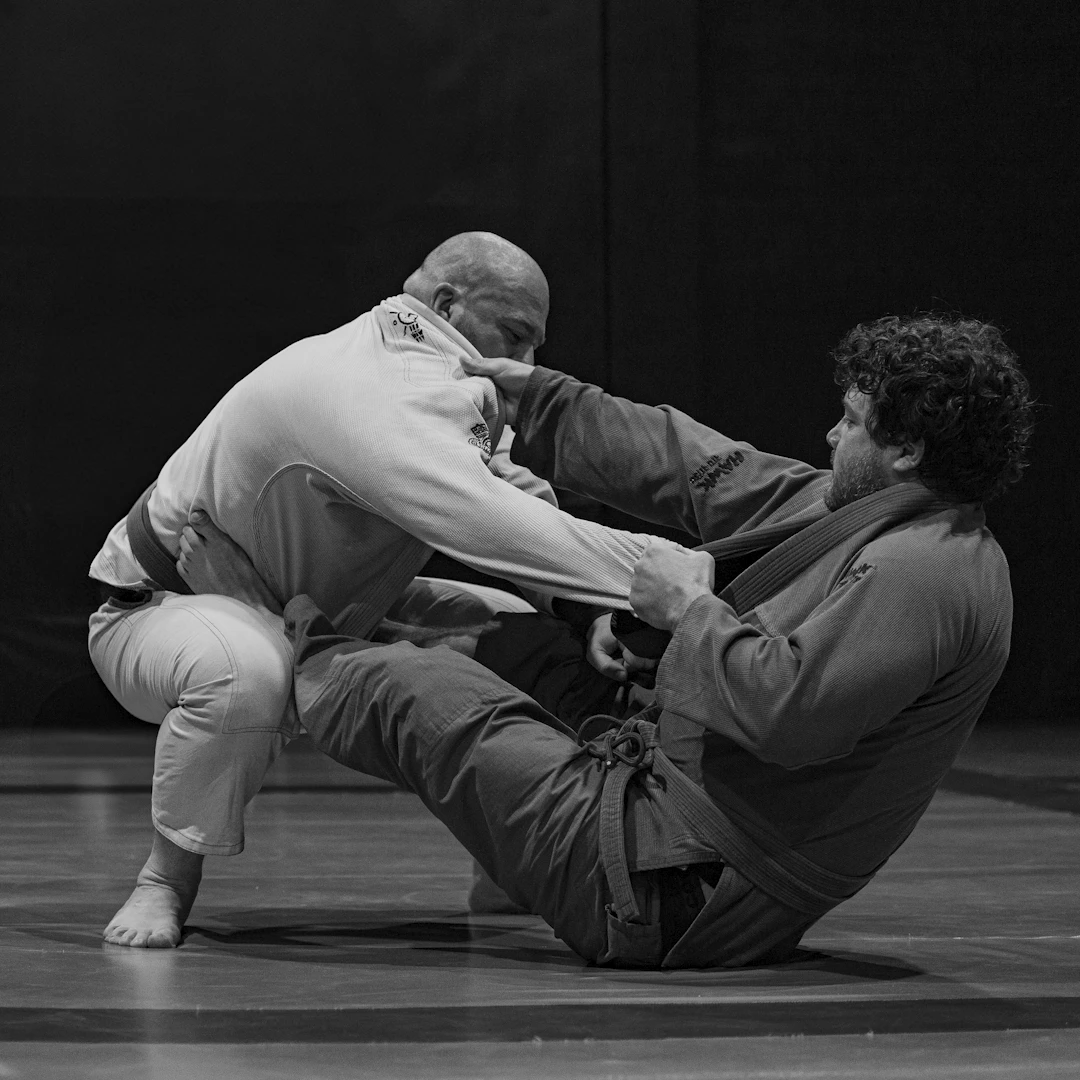
Grappling is the other half of the MMA equation, involving techniques for controlling or subduing an opponent. Grappling disciplines such as Brazilian Jiu-Jitsu (BJJ), wrestling, and judo contribute significantly to a well-rounded MMA fighter's toolkit.
The Core Techniques of Grappling
Grappling strategies revolve around ground fighting and clinch work. Here are some common techniques:
Take-downs: Techniques used to bring the opponent to the ground.
Submissions: Holds that aim to force an opponent to tap out.
Escapes and Defense: Techniques designed to avoid being taken down or submitted.
Grappling is pivotal for controlling the fight's pace and direction. Fighters often use grappling to wear down their opponents and find openings for submissions.
Benefits of Grappling in MMA
The benefits of grappling techniques are extensive, making them equally important in MMA:
Control: Grappling allows fighters to dictate the pace and location of the fight, whether standing or on the ground.
Submissions: A well-timed submission attempt can end a fight, making grappling dangerous for the opponent.
Enhanced Conditioning: Grapplers typically demonstrate superior endurance and stamina due to the extensive training involved.
Defense Against Strikers: Grappling skills can neutralize striking prowess by taking the fight to the ground.
Striking vs. Grappling: The Debate
In the world of MMA, the debate between striking and grappling enthusiasts is perennial. Both camps have valid arguments, and preferences often depend on the individual fighter’s style and strengths.
Striking's Influence on MMA Events
Popular events, especially in the UFC, are often highlighted by explosive striking battles. Fans flock to see knockouts and dynamic exchanges, making striking a fan favorite. The spectacle of a knockout draws immense attention, contributing to the explosive growth of MMA as a mainstream sport. UFC events routinely showcase striking matches that lead to enormous fan engagement, featuring fighter news that emphasizes incredible knockout performances.
The Grappler's Advantage
Conversely, grapplers often emphasize the tactical and methodical nature of fighting. Grappling techniques can dictate the flow of a match, allowing a fighter to leverage their strengths against a striker's weaknesses. Grapplers such as Khabib Nurmagomedov have proven the undeniable effectiveness of grappling in achieving victory, further validating its importance in fighter performance. Grappling-heavy fighters consistently feature in MMA news, celebrating their success in grappling-based strategies during prestigious MMA events.
Finding Your Style
For aspiring fighters, understanding one's affinity for striking or grappling can shape their training and fighting style. Here are some considerations:
Identifying Strengths
Physical Attributes: Analyzing size, reach, and conditioning plays a pivotal role in determining which style suits a fighter best.
Personal Preference: Engaging in various training styles can illuminate inherent preferences and strengths.
Training Environment: Training in a gym that emphasizes one discipline may skew preferences towards that style.
The Importance of Versatility
While specializing in one area can yield great success, the importance of being well-rounded cannot be overlooked. A fighter who combines striking with grappling techniques often enjoys a significant advantage in the octagon. The best fighters are those who can seamlessly transition between striking and grappling, making them unpredictable in all scenarios.
The Future of MMA: Trends to Watch
The evolution of techniques in MMA is ever-growing. As fighters continue to innovate and refine their methods, certain trends emerge:
Hybrid Fighter Development: More fighters are prioritizing cross-training to blend striking and grappling.
Increase in Female Fighters: The rise in women's divisions has brought a new dynamic to techniques in MMA.
Technological Advancements: Training tools and analytics can help fighters improve performance in both striking and grappling.
Each of these trends reinforces the idea that adaptability in both striking and grappling is critical for success in MMA.
Looking Ahead: A New Breed of Fighters
The world of MMA is a melting pot of cultures, techniques, and styles. As we continue to follow the latest MMA news and events, we witness the constant development of fighters who blend striking and grappling in innovative ways. Events like the UFC serve as platforms for these fighters to showcase their skills, pushing the boundaries of what's possible in the sport.
Moreover, as more athletes enter the sport, there’s a growing emphasis on understanding both disciplines. This will likely set the stage for further evolution in fight strategies and techniques in MMA as a whole.
Whether you're a fan of striking, grappling, or both, the sport of MMA invites you to appreciate the skills, dedication, and artistry of its fighters. Embrace the excitement and anticipation of each new match, because in this arena, anything can happen!
FAQs
What are the main techniques used in striking for MMA?
The main techniques used in striking for MMA include punches (like jabs, hooks, and uppercuts), kicks (such as roundhouse kicks, front kicks, and side kicks), and strikes with knees and elbows, especially in clinch situations.
Why is striking considered important in MMA?
Striking is important in MMA because it allows fighters to control distance, has potential for knockouts, provides a psychological edge, and is heavily weighed by judges when scoring rounds.
What are the core techniques involved in grappling?
The core techniques involved in grappling include take-downs, submissions, and escapes and defense strategies designed to control the opponent.
How can a fighter find their preferred style between striking and grappling?
A fighter can find their preferred style by analyzing their physical attributes, personal preferences through training, and the type of training environment they are in.
What are some emerging trends in MMA techniques?
Emerging trends in MMA techniques include the development of hybrid fighters who cross-train in both striking and grappling, an increase in female fighters, and the use of technological advancements for performance improvement.