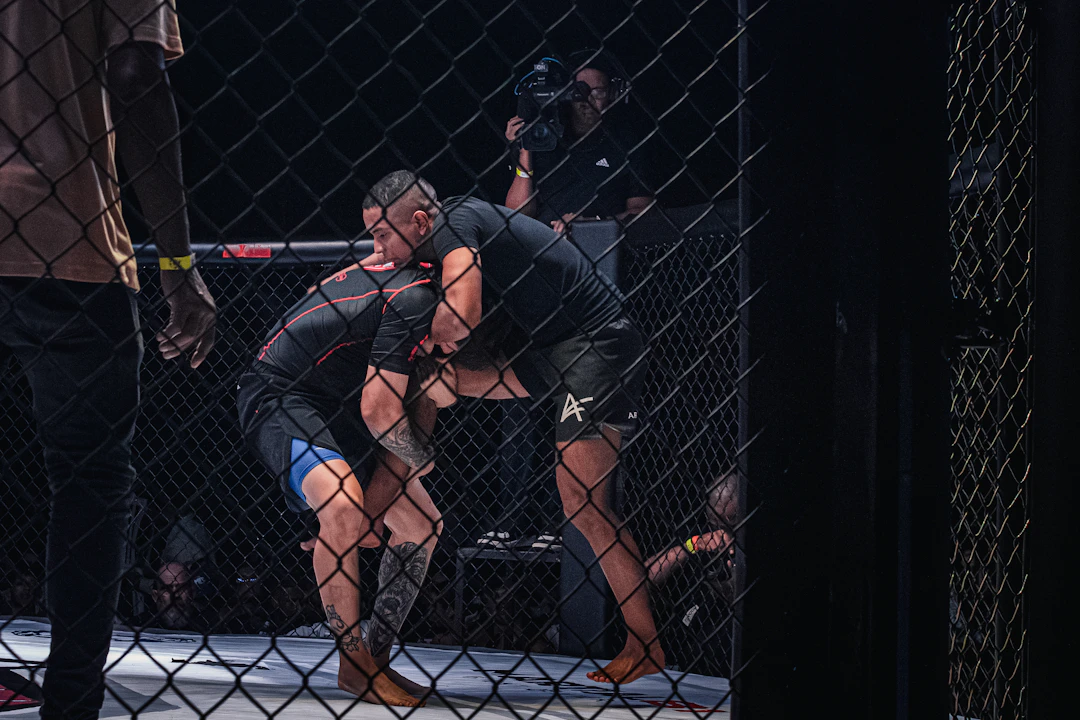
Overview
MMA is not just a physical sport; it involves significant psychological aspects that affect fighters' performance. Key elements include resilience, discipline, confidence, and emotional control. Motivations to compete vary, with intrinsic factors like passion and personal fulfillment, and extrinsic factors like financial rewards and fame. Mental strategies such as visualization and mindfulness are crucial, alongside the support of coaches. Injuries can impact fighters' psychology, leading to challenges like fear of re-injury and identity shifts. Understanding these elements deepens appreciation for the sport and its athletes.
Contents
The Psychological Landscape of MMA Fighters
What Fuels the Fire? The Drive to Compete
- Intrinsic Motivations
- Extrinsic Motivations
Understanding Fighter Mentality
The Role of Coaches and Support Systems
The Impact of Injuries and Mental Health
Diversification in Fight Styles
The Final Bell: A Legacy of Fighters
Related Products
FAQs
- What psychological traits are important for MMA fighters?
- What are intrinsic motivations for MMA fighters?
- How do extrinsic factors influence MMA fighters?
- What role do coaches play in the mentality of MMA fighters?
- How do injuries impact the psychology of MMA fighters?
Mixed Martial Arts (MMA) is more than just athletic competition; it is a profound psychological battle that underscores the passion, resilience, and determination embedded within each fighter. As we delve into the psychology of MMA fighters, we unearth the myriad of motivations that propel these athletes to enter the demanding arena of the Ultimate Fighting Championship (UFC) and other MMA events.
The Psychological Landscape of MMA Fighters
Understanding the mindset of MMA fighters requires an exploration of various psychological aspects. Fighters showcase unique psychological traits that facilitate their combat style while defining their motivations for competing. Some of the core psychological elements include:
Resilience: The ability to bounce back from setbacks is crucial in MMA. Many fighters have faced adversities in their lives that prepared them for the rugged battle of the cage.
Discipline: The unwavering commitment to training and preparation defines an MMA athlete. The discipline fosters focus on their goals and daily training schedules.
Confidence: A fighter's belief in their ability can determine the outcome of their fights. Building confidence often involves a combination of training, past successes, and mental reinforcement techniques.
Control of Emotion: Fighters must manage their emotions during high-pressure situations. Maintaining composure can mean the difference between victory and defeat inside the octagon.
What Fuels the Fire? The Drive to Compete
The drive that leads fighters into the octagon varies among individuals. Here are several intrinsic and extrinsic motivators that play a pivotal role in their decisions to pursue MMA:
Intrinsic Motivations
Intrinsic motivations are personal factors that regulate a fighter’s desire and determination. These include:
Passion for the Sport: The love for MMA is a significant motivator. Many fighters grew up watching their idols compete, and their passion propels them into the ring.
Personal Fulfillment: Achieving personal goals and mastering techniques provides immense satisfaction. For many fighters, the journey of self-improvement is as essential as winning.
Legacy and Recognition: The drive to leave a mark in MMA history—whether through championships or memorable performances—is paramount for many athletes.
Extrinsic Motivations
On the other hand, extrinsic factors can influence a fighter’s journey as well:
Financial Reward: For many, fighting is a career choice that can lead to lucrative contracts and endorsements, especially in highly publicized promotions like the UFC.
Fame and Recognition: The spotlight on MMA fighters can lead to a celebrity status that many aspire to achieve, thereby motivating fighters to succeed.
Fan Engagement and Support: The support from fans can significantly boost a fighter’s morale. Knowing they have a community cheering for them serves as a compelling motivator.
Understanding Fighter Mentality
The mental aspect of MMA fighting is crucial to performance. Mental toughness and the ability to stay focused during combat significantly influence the outcome of fights. Notably, some key psychological factors include:
Visualization Techniques: Many fighters use visualization to mentally prepare for matches, enhancing their focus and confidence levels.
Breathing Techniques: Mastering breathing control can aid in managing anxiety and maintaining focus during intense moments in fights.
Mindfulness and Presence: Practicing mindfulness enables fighters to be present in the moment, allowing for better decision-making and reaction times.
The Role of Coaches and Support Systems
Behind every successful MMA fighter is a robust support system comprising coaches, trainers, and family. Coaches, in particular, play a pivotal role in shaping a fighter's mentality. They offer:
Technical Training: Coaches provide expert insights and fine-tune techniques that directly impact a fighter’s performance.
Moral Support: Emotional and psychological support can come from coaches who understand the sport's toll on mental health. To learn more about the significance of coaching in MMA, explore Behind the Scenes: The Life of an MMA Fighter's Coach.
Accountability: Coaches keep fighters motivated and accountable for their training and development, reminding them of their goals.
The Impact of Injuries and Mental Health
Injuries are an unfortunate reality for many fighters. The psychological effects of being sidelined can significantly impact their confidence and mental state. Fighters often face a plethora of challenges during the recovery process, which may include:
Fear of Re-injury: The fear of sustaining another injury can hinder a fighter's performance, as their mental state can affect their readiness and willingness to engage in bouts.
Isolation and Loneliness: Being away from the competitive environment and fellow fighters can lead to feelings of isolation, necessitating robust mental health strategies.
Shift in Identity: For many fighters, their identity is closely tied to their role as athletes. Injuries disrupt this aspect, leading to challenges in self-perception and motivation.
To manage these psychological challenges, fighters can benefit from reading about comprehensive strategies like those outlined in the guide on Injury Management and Recovery in MMA. Here, fighters can explore effective mental health strategies while they heal both physically and psychologically.
Diversification in Fight Styles
MMA fighters come from diverse backgrounds and training styles, each bringing unique psychological strengths and advantages. Being aware of different fight styles can not only enhance a fighter's confidence but also improve their adaptability in the ring. An exploration of styles, such as striking versus grappling, can reveal:
Strengths and Weaknesses: Understanding the psychological aspects of their preferred fighting style can contribute to effective training programs tailored to build upon individual strengths.
Fight Strategy: Insight into styles allows fighters to develop personalized tactics that align with their mental game plan.
For a deeper analysis of the psychology behind various fighting styles, check out the article on Analyzing the Different Styles in MMA: Striking vs. Grappling.
The Final Bell: A Legacy of Fighters
Ultimately, the psychology of MMA fighters is as diverse as the sport itself. Understanding the personal motivations, mental strategies, and psychological challenges that fighters endure offers a deeper appreciation for their craft and commitment. The stories of resilience and triumph continue to inspire fans and aspiring fighters alike.
As you explore the world of MMA through our store, consider commemorating the spirit of the fight with our range of products. The Fighter Silhouette Metal Art captures the essence of a fighter's dynamic energy, while the Octagon Arena Print evokes the atmosphere of thrilling MMA events.
Whether you are a fighter, a fan, or someone interested in the intricacies of this captivating sport, understanding the psychology behind it allows for a more profound connection to the life in the cage. Join us on this journey as we continue to bring you the latest MMA news, insights into fighter news, and exclusive coverage of upcoming MMA events!
Explore these products to enhance your MMA experience. Fighter Silhouette Metal Art and Octagon Arena Print.
Related Products
Fighter Silhouette Metal Art - £110.00 - A laser-cut metal wall art piece featuring the silhouette of a fighter in a dynamic pose, finished with a matte black powder coating for a sleek, mod...
Octagon Arena Print - £90.00 - A high-quality art print on durable canvas depicting an empty MMA octagon under dramatic spotlighting, evoking the intensity and anticipation of a fi...
Victory Pullover Hoodie - £75.00 - A soft, mid-weight fleece hoodie designed for warmth and comfort, featuring a minimalist embroidered logo on the chest and a subtle graphic print on...
FAQs
What psychological traits are important for MMA fighters?
Key psychological traits for MMA fighters include resilience, discipline, confidence, and control of emotion.
What are intrinsic motivations for MMA fighters?
Intrinsic motivations for MMA fighters include passion for the sport, personal fulfillment through self-improvement, and the desire to create a legacy.
How do extrinsic factors influence MMA fighters?
Extrinsic factors such as financial rewards, fame and recognition, and fan support can significantly influence a fighter's journey in MMA.
What role do coaches play in the mentality of MMA fighters?
Coaches provide technical training, moral support, and accountability, all of which shape a fighter's mentality and performance.
How do injuries impact the psychology of MMA fighters?
Injuries can lead to fear of re-injury, feelings of isolation, and a shift in identity for fighters, which can affect their mental state and motivation.