Overview
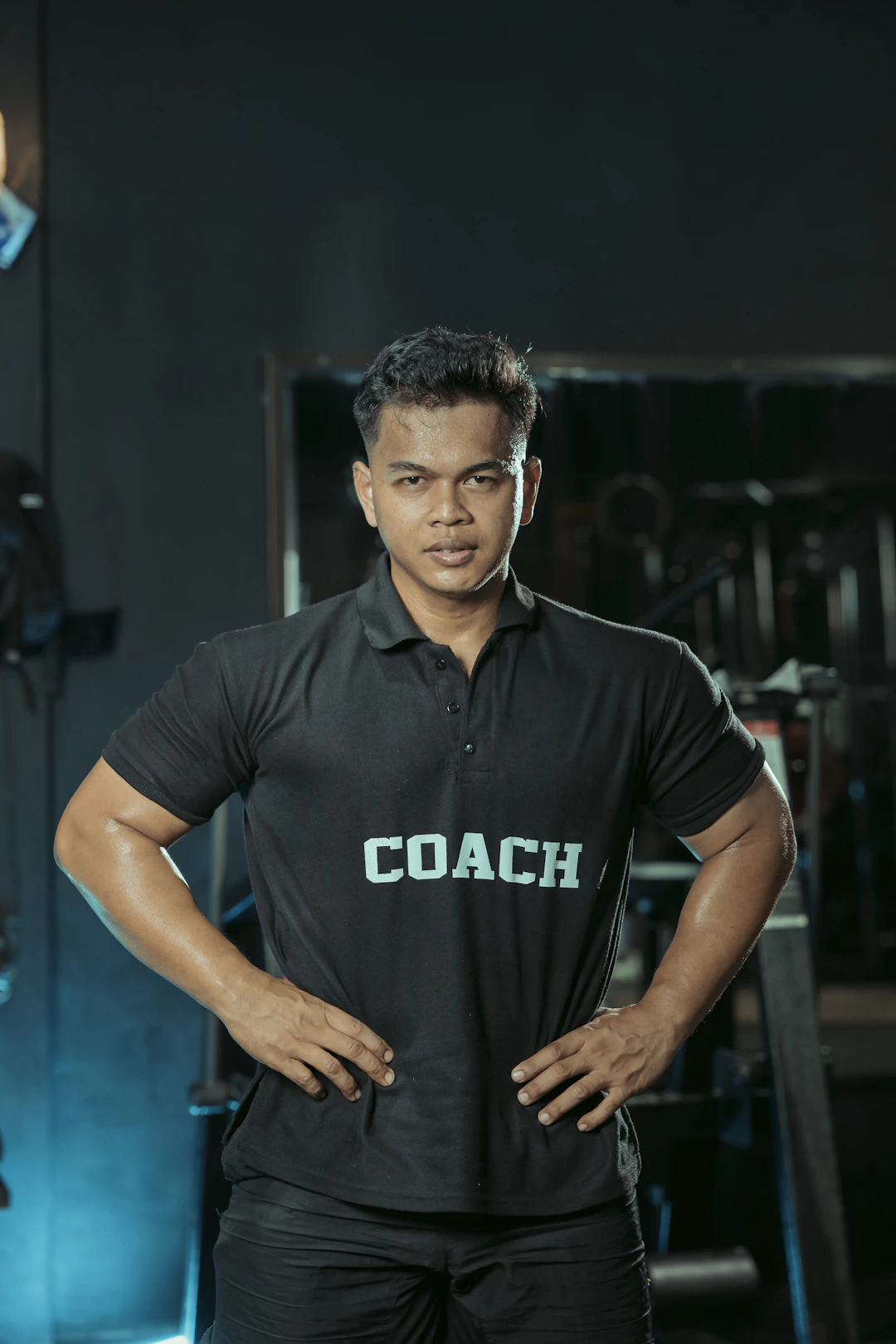
MMA coaches are essential to fighters' success, balancing training, strategy, and emotional support. Their role involves intense daily routines, specialized skills, and challenges like stress management and work-life balance. As the sport evolves, coaches must adapt and innovate, making them key figures in shaping future champions in mixed martial arts.
Contents
The Daily Routine: A Day in the Life
The Skill Set of a Successful Coach
The Challenges Coaches Face
Importance of Communication
The Unsung Heroes of the MMA Community
Preparing for Big Fights
From Local Gyms to the UFC Octagon
The Gear That Makes a Difference
Looking Ahead: The Future of Coaching in MMA
Join the Movement
FAQs
- What is the role of an MMA coach?
- What does a typical day look like for an MMA coach?
- What skills are essential for a successful MMA coach?
- What challenges do MMA coaches face?
- How is the future of coaching in MMA evolving?
When we think of the electrifying world of UFC and MMA, our minds often gravitate towards the fighters—their skill, endurance, and fierce determination. But behind every victorious fighter, there is a dedicated coach, intricately involved in shaping these athletes into champions. In the world of mixed martial arts, the role of the coach is as vital as that of the fighter, yet often overshadowed. This blog post takes a deep dive into the life of an MMA fighter’s coach, exploring the challenges they face, the skills they possess, and their indispensable contributions to the MMA news cycle.
The Daily Routine: A Day in the Life
The day-to-day life of an MMA coach is anything but boring. It is a whirlwind of training sessions, strategy meetings, and emotional support. A typical day can start as early as 6 a.m. and stretch into the late hours of the night. Here's a snapshot of what that day might look like:
Morning Training Sessions: Many coaches begin their day at the gym around dawn. They work with fighters on conditioning, technique, and strength training. These sessions are intensive and require the coach to be highly engaged and focused.
Strategy Meetings: After training, coaches often sit down with fighters to assess progress, analyze past performance, and discuss strategies for upcoming MMA events. This analytical part of the job is critical as it shapes the fighter's approach to their next match.
Nutrition Counseling: Nutrition is a huge part of an MMA fighter's regimen. Coaches continuously educate their fighters on proper nutrition to optimize performance and ensure they make weight for their bouts.
Evening Training Sessions: Most days conclude with another round of training, where coaches may focus on specific fight strategies or techniques, integrating lessons learned from earlier sessions.
The Skill Set of a Successful Coach
To be an effective MMA coach, one must possess a unique skill set that combines technical knowledge, psychology, and interpersonal skills. Here are essential skills every successful coach should master:
Technical Knowledge: Coaches must have deep expertise in various martial arts disciplines, including boxing, wrestling, Brazilian jiu-jitsu, and Muay Thai. This knowledge allows them to tailor training that meets the fighter’s needs.
Strategic Thinking: A coach must analyze their fighter's strengths and weaknesses as well as their opponent’s to develop a winning game plan. Understanding the scoring system in MMA competitions is also crucial for devising strategies that maximize a fighter's chances of victory. To grasp the nuances of scoring, check out this resource on understanding the scoring system in MMA fights.
Emotional Intelligence: The mental aspect of fighting cannot be overstated. Coaches often serve as mentors and confidantes, providing emotional support and motivation. Knowing when to push a fighter and when to provide comfort is a fine art.
Adaptability: The landscape of MMA news is always changing, with new techniques and strategies emerging constantly. A successful coach must adapt to these changes and stay current with the evolving sport.
The Challenges Coaches Face
Coaching is not just a matter of showing techniques and yelling instructions from the sidelines. It comes with its own set of challenges:
Stress Management: The pressure to win drives many, and coaches feel this tension acutely. They often worry about their fighter's performance and the implications it has on their careers.
Work-Life Balance: Coaches dedicate their lives to their fighters, often sacrificing personal time and relationships. Balancing the rigorous demands of coaching with personal life can be a constant struggle.
Updating Skills: As the sport evolves, coaches must continuously refine their own skills and knowledge. Attending training seminars and workshops is crucial to staying relevant.
Importance of Communication
The ability to communicate effectively with fighters is a cornerstone of successful coaching. Coaches must express their thoughts clearly and encourage an open dialogue. This helps build trust and rapport, essential for a successful partnership between coach and fighter. Whether giving feedback after a round or discussing fight strategies, a coach's words can uplift or undermine a fighter’s confidence and performance.
The Unsung Heroes of the MMA Community
While the fighters are often in the spotlight, coaches play a crucial role in the development of athletes and the overall growth of the sport. Coaches are the unsung heroes who tirelessly work behind the scenes, and they deserve recognition. Interested in understanding the broader spectrum of roles that contribute to MMA? Dive into the discussion about the pivotal roles of commentators and analysts in the sport by visiting this link: the role of commentators and analysts in MMA broadcasts.
Preparing for Big Fights
As fighters gear up for their matches, especially notable events like UFC pay-per-views, the atmosphere in the gym grows electric. Coaches take on more significant roles in preparing fighters for the intensity of competition. This doesn't only involve physical preparation but also includes mental fortitude.
Coaches implement various strategies to ensure their fighters are in prime condition—both mentally and physically. These strategies may include:
Visualization Techniques: Helping fighters visualize their success in the octagon can significantly bolster performance.
Mindfulness Practices: Incorporating techniques such as meditation can enhance focus and reduce pre-fight anxiety.
Simulating Fight Conditions: Practicing in environments that mimic the fight atmosphere, including audience noise and the pressure of competition, prepares fighters for the actual event.
From Local Gyms to the UFC Octagon
Many coaches start their careers in local gyms, honing their skills and developing fighters from grassroots levels. As those fighters progress, coaches often find themselves in high-profile positions, preparing athletes for international MMA events and titles in the UFC.
Success at this level can place coaches in the spotlight, with their fighter's achievements elevating their status within the mixed martial arts community. The mentorship and guidance provided to fighters can yield fruitful results and create lasting legacies.
The Gear That Makes a Difference
The right training environment can significantly impact performance. A well-equipped gym can facilitate better training sessions. For instance, inspiring artwork, like a fighter silhouette metal art, can motivate fighters during training. Additionally, comfy clothing such as the Victory Pullover Hoodie serves to keep coaches warm while they motivate fighters.
Looking Ahead: The Future of Coaching in MMA
The landscape of coaching is evolving. With advancements in technology and changes in training methodologies, coaches must remain on the cutting edge of sports science. Incorporating data analytics and performance metrics are becoming increasingly important in modern coaching.
Furthermore, the rise of women in mixed martial arts has paved the way for more opportunities across the board, including coaching careers. The influence of women's MMA cannot be overstated, as it is inspiring the next generation of female coaches and fighters.
As MMA continues to grow and evolve, so does the role of the coach—changing from a position of support to one that is influential in shaping the sport and its athletes. Coaches will remain pivotal in fostering the explosiveness of the sport while nurturing the next wave of champions.
Join the Movement
As we explore the exciting world of MMA, let's remember to appreciate the sidekicks behind the main acts—the coaches. Their passion, dedication, and expertise are instrumental in the dazzling performances we witness in the octagon. Whether you’re a fighter or an aspiring coach, remember to cherish this journey as you contribute to the thrilling saga of mixed martial arts.
Check out these products to enhance your MMA experience. Fighter Silhouette Metal Art and Octagon Arena Print.
FAQs
What is the role of an MMA coach?
An MMA coach plays a vital role in shaping fighters into champions, providing training, strategy, nutrition counseling, and emotional support.
What does a typical day look like for an MMA coach?
A typical day for an MMA coach includes morning and evening training sessions, strategy meetings, and providing nutrition counseling to fighters.
What skills are essential for a successful MMA coach?
Essential skills for an MMA coach include technical knowledge of martial arts, strategic thinking, emotional intelligence, and adaptability.
What challenges do MMA coaches face?
MMA coaches face challenges like stress management, maintaining work-life balance, and the need to continuously update their skills.
How is the future of coaching in MMA evolving?
The future of coaching in MMA is evolving with advancements in technology, increased opportunities for women, and the incorporation of data analytics and performance metrics.