Overview
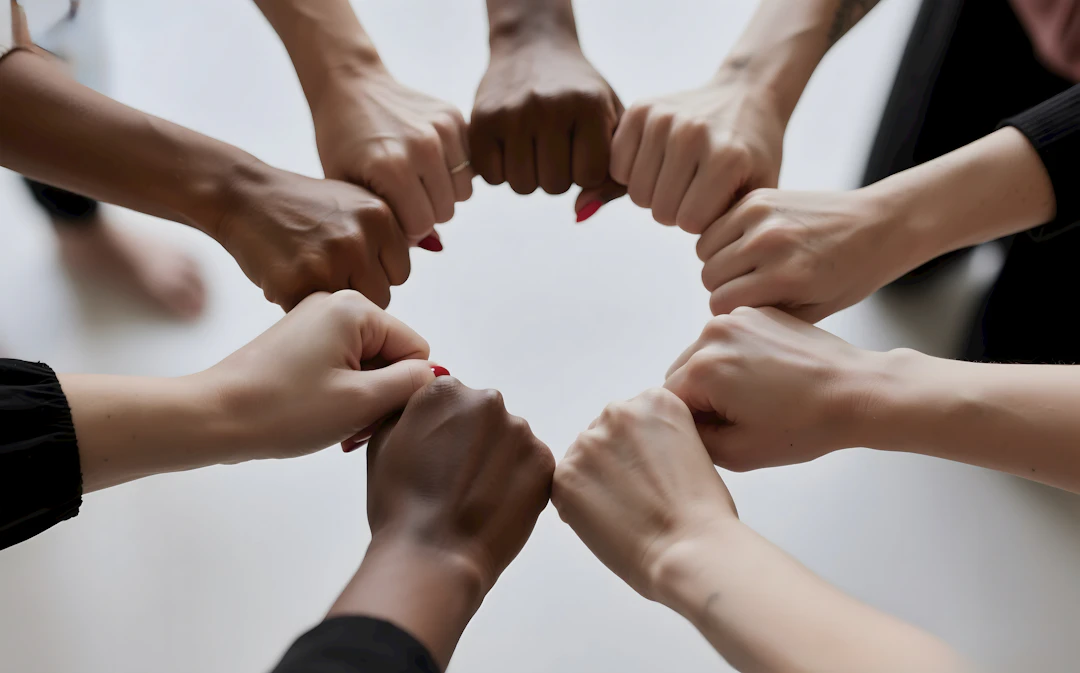
MMA has seen significant growth in diversity over the past two decades, influenced by the rise of the UFC. This includes increased representation of female fighters and athletes from various racial backgrounds, enriching the sport and expanding its audience. While challenges remain, the future looks promising with ongoing efforts to promote inclusivity and celebrate cultural diversity in MMA.
Contents
A Historical Perspective on Diversity in MMA
The Rise of Female Fighters
Breaking Racial Barriers
Cultural and Training Diversity
Challenges and the Path Forward
Looking Ahead: The Future of Diversity in MMA
Celebrating the Spirit of MMA
Related Products
FAQs
- What are some key aspects of diversity in MMA?
- How has the representation of female fighters changed in MMA?
- What historical barriers have been broken in MMA?
- What challenges do fighters from underrepresented backgrounds face in MMA?
- What does the future hold for diversity in MMA?
Mixed Martial Arts (MMA) has grown exponentially in popularity over the last two decades, greatly influenced by the rapid rise of the Ultimate Fighting Championship (UFC). One of the most significant and heartening developments within this sport is the increasing diversity among fighters, trainers, and fans. This diversity is not merely a trend but a vital component in shaping the future of MMA, offering various perspectives that enrich the sport and expand its audience. In this article, we will explore the multifaceted aspects of diversity in MMA, its historical context, and its implications for the future of the sport.
A Historical Perspective on Diversity in MMA
The inception of MMA can be traced back to ancient civilizations, where different martial arts styles were pitted against each other to determine the most effective combat methods. Fast forward to the modern era; MMA has morphed into a global phenomenon, dominated for years by a select group of fighters. It wasn’t until the late 1990s and early 2000s that MMA began to break past racial and gender barriers.
In the early days of the UFC, the fighters primarily came from a limited number of backgrounds, especially focusing on Brazilian Jiu-Jitsu and wrestling. The range of fighting styles has dramatically diversified, including striking arts like Muay Thai, karate, and boxing as well as grappling styles such as judo and sambo. This evolution has introduced fans to a variety of techniques and strategies traditionally found in their respective cultures, allowing for greater representation.
The Rise of Female Fighters
One of the most groundbreaking changes in MMA has undoubtedly been the rise of female fighters, a movement that has propelled the sport into new heights. The inclusion of women in UFC and other promotions has shattered stereotypes and encouraged many young girls to pursue martial arts. For example, the likes of Ronda Rousey, Amanda Nunes, and Valentina Shevchenko have become household names, not just for their skills inside the Octagon but also for their roles as role models for aspiring female athletes.
The increasing visibility of female fighters in MMA has inspired unique fan engagement. The coverage of MMA news has expanded to feature women’s events, helping to eradicate preconceived notions surrounding female combat sports. Events such as the inaugural women’s title fight at UFC 157 marked a turning point, showcasing that women could generate the same level of excitement and combat proficiency as their male counterparts.
Breaking Racial Barriers
While the rise of female fighters is significant, the representation of racial and ethnic diversity is equally vital. Historically, the landscape of MMA has seen predominance from certain races, particularly Caucasian and Latin fighters. However, in recent years, the emergence of fighters from various racial backgrounds has brought fresh perspectives and styles to the Octagon.
The success of fighters like Israel Adesanya, Khabib Nurmagomedov, and Demetrious Johnson exemplifies that talent and skill can emerge from all walks of life. Each of these champions brings unique storytelling elements that resonate with fans worldwide, enriching the tapestry of MMA. Moreover, the diverse backgrounds of these athletes contribute to the cultural dialogue surrounding the sport, showcasing how MMA can be a unifying force.
Cultural and Training Diversity
The diversity in training methodology has also played a crucial role in shaping MMA's evolution. Gyms across the globe are now recognizing the importance of incorporating various martial arts disciplines, allowing fighters to learn diverse techniques and philosophies that enhance their overall skill set.
Mixed Training Camps: Many fighters are choosing to train in multicultural environments, which not only enriches their skill sets but also widens their perspectives.
Cultural Exchange: Fighters often travel to various countries to train, allowing them to learn new techniques and strategies while integrating into different cultures.
Global Expansions: Promotions are hosting events in different countries, bringing athletes from various regions to share their fighting styles on a global stage.
This cultural exchange within MMA has resulted in more varied and unpredictable fights, making events exciting for all audiences. The continuous growth of MMA events around the world symbolizes a vibrant community that embraces richness in diversity.
Challenges and the Path Forward
Despite the strides made in promoting diversity, challenges persist. Fighters from underrepresented backgrounds still face various obstacles, including fewer sponsorship opportunities and media representation. These barriers can hinder potential stars from fully realizing their abilities and contributions to the sport.
Another challenge is the perception of diversity as an agenda rather than a genuine movement. It’s paramount that every athlete, regardless of their background, is provided with equal opportunities based purely on merit. This ensures that the competition remains fierce and thrilling while also continuing the upward trend of inclusivity within the sport.
Looking Ahead: The Future of Diversity in MMA
The future of MMA holds great promise. As we continue to witness fighter news and the advancement of talent from all backgrounds, it's clear that diversity will only strengthen the sport. Promotions are beginning to recognize the importance of inclusive marketing and outreach, allowing for a new generation of fighters to step into the cage.
The potential development of women’s leagues, increased pathways for amateur fighters from various backgrounds, and enhanced media coverage will be instrumental in shaping the narrative around diversity. By championing these changes, MMA can foster an environment that not only promotes athletic excellence but also cultural celebration.
Celebrating the Spirit of MMA
The essence of MMA lies in its ability to connect people from different walks of life through the love of sports and martial arts. Whether you are a fighter, a fan, or simply someone looking to explore the world of MMA, the rich cultural diversity adds layers to the experience. Investing in art and memorabilia that celebrates this diverse history can further enhance your appreciation for the sport. For instance, check out the Fighter Silhouette Metal Art, which beautifully captures the essence of MMA in a modern design. This piece is perfect for any enthusiast looking to honor the spirit of competition.
Additionally, the Octagon Arena Print, evocative of the intensity and anticipation associated with MMA events, is ideal for decorating your training space or home. It serves as a great reminder of the excitement and passion that drives the sport forward.
With so much momentum behind the push for diversity in MMA, the future is vibrant. Fans can look forward to a sport that not only highlights skill but also embraces the many cultures and identities that contribute to its ongoing legacy. Let's celebrate this evolution together!
Explore these products to enhance your MMA experience. Fighter Silhouette Metal Art and Octagon Arena Print.
Related Products
Fighter Silhouette Metal Art - £110.00 - A laser-cut metal wall art piece featuring the silhouette of a fighter in a dynamic pose, finished with a matte black powder coating for a sleek, mod...
Octagon Arena Print - £90.00 - A high-quality art print on durable canvas depicting an empty MMA octagon under dramatic spotlighting, evoking the intensity and anticipation of a fi...
Champion Belt Replica - £150.00 - A decorative replica championship belt crafted from faux leather and polished metal plates, featuring intricate embossing and adjustable side straps...
FAQs
What are some key aspects of diversity in MMA?
Diversity in MMA encompasses representation in terms of gender, race, and cultural backgrounds among fighters, trainers, and fans. It enriches the sport by providing various perspectives and expanding its audience.
How has the representation of female fighters changed in MMA?
The rise of female fighters in MMA, especially in organizations like the UFC, has shattered stereotypes and encouraged young girls to pursue martial arts. Prominent figures like Ronda Rousey and Amanda Nunes have become role models and have significantly increased visibility for women's MMA.
What historical barriers have been broken in MMA?
Historically, MMA was dominated by fighters from limited backgrounds, particularly Caucasian and Latin fighters. In recent years, increased representation of fighters from various racial backgrounds has brought fresh perspectives and styles to the sport.
What challenges do fighters from underrepresented backgrounds face in MMA?
Fighters from underrepresented backgrounds often encounter obstacles such as fewer sponsorship opportunities and limited media representation, which can hinder their ability to maximize their potential in the sport.
What does the future hold for diversity in MMA?
The future looks promising for diversity in MMA, with growing recognition of inclusive marketing and outreach. Potential developments include women's leagues, pathways for amateur fighters from diverse backgrounds, and enhanced media coverage.