Overview
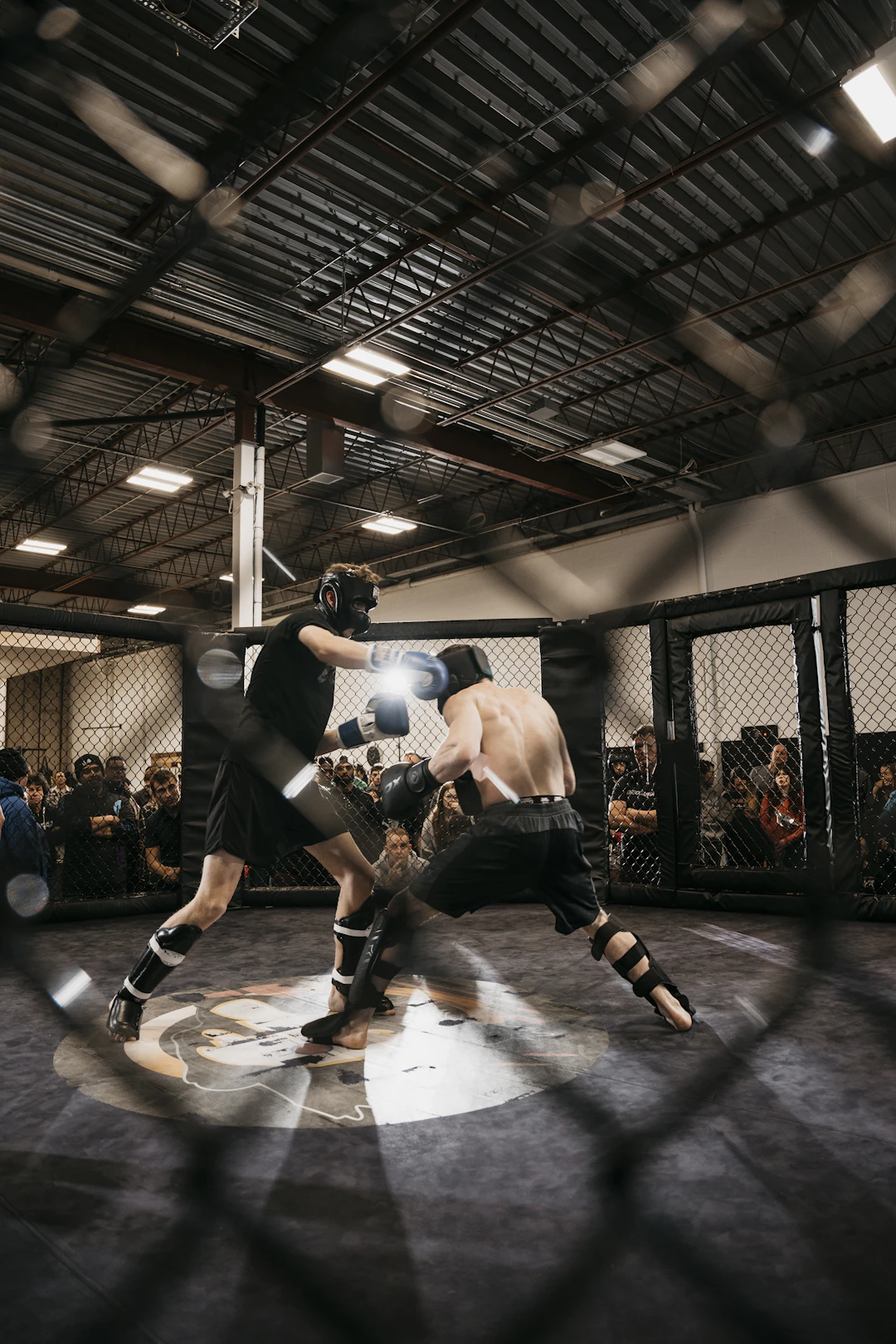
Explore the diverse world of combat sports, focusing on the differences between boxing, kickboxing, judo, and mixed martial arts (MMA). MMA combines techniques from various disciplines, offering a unique and dynamic competition. The article discusses training differences, fan engagement, current trends, and how to get started in MMA, emphasizing the excitement and cultural impact of these sports.
Contents
Understanding Combat Sports
The Rise of MMA
- MMA Events: A Unique Spectacle
- - The Rules of MMA
Boxing vs. MMA
- Training Differences
- - Fan Engagement
Comparing MMA to Other Combat Sports
- The Athleticism Factor
- Cultural Impact
- - Accessibility
Current Trends in MMA
Training to Become an MMA Fighter
Fan Culture and Engagement
- Fighter Loyalty
- - The Role of Promotions
Maintain Your Enthusiasm for Combat Sports
FAQs
- What are the main types of combat sports discussed in the blog?
- How does MMA differ from boxing?
- What are the key rules that define MMA?
- What is the significance of promoting fighter safety in MMA?
- How can one begin training to become an MMA fighter?
The world of combat sports is as diverse as it is thrilling. From the elegance of boxing to the dynamic nature of mixed martial arts (MMA), each discipline offers unique challenges and rewards. Understanding these differences not only enhances your appreciation of combat sports but also helps you find where your interests lie. In this article, we’ll dive into various combat sports and take a closer look at how MMA compares with others like boxing, kickboxing, and judo. Strap in as we explore the exhilarating realm of combat sports!
Understanding Combat Sports
Combat sports encompass a wide array of physical contests that involve single combat techniques. The primary character of these sports is the direct confrontation between competitors who use various methods to win. Below are some of the most popular combat sports worldwide.
Boxing: The classic combat sport that focuses on punches, footwork, and strategy.
Kickboxing: A sport that combines elements of boxing and karate, allowing punches and kicks.
Wrestling: A grappling-based sport that focuses on ground control and submission techniques.
Judo: This sport involves throwing and grappling techniques derived from Japanese martial arts.
Taekwondo: A Korean martial art characterized by its head-high kicks and quick footwork.
The Rise of MMA
Mixed Martial Arts has taken the world by storm, particularly thanks to the rise of the UFC (Ultimate Fighting Championship), the premier organization in MMA. MMA combines techniques and rules from various combat sports into a single, cohesive style. With strikes, grappling, submissions, and overall endurance, it brings fighters from different disciplines together, creating a diverse and intense competition.
MMA Events: A Unique Spectacle
When discussing MMA, one cannot overlook the massive scale of MMA events, especially those organized by the UFC. These events feature fighters who specialize in various forms of martial arts, showcasing a range of skills and styles. Fans eagerly anticipate major fights, eagerly following mma news for updates on their favorite fighters.
The Rules of MMA
Unlike boxing or kickboxing, MMA has distinct rules that contribute to its overall excitement. Here are some key rules that differentiate MMA from other combat sports:
Striking: Fighters can utilize punches, kicks, elbows, and knees.
Grappling: Wrestling techniques and submissions are encouraged, allowing ground fighting skills to shine.
Rounds: Most MMA fights consist of three to five rounds, depending on the event.
Weight Classes: Like boxing, MMA has multiple weight classes to ensure fair competition.
Boxing vs. MMA
When comparing boxing to MMA, the most glaring difference lies in technique and fight strategy. Boxing focuses purely on punches and head movement, leaving out the wrestling and kicking aspects inherent in MMA. As a result, a boxer may develop exceptionally precise striking but may struggle when faced with a mixed martial artist skilled in grappling.
Training Differences
The training regimen for boxers and MMA fighters varies significantly:
Boxers: Emphasize extensive sparring, footwork drills, and heavy bag work to perfect their striking.
MMA Fighters: Train in multiple martial arts disciplines to become well-rounded. They often incorporate Brazilian Jiu-Jitsu, wrestling, Muay Thai, and boxing into their training.
Fan Engagement
While boxing has a rich history and a dedicated fan base, the rapid rise of MMA has attracted a new generation of fans. The variety of fight styles in MMA keeps audiences engaged, and mma events often deliver unexpected and thrilling matchups. For fans seeking the latest in fighter news, the MMA community provides constant updates via various platforms, drawing in millions of viewers worldwide.
Comparing MMA to Other Combat Sports
While MMA dominates discussions due to its popularity, it's imperative to recognize how it compares to other combat sports beyond just boxing.
The Athleticism Factor
All combat sports require a high level of athleticism, but MMA forces fighters to be exceptionally versatile. An MMA fighter must master striking, grappling, and conditioning, creating a uniquely demanding athletic profile:
Agility: Necessary for quick footwork and dynamic movement in both stand-up and ground fighting.
Strength: Important for striking power as well as grappling and submissions.
Endurance: Vital for maintaining performance throughout multiple rounds of action.
Cultural Impact
MMA has made a significant cultural impact globally. Unlike traditional sports, where regulations and protocols can seem rigid, the dynamic nature of MMA allows it to continually evolve. The integration of various martial arts into a single arena creates a melting pot of cultural influences, showcasing fighting styles from around the globe.
Accessibility
Another factor to consider when exploring different combat sports is accessibility. While boxing facilities and classes are widespread, MMA gyms have blossomed over the years, catering to those who wish to learn comprehensive combat techniques in a single setting. Many gyms offer classes for all skill levels, providing opportunities for individuals interested in different disciplines.
Current Trends in MMA
As MMA continues to evolve, several trends emerge that reshape the landscape of the sport:
Women’s MMA: The rise of female fighters in organizations like the UFC has significantly broadened the fan base and increased visibility.
YouTube and Social Media: Modern fighters maximize social media platforms to share updates, fight training, and engage with fans, making mma news more accessible than ever.
Focus on Safety: The promotion of fighter safety and health has prompted changes in regulation, leading to increased support systems for fighters.
Training to Become an MMA Fighter
For individuals interested in pursuing a career in MMA, understanding the dedication required is crucial. Below are steps that aspiring fighters often take:
Find a Gym: Look for a local MMA gym that offers classes in the various disciplines you'll need to master.
Set Realistic Goals: Always start with small, achievable goals before moving up to larger aspirations.
Dedicate Yourself: Regimen and commitment to training, both in the gym and at home, can’t be understated.
Compete Regularly: Gain experience by participating in local competitions to refine your skills.
Fan Culture and Engagement
With rising excitement surrounding MMA, the fan culture is vibrant, passionate, and engaged. Fans often share fight predictions, analyze matchups, and discuss mma events on social media. Several websites and online forums exist solely for fans seeking the latest in MMA news and insights into their favorite fighters.
Fighter Loyalty
Another vital aspect of the fan culture in MMA is loyalty towards fighters. Fans often build connections with athletes through their personal stories, backgrounds, and journeys in the sport. Fighter news about personal lives and challenges facing them outside of the octagon often resonates with audiences, creating deeper connections and support networks.
The Role of Promotions
Promotions like the UFC play a substantial role in shaping fan engagement. They attract major sponsors and television deals, which helps disseminate mma news efficiently, keeping fans excited and connected. Recaps, match highlights, and fighter interviews keep fans informed and invested in the sport’s future.
Maintain Your Enthusiasm for Combat Sports
As we file this exploration of combat sports, it's important not to lose sight of the excitement and enthusiasm that fuels the community. Whether you’re a die-hard boxing fan or a newfound admirer of MMA, understanding the intricacies of each discipline only enhances the thrill of the fights. Each combat sport provides its own unique flavor, and the blending of styles creates a beautiful tapestry of athletic competition.
So, whether you're planning to hit the gym, watching the next UFC event, or following consistent fighter news, remember the humanity in combat sports—it's not just about the fights; it’s about the fighters, the fans, and the stories that bind us together through passion, struggle, and achievement. The journey in combat sports is as significant as the destination, so keep exploring, stay engaged, and let the excitement of MMA—and beyond—fuel your own fighting spirit!
FAQs
What are the main types of combat sports discussed in the blog?
The blog discusses various combat sports including boxing, kickboxing, wrestling, judo, taekwondo, and mixed martial arts (MMA).
How does MMA differ from boxing?
MMA differs from boxing primarily in technique and fight strategy, as boxing focuses solely on punches while MMA incorporates striking, grappling, and submissions.
What are the key rules that define MMA?
Key rules of MMA include allowing strikes from punches, kicks, elbows, and knees, incorporating grappling techniques, having multiple rounds, and using weight classes.
What is the significance of promoting fighter safety in MMA?
Promoting fighter safety in MMA has led to changes in regulations that enhance support systems for fighters, ensuring their health and well-being during competitions.
How can one begin training to become an MMA fighter?
To start training as an MMA fighter, one should find a local gym, set realistic goals, commit to a training regimen, and compete regularly to gain experience.