Overview
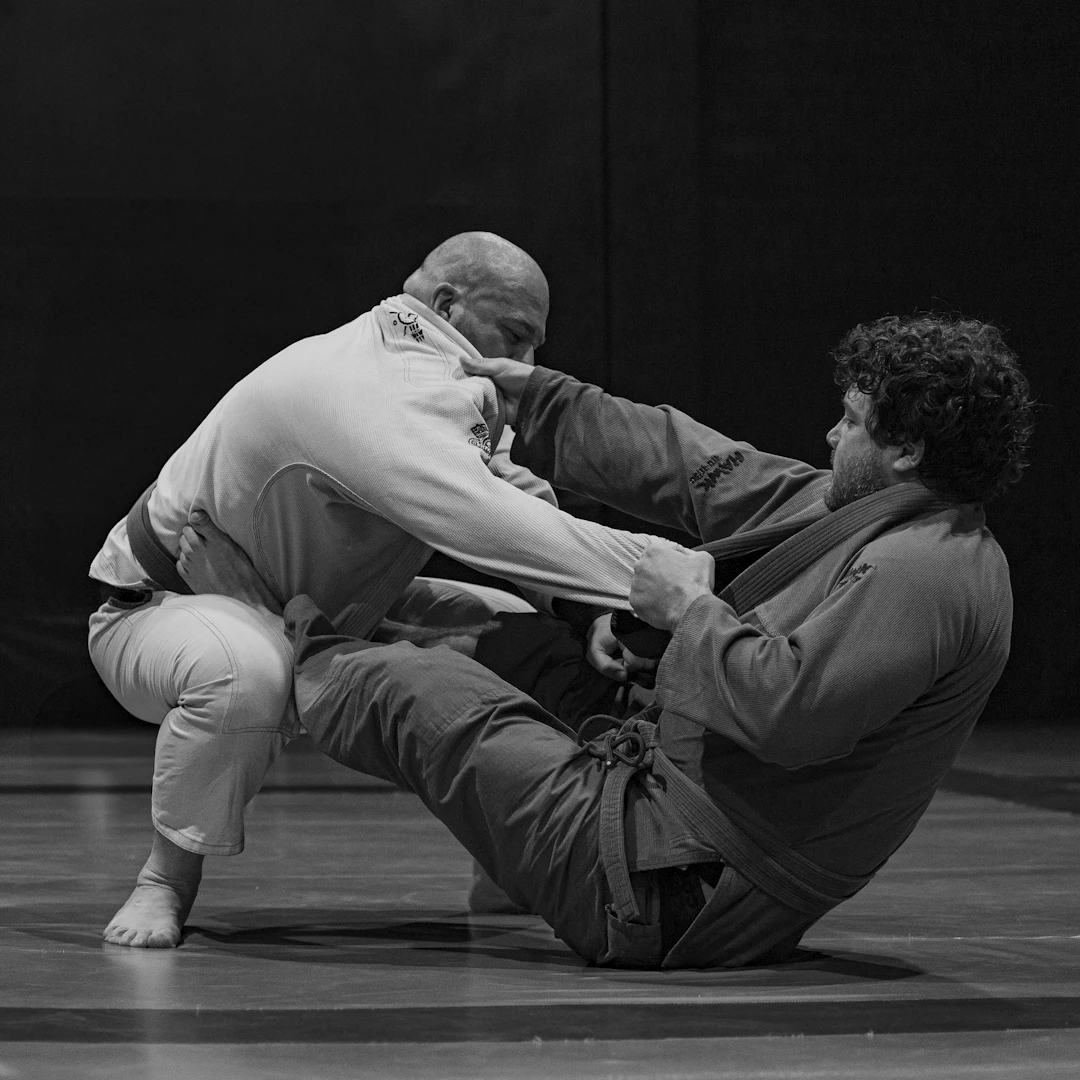
MMA and traditional martial arts differ significantly in their techniques, training methods, competition styles, cultural significance, and mental preparation. MMA combines various fighting styles for adaptability and entertainment, while traditional martial arts emphasize historical roots and discipline. Both paths offer unique benefits, and the future may see more integration between the two disciplines.
Contents
The Basics: What Constitutes MMA and Traditional Martial Arts?
Training Methods: Rigid vs. Adaptive
Competition: The Arena of MMA vs. Traditional Tournaments
Cultural Significance and Philosophy
Health Considerations: Safety and Well-being
The Fighter's Mindset: Preparation and Mental Health
The Future: Trends and Predictions
Five Key Takeaways: MMA vs. Traditional Martial Arts
Unleashing the Fighter Within: Finding Your Path in the Combat Sports World
Related Products
FAQs
- What is the main difference between MMA and traditional martial arts?
- How do the training methods differ between MMA and traditional martial arts?
- What are the competition formats for MMA and traditional martial arts?
- What cultural significance do traditional martial arts hold?
- What is the future trend for MMA and traditional martial arts?
Mixed Martial Arts (MMA) has rapidly gained popularity over the last few decades, largely thanks to organizations like the UFC (Ultimate Fighting Championship) that have brought the sport into the mainstream. While MMA offers a unique blend of techniques and styles, traditional martial arts such as Karate, Taekwondo, and Judo have deep historical roots and cultural significance. This article will explore the fundamental differences and similarities between MMA and traditional martial arts, providing a comprehensive analysis that enthusiasts, fighters, and casual fans can appreciate.
The Basics: What Constitutes MMA and Traditional Martial Arts?
MMA is a full-contact combat sport that allows a variety of fighting techniques and skills from a mixture of martial arts. It combines elements from wrestling, boxing, Brazilian Jiu-Jitsu, Muay Thai, and various other disciplines. The central attraction of MMA is its versatility, allowing fighters to adapt and utilize any technique that works effectively against their opponents.
On the other hand, traditional martial arts refer to a set of practices that have been passed down through generations. These arts are often steeped in philosophy and culture, with each distinct style representing a unique lineage and purpose. Popular traditional martial arts include:
Karate: Originating from Japan, Karate focuses on striking techniques like punches, kicks, and knee strikes.
Taekwondo: A Korean martial art known for its high, fast kicks and jumping techniques.
Judo: A Japanese martial art that emphasizes throws, pins, and submission techniques.
Aikido: Another Japanese martial art, Aikido focuses on joint locks and throws while promoting the philosophy of harmony.
Training Methods: Rigid vs. Adaptive
Training in traditional martial arts often follows a systematic approach, focusing on forms (katas), techniques, and basic movements. Students typically train over years, gradually honing their skills and earning belts as they progress. This traditional pathway builds discipline, respect, and consistency in practice.
In contrast, MMA training is generally seen as more dynamic and less structured. Fighters engage in a mixture of grappling, striking, and cage work, often blending techniques acquired through various martial arts backgrounds. This pragmatic approach allows fighters to adapt and experience live sparring, enabling immediate adjustments in their technique based on what works best in competition.
Competition: The Arena of MMA vs. Traditional Tournaments
When it comes to competition, the landscape for MMA and traditional martial arts is vastly different. MMA fights occur in a cage or octagonal ring, adhering to specific rules that aim to ensure the fighters' safety while allowing a wide variety of techniques. Events such as those organized by the UFC create a platform for fighters to showcase their skills on a global level, drawing millions of viewers and purses in the millions.
On the contrary, traditional martial arts competitions vary greatly and can be held in various formats including point fighting, full-contact, and demonstrations of forms. Tournaments often have weight classes and sometimes follow specific styles with predetermined rules that may inhibit the use of certain techniques typically allowed in MMA.
Cultural Significance and Philosophy
One of the greatest differences between MMA and traditional martial arts lies in their respective cultural significance. Traditional martial arts are often deeply rooted in history and philosophy. Their practices reflect not just physical combat but also mental discipline and ethical principles. Students of these arts are often taught values like respect, humility, and perseverance, alongside their technical training.
MMA, while it does incorporate aspects of sportsmanship and respect, tends to focus more on performance and entertainment. The culture surrounding MMA is heavily influenced by the commercialization of the sport, media coverage, and the thrilling aspect of competition. MMA news and events often emphasize the fighters' personalities, rivalries, and dramatic match-ups, making it a spectacle as much as it is a sport.
Health Considerations: Safety and Well-being
The question of safety in combat sports is increasingly relevant, particularly as injuries in MMA continue to be a topic of discussion. Fighters must be aware of the potential for serious injuries, and health management is crucial in this sport. For a more in-depth look at the physical risks associated with MMA, you can check out A Look At MMA Injuries And Fighter Health.
Traditional martial arts, while also having their risks, tend to employ a greater emphasis on control during training due to their focus on technique and discipline. This controlled sparring environment can reduce the likelihood of serious injuries compared to the intense competitive nature of MMA bouts.
The Fighter's Mindset: Preparation and Mental Health
A fighter's mindset is crucial for success in both MMA and traditional martial arts. In MMA, the ability to adapt quickly, anticipate an opponent's moves, and strategize in real-time is vital. The psychology behind MMA training involves not only physical conditioning but mental preparation. For a deeper look into the psychological aspects of being a fighter, you can explore The Psychology Of An MMA Fighter Mindset And Preparation.
Traditional martial artists also develop strong mental attributes through their rigorous training and discipline. The meditative components often found in arts like Aikido or Taekwondo can promote mental well-being and focus. Addressing the mental health aspects of being a fighter is crucial in both domains. Organizations are increasingly recognizing these needs, and MMA is taking steps in this direction through resources and support systems for its fighters.
The Future: Trends and Predictions
As MMA continues to rise in popularity, it faces its share of challenges and opportunities. Increased scrutiny over athlete safety mandates adjustments in how the sport is regulated. Understanding the evolution of MMA from its underground roots to a globally recognized sport is important for fans. You can read more about this evolution in The Evolution Of MMA From Martial Arts To Mainstream Sport.
On the other hand, traditional martial arts are also adapting, incorporating elements from MMA to remain relevant. Schools are beginning to teach hybrid techniques, bridging the gap between tradition and modern sports. The future may see more collaboration, where practitioners of various disciplines share knowledge and techniques in a more integrated way.
Five Key Takeaways: MMA vs. Traditional Martial Arts
Techniques and Adaptation: MMA utilizes a fusion of various martial arts techniques, allowing for greater adaptation in combat situations.
Cultural Roots: Traditional martial arts offer rich cultural significance and ethical underpinning, teaching respect and discipline.
Competition Styles: MMA competitions are typically less structured but hold a wider variety of permissible techniques.
Mental Preparation: Both MMA and traditional martial arts require strong mental frameworks, each focusing on different aspects of fighter well-being.
Future Integrations: The lines between MMA and traditional martial arts may continue to blur, creating hybrid approaches to training and competition.
Unleashing the Fighter Within: Finding Your Path in the Combat Sports World
Whether you’re drawn to the practicality of MMA or the rich tradition of classic martial arts, both paths offer unique benefits and challenges. If you're someone who revels in the intensity of the octagon, consider incorporating elements of traditional martial arts to enhance your training. On the contrary, if you appreciate the discipline cultivated through traditional forms, expanding your skill set with MMA techniques could add a new layer of effectiveness in self-defense and competition.
This journey doesn’t have to be linear; many athletes train in both arenas, discovering the personal benefits they each provide. As this landscape continues to evolve with dynamic events like those in the UFC, and as we see emerging fighter news and trends, staying informed will allow you to make the most out of your experience. Additionally, if you're a dedicated fan looking to showcase your passion, pieces like the Fighter Silhouette Metal Art or the Champion Belt Replica can make great additions to your training space.
In the ever-changing world of martial arts and combat sports, the choice of what path to follow is ultimately yours. Embrace your journey and keep pushing the boundaries of what you can achieve.
Explore these products to enhance your MMA experience. Fighter Silhouette Metal Art and Octagon Arena Print.
Related Products
Fighter Silhouette Metal Art - £110.00 - A laser-cut metal wall art piece featuring the silhouette of a fighter in a dynamic pose, finished with a matte black powder coating for a sleek, mod...
Octagon Arena Print - £90.00 - A high-quality art print on durable canvas depicting an empty MMA octagon under dramatic spotlighting, evoking the intensity and anticipation of a fi...
Champion Belt Replica - £150.00 - A decorative replica championship belt crafted from faux leather and polished metal plates, featuring intricate embossing and adjustable side straps...
FAQs
What is the main difference between MMA and traditional martial arts?
MMA is a full-contact combat sport that blends various martial arts techniques, while traditional martial arts are practiced forms with deep historical and cultural roots.
How do the training methods differ between MMA and traditional martial arts?
Training in traditional martial arts is systematic and focuses on techniques and forms over years, while MMA training is more dynamic and less structured, incorporating live sparring and various styles.
What are the competition formats for MMA and traditional martial arts?
MMA competitions occur in a cage or ring with specific rules, whereas traditional martial arts competitions can vary greatly in format, including point fighting and demonstrations, with some rules restricting certain techniques.
What cultural significance do traditional martial arts hold?
Traditional martial arts are deeply rooted in history and philosophy, teaching values like respect, humility, and discipline, while MMA tends to be more focused on performance and entertainment.
What is the future trend for MMA and traditional martial arts?
The future may see more integration between MMA and traditional martial arts, with schools teaching hybrid techniques to bridge the gap between tradition and modern sports.