Overview
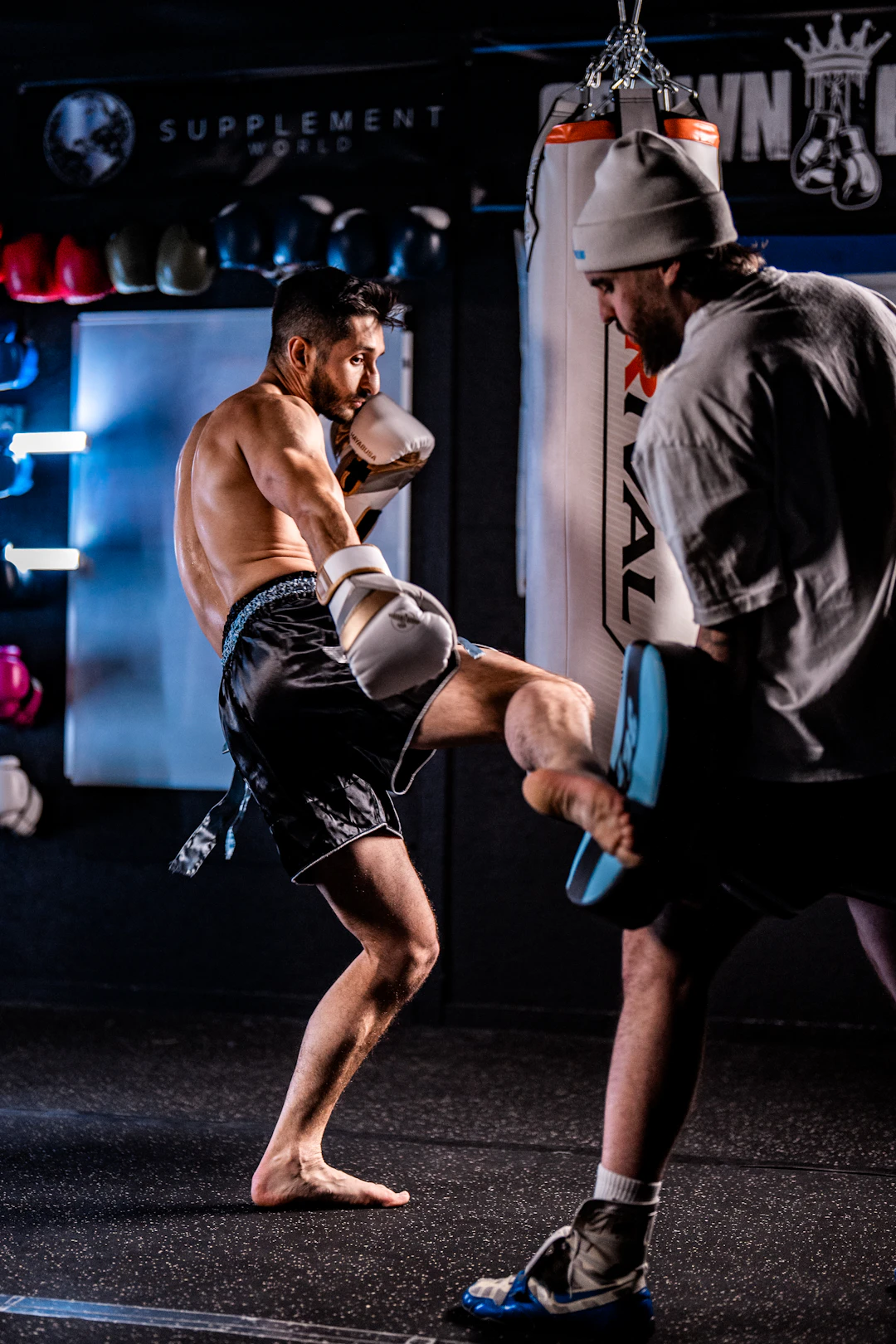
MMA coaching is crucial for athletes' success, providing technical training, mental preparation, and personal development. The coach-fighter relationship is built on trust and communication, with coaches shaping fighters' skills, strategies, and resilience. Choosing the right coach impacts a fighter's career significantly, and the role has evolved to include modern techniques and technology. Coaches are essential not just in training but also in post-fight recovery and emotional support, making them vital to an MMA fighter's journey.
Contents
Understanding the Coach-Fighter Dynamic
- Technical Skill Development
- Psychological Preparation
The Evolution of Coaching in MMA
- Building a Competitive Edge
Choosing the Right Coach
- Coaching Beyond the Gym
Emerging Trends in MMA Coaching
- The Role of Cornermen
Success Stories in MMA Coaching
Gear That Supports Coaching and Training
The Lasting Impact of Coaches
Related Products
FAQs
- What is the role of coaches in an MMA fighter's journey?
- Why is the coach-fighter dynamic important?
- How do coaches prepare fighters mentally for competition?
- What factors should a fighter consider when choosing a coach?
- What are some emerging trends in MMA coaching?
Mixed Martial Arts (MMA) is a sport that combines various fighting styles and disciplines, placing immense physical and mental demands on its athletes. As the sport continues to grow in popularity, fueled by thrilling events and the powerful allure of the UFC, the role of a coach in an MMA fighter's journey has become more critical than ever. Coaches not only provide technical training and tactical expertise but also shape the psychological resilience and professional development essential for success in this competitive environment.
Understanding the Coach-Fighter Dynamic
The relationship between a coach and a fighter is multifaceted, built on trust, communication, and synergy. A coach acts as a mentor, guiding athletes through various stages of their careers. Whether they're preparing for a local fight, competing in international competitions, or aiming for a shot at the UFC title, the importance of a coach cannot be overstated.
Coaches bring experience, knowledge, and a fresh perspective to training regimens. They analyze fighters' performances, identify strengths and weaknesses, and develop tailored game plans. This collaborative effort accounts for a large percentage of a fighter’s success or failure inside the octagon. Here’s how coaches play a pivotal role in shaping the lives of MMA athletes:
Technical Skill Development
Striking and Grappling Techniques: Coaches teach essential techniques for striking, whether it be striking stand-up styles, wrestling, or grappling. Each discipline requires mastery, and a fighter’s success often hinges on their ability to blend these styles effectively.
Fight Strategy: Developing a fight strategy that plays to an athlete's strengths while exploiting the weaknesses of opponents sets the stage for victory. Coaches craft specific game plans based on thorough analysis of opponents’ past performances and styles.
Conditioning and Preparation: Physical conditioning is vital in MMA, and coaches design programs that enhance an athlete’s endurance, strength, and flexibility, ensuring they are in peak form just before a fight.
Psychological Preparation
The mental aspect of fighting is just as important as physical readiness. Coaches help fighters cultivate a resilient mindset. This involves managing the psychological challenges associated with competition, such as anxiety and fear of failure. Through sports psychology techniques, coaches can instill confidence and a positive attitude in their fighters.
Furthermore, coaches often serve as emotional support systems, offering motivation and encouragement. After reading MMA news about fellow fighters overcoming adversity, a fighter may feel inspired, which can be facilitated through supportive coaching approaches. Sharing stories of famous MMA comebacks can reinforce a fighter’s belief in their own capabilities.
The Evolution of Coaching in MMA
As with any aspect of sporting culture, coaching in MMA has evolved significantly over the years. Coaches now require a diverse skill set, blending technical knowledge with skills in nutrition, injury management, and even public relations. The increased visibility of MMA has also led to the professionalization of coaching roles, thus emphasizing their importance.
Coaches now regularly participate in continuing education and training clinics. The evolution is particularly notable since legendary MMA events like UFC 100 that showcased intricacies in coaching styles, leading to greater understanding and appreciation of effective training methods.
Building a Competitive Edge
Coaches also assist MMA fighters in maintaining a competitive edge, fostering connections with other fighters and trainers. Networking within the MMA community can provide valuable insights and opportunities. A well-connected coach can open doors for their fighters, facilitating introductions to industry insiders or inviting them to participate in prestigious training camps.
Choosing the Right Coach
For an MMA fighter, selecting the right coach is a crucial decision that can significantly impact their career. Fighters need to consider various factors, including a coach’s credentials, experience, coaching style, and philosophy.
Experience Level: Look for coaches with a proven track record of training successful fighters. Experience in the specific disciplines relevant to the fighter's style is also an advantage.
Communication Style: An effective coach must be able to communicate strategies and feedback clearly. Fighters should feel comfortable discussing training goals and addressing any concerns.
Philosophy: Coaches often have preferred training methods and philosophies. Ensuring alignment between a coach’s philosophy and the fighter’s goals is essential for successful collaboration.
Coaching Beyond the Gym
The role of a coach extends far beyond the training facilities. They often have to navigate post-fight scenarios, working with fighters after losses or injuries. Coaches help them reevaluate their performance and set new goals. Utilizing tools like a successful recovery plan can empower fighters to bounce back stronger than before.
Emerging Trends in MMA Coaching
The landscape of MMA and its coaching methodologies have been influenced by technological advances. Today's coaches use performance analytics and data-driven approaches to enhance training. Tools such as video analysis of fight performances provide significant insights, allowing both the fighter and coach to refine strategies and techniques.
Additionally, recovery technology is making its way into everyday training routines. Coaches are incorporating innovative recovery methods like cryotherapy, hydrotherapy, and advanced nutrition programs to maximize athletes' performance, helping to prevent injuries and maintain peak physical condition.
The Role of Cornermen
The corner during an MMA fight is just as defining as a coach. Cornermen support the fighter throughout the bout, providing real-time feedback, encouragement, and strategy adjustments based on the fight's progression. This moment-to-moment tactical support can switch a fighter’s mental state, emphasizing the critical role that coaches and cornermen play in any fight scenario.
Success Stories in MMA Coaching
Numerous stories within MMA highlight the essential contributions of coaches. From rising stars in the UFC to established champions, many have credited their coaches for their development and success. When we look at fighter news, we frequently see fighters publicly recognize the pivotal role their coaching staff has had in their careers.
The journey from being an amateur to a professional is particularly enlightening. Reading about how coaches have guided individuals through transformation provides an inspiring narrative to aspiring fighters. For a deeper dive into that journey, check out The Journey Of An Amateur To Professional Mma Fighter, detailing vital coaching roles along the way.
Gear That Supports Coaching and Training
As fighters gear up for training, it's essential to have the right equipment that complements their skill-building process. Key items such as the Sparring Training Gloves are critical for providing proper protection and performance during practice bouts. Additionally, maintaining comfort with attire like the Victory Pullover Hoodie is essential for long training sessions. These products not only enhance the fighter's experience but also exemplify the importance of quality gear in optimizing training sessions.
The Lasting Impact of Coaches
Ultimately, coaches in the MMA realm are not just trainers; they are life shapers who contribute significantly to their fighters' journeys, both inside and outside the octagon. Understanding that every championship title won, every challenging bout fought, and every moment of personal growth is often backed by a dedicated coaching staff reminds us that these individuals deserve recognition and respect.
The profound influence of a coach can propel an athlete from obscurity to notoriety, proving that behind every successful MMA fighter is a coach who believed in their potential and guided them faithfully through every peak and valley of their career. As MMA continues to evolve, the role of coaching remains foundational—not just to the sport but also in developing the stars of tomorrow.
Explore these products to enhance your MMA journey. Victory Pullover Hoodie and Sparring Training Gloves.
Related Products
Victory Pullover Hoodie - £75.00 - A soft, mid-weight fleece hoodie designed for warmth and comfort, featuring a minimalist embroidered logo on the chest and a subtle graphic print on...
Sparring Training Gloves - £60.00 - Durable synthetic leather training gloves with reinforced stitching and a padded knuckle area, designed for sparring and heavy bag work. Features a s...
Performance Mouthguard - £20.00 - A high-impact, boil-and-bite mouthguard offering superior protection and a comfortable, secure fit for intense training sessions. Its streamlined des...
FAQs
What is the role of coaches in an MMA fighter's journey?
Coaches provide technical training, tactical expertise, and psychological support, playing a crucial role in the fighter's success and professional development.
Why is the coach-fighter dynamic important?
The relationship built on trust, communication, and synergy is essential for guiding fighters through their careers and optimizing their performance.
How do coaches prepare fighters mentally for competition?
Coaches help fighters cultivate a resilient mindset, manage anxiety, and instill confidence through various psychological techniques and emotional support.
What factors should a fighter consider when choosing a coach?
Fighters should consider a coach's experience, communication style, and training philosophy to ensure alignment with their goals.
What are some emerging trends in MMA coaching?
Emerging trends include the use of performance analytics, recovery technology, and innovative training methods to enhance athletes' performance and prevent injuries.