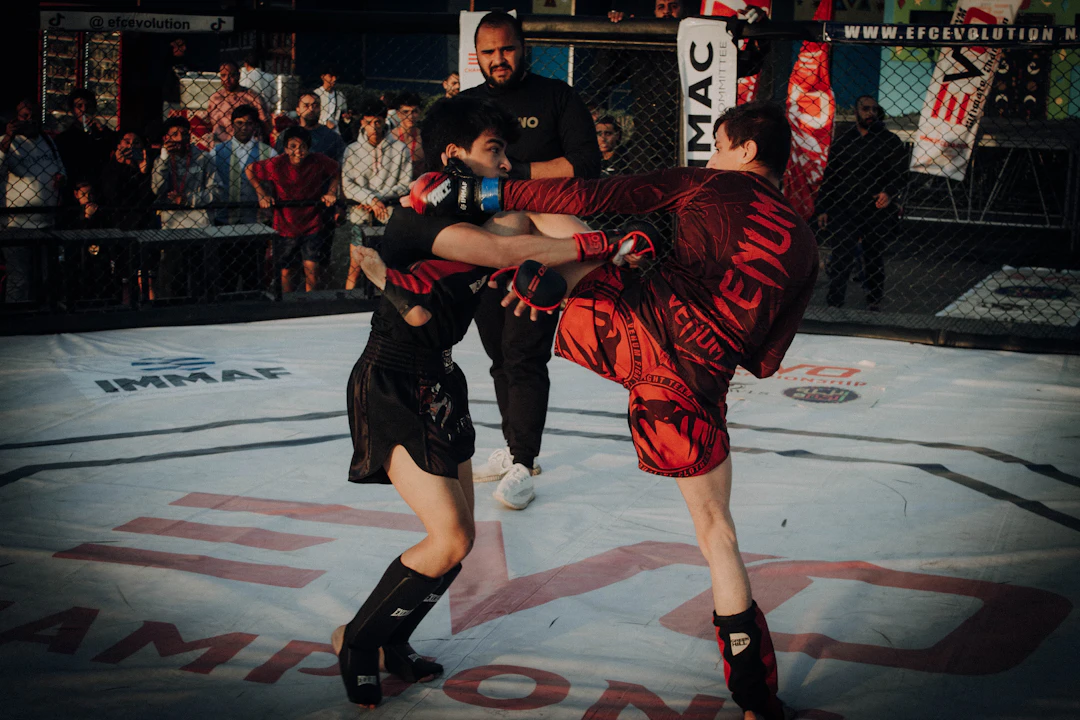
Overview
MMA fighters have gained immense popularity as both icons and role models, shaping public perception through their achievements, resilience, and personal stories. While many strive to inspire fans with their journeys, controversies can complicate their status as role models. The blog explores the dual role of fighters, highlighting their impact on culture, responsibility to young fans, and the importance of community engagement. The balance between being an icon and a role model is crucial, as fighters navigate their responsibilities both inside and outside the octagon.
Contents
The Rise of MMA Fighters in Popular Culture
The Role of MMA Fighters as Role Models
- Stories of Resilience
The Fine Line Between Icon and Role Model
- Shaping Young Minds
Noteworthy MMA Events and Their Impact on Fighter Legacy
- Fighters Giving Back
Understanding The Fighter Dynamic
Finding Balance: Icons and Role Models
- The Fighter Lifestyle: What to Expect
Proudly Representing MMA Culture
Related Products
FAQs
- What is the main focus of the blog on MMA Fighters?
- How have MMA fighters influenced popular culture?
- What qualities distinguish an icon from a role model in MMA?
- How do controversies impact an MMA fighter’s status as a role model?
- What responsibilities do MMA fighters have towards their fans and communities?
Mixed Martial Arts (MMA) has exploded in popularity over the past couple of decades. The UFC (Ultimate Fighting Championship) has transformed the way we view combat sports. With this growth comes a broader discussion about the figures who lead the sport: the fighters. Are they icons of strength and determination, or role models we should aspire to emulate? In this blog post, we delve into the many dimensions of MMA fighters as both icons and role models, exploring what sets them apart and how they impact fans and the sport itself.
The Rise of MMA Fighters in Popular Culture
Since its inception, MMA has captivated the public's imagination. The UFC has produced some of the most recognizable athletes today, whether it's Conor McGregor, Ronda Rousey, or Khabib Nurmagomedov. These fighters have transcended the sport, becoming icons not just in the realm of combat but also in fashion, social media, and beyond.
What does it mean to be an icon? In the realm of sports, icons are typically celebrated for their achievements and the way they carry themselves inside and outside the octagon. They influence culture and have achieved a level of notoriety that goes beyond their actual sport. Fighters like McGregor, with his charismatic persona and trash-talking ability, have redefined how fighters can market themselves and their journeys to success.
The Role of MMA Fighters as Role Models
While many MMA fighters become icons, the question remains: Are they good role models? A role model is someone admired for their qualities or achievements and is often someone you would want others to aspire to be. Many fighters come from challenging backgrounds, demonstrating resilience and work ethic that can inspire fans globally. Their stories often revolve around discipline, training, and perseverance—values that can benefit anyone, not just aspiring fighters.
Stories of Resilience
Throughout its history, MMA has provided a platform for fighters to tell stories of resilience. Many come from humble beginnings, overcoming hardship and adversity to achieve greatness. Such narratives resonate deeply with fans, who see these fighters not just as athletes but as symbols of determination and strength.
Take the story of Ronda Rousey, for example. Her journey from judo champion to UFC superstar showcases immense mental and physical resilience, breaking barriers for women in martial arts. She became not just a champion in the octagon but also a beacon of empowerment for young women across the world.
The Fine Line Between Icon and Role Model
Though many MMA fighters strive to be role models, their actions may not always uphold the standards we expect. Some have faced controversies that cast a shadow over their status as role models. From substance abuse issues to legal troubles, the very nature of competitive fighting only adds pressure to maintain a clean image. The duality of being an icon and a role model creates a fine line that is often walked clumsily.
Shaping Young Minds
Young fans look up to their favorite athletes, often emulating their mannerisms and behaviors. This places a significant responsibility on fighters to act as role models within their communities. Fighters like Daniel Cormier, who balance their competitive nature with philanthropic efforts, illustrate a healthier model for fans to follow.
In fact, many fighters recognize this responsibility and actively engage in charitable work. For example, many contribute to causes that resonate with their backgrounds, showing how greatness can extend beyond the octagon.
Noteworthy MMA Events and Their Impact on Fighter Legacy
Major MMA events often serve as a platform for iconic fights that can either build legacies or create controversies that impact a fighter's role model status. For instance, events like UFC 100, which celebrated the sport's growth, helped define numerous fighters' paths to stardom and legacy.
Yet, the adrenaline of these competitions can lead to unsportsmanlike conduct, leaving fans divided about their favorite fighters. A thrilling fight can lead to unexpected rivalries that change public perceptions, proving that the view of an athlete can vary dramatically based on their actions in and out of the octagon.
Fighters Giving Back
A significant positive aspect of being a fighter is the opportunity many have to give back to their communities. Initiatives like fitness programs for underprivileged youth and donations to local charities allow fighters to transition from icons of combat into role models of integrity and social responsibility. For a glimpse into these efforts, check out our blog on MMA and Charity: Fighters Giving Back to the Community.
Understanding The Fighter Dynamic
The dynamic of being an MMA fighter is complex, combining the adrenaline rush of competition with the heavy responsibility of public perception. With every fight, MMA fans are treated to not only a showcase of athleticism but also personal stories emerging in the spotlight.
For example, the role of coaches is critical in shaping fighters into the icons they become. Understanding these dynamics and the essential ingredients that make a great fighter can shed light on the larger picture of their legacy.
The relationship between fighters and their coaches can significantly impact performance and personal growth. The invaluable mentorship provided is often behind the scenes, guiding fighters to make choices that aid in their quest for greatness. To learn more about how coaches shape MMA athletes, read about The Indispensable Role of Coaches in An MMA Fighter's Journey.
Finding Balance: Icons and Role Models
The question remains, can an athlete be both an icon and a role model? The answer hinges on actions taken outside the octagon. As fighters continue to deliver thrilling performances and captivating narratives, they have an opportunity to solidify their positions not just as icons but also as role models.
While iconic moments leave lasting impressions, the responsibility of maintaining a respectable role model status lies within the fighters themselves. Their willingness to showcase discipline, integrity, and an unwavering commitment to bettering themselves and their communities can elevate them to a status worth emulating.
The Fighter Lifestyle: What to Expect
The life of an MMA fighter is far from glamorous; it consists of rigorous training, dieting, and a constant push to improve. Are you curious about what goes on behind the scenes? Explore the behind-the-scenes stories of fighters to understand the dedication required to succeed in this arena. Discover more about what a day in the life of an MMA fighter looks like, from extreme training regimens to discipline in nutrition, by clicking A Day In The Life Of An MMA Fighter.
Proudly Representing MMA Culture
MMA fighters exist at the crossroads of being icons and role models, and their impact goes beyond the octagon into the fabric of society. As fans cheer for their favorite fighters, they also absorb the lessons these athletes exhibit through their actions, whether inspiring or cautionary.
As a tribute to this unique blend of iconism and role modeling, many fans want to commemorate their journey. Displaying pieces like the Octagon Arena Print or the Fighter Silhouette Metal Art keeps the spirit of the sport alive in homes, serving as constant reminders of the qualities admired in both icons and role models.
Ultimately, whether you view MMA fighters as icons or role models may depend on your personal experiences with the sport. As fans engage with the narratives unfolding in the arena, they celebrate more than just combat; they commemorate human stories filled with struggle, triumph, and the pursuit of greatness. This narrative only amplifies as the sport continues to evolve, promising a future rich with potential for new legends to rise, inspiring generations to follow their path.
Check out these products to enhance your MMA experience. Fighter Silhouette Metal Art and Octagon Arena Print.
Related Products
Fighter Silhouette Metal Art - £110.00 - A laser-cut metal wall art piece featuring the silhouette of a fighter in a dynamic pose, finished with a matte black powder coating for a sleek, mod...
Octagon Arena Print - £90.00 - A high-quality art print on durable canvas depicting an empty MMA octagon under dramatic spotlighting, evoking the intensity and anticipation of a fi...
Champion Belt Replica - £150.00 - A decorative replica championship belt crafted from faux leather and polished metal plates, featuring intricate embossing and adjustable side straps...
FAQs
What is the main focus of the blog on MMA Fighters?
The blog discusses the dual roles of MMA fighters as icons of strength and determination and as potential role models for fans.
How have MMA fighters influenced popular culture?
MMA fighters, particularly through the UFC, have become recognizable figures in fashion, social media, and entertainment, reshaping the public's perception of combat sports.
What qualities distinguish an icon from a role model in MMA?
An icon is celebrated for achievements and influence, while a role model is admired for qualities or achievements one aspires to emulate, often reflecting values like resilience and hard work.
How do controversies impact an MMA fighter’s status as a role model?
Controversies, such as legal troubles or substance abuse, can overshadow a fighter's potential role model status, complicating their public perception as both icons and examples to aspire to.
What responsibilities do MMA fighters have towards their fans and communities?
MMA fighters have the responsibility to act as role models within their communities, engaging in charitable efforts and demonstrating qualities like discipline and integrity.